




Project Cargo Freight Forwarding: Key Insights for 2026
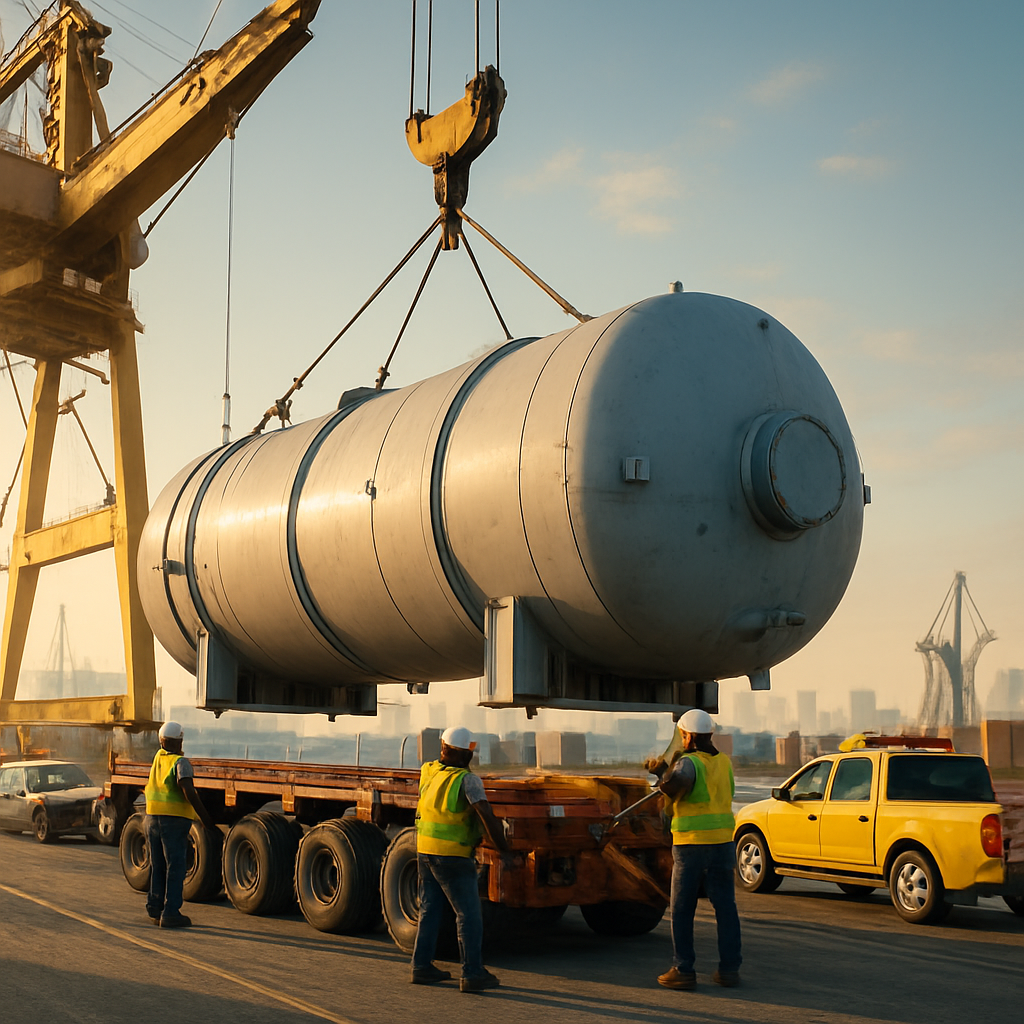
Project cargo freight forwarding is moving into a more volatile phase as 2026 approaches, especially for large industrial projects across the United States. As components get larger and timelines tighter, treating heavy-lift movements like standard freight is becoming a costly mistake. Many project owners underestimate the distinct risks in project cargo freight forwarding, assuming traditional carriers and templates will cope with outsized equipment, constrained windows, and stricter environmental expectations.
- Unverified routes that cannot physically accommodate abnormal loads
- Ports and terminals without the crane capacity or laydown space actually required
- Inadequate lifting and securing plans for high-value, fragile assets
- Overdependence on a single carrier or mode during peak congestion
- Minimal contingency planning for weather, labour disruption, or regulatory delays
Why project cargo freight forwarding risks are rising
Across US energy, mining, and infrastructure, larger and heavier components are moving through already congested networks. According to the International Transport Forum, global freight demand could grow by more than 40% by 2050, intensifying competition for suitable routes and equipment. When project cargo freight forwarding relies on generic quotes, late-stage engineering data, or fragmented supply chain management, small oversights can cascade into multi-million-dollar claims and schedule slippage.
Hidden weak points in project cargo planning
Many vulnerabilities are baked into the plan long before the first truck rolls. Common gaps include incomplete route surveys, optimistic assumptions about bridge and road tolerances, and lashing plans based on outdated drawings. In complex Project Logistics in US, these shortcuts often emerge only when cranes, vessels, and installation crews are on standby. At that point, rework, storage, and re-routing costs spike while project buffers vanish.
Early warning signs your project cargo plan is exposed
Red flags usually appear months ahead of execution. Warning signs include missing integrated project timelines, vague or shifting cargo dimensions, and siloed engineering, procurement, and logistics teams. Insurance underwriters repeatedly seeking clarification on transport methodology are another indicator that risk is not fully understood. Frequent last-minute discussions about packaging changes or “making it fit” into standard transportation solutions suggest that critical constraints were not considered early enough.
Why 2026 will make mistakes harder to absorb
By 2026, tightening emissions rules, more ambitious renewable projects, and tougher lender scrutiny will raise expectations for transparent, integrated project supply chains. Heavy project freight management will need to demonstrate credible decarbonisation pathways and resilience to disruption, not just lowest cost. Oversized cargo handling services that ignore port congestion, labour volatility, or changing safety standards risk not only delays but also reputational damage and funding challenges with risk-averse financiers.
To avoid these pitfalls, project owners increasingly need specialized project freight solutions, industrial logistics transportation expertise, and project cargo forwarding experts who can stress-test routes, vet terminals, and orchestrate end-to-end logistics coordination. Well-governed complex project shipping strategies can also reduce the likelihood of logistics-related construction claims, which Marsh has identified as a major driver of project losses. For a broader context on shifting global freight patterns and sustainability pressures, the OECD’s International Transport Forum provides regularly updated analysis at https://www.itf-oecd.org. Before your next capital project advances, review your freight forwarding services plan against these warning signs and speak with an expert to identify risks while there is still time—and budget—to correct course.

Related posts
The 90-Day Scramble to Move Goods Out of China
American and Chinese firms are racing to clear a backlog of orders during a paus
Risk Management in Project Logistics: Strategies for Uncertain Environments
Project Logistics involves the movement of oversized cargo, often challenging du
US Crackdown on Chinese E-Commerce Impacts Customs Brokers
A crackdown by the US Customs & Border Protection (CBP) agency and a large s
