




Interstate Coastal Freight: Efficient Solutions for Heavy Cargo
Interstate Coastal Freight: Efficient Solutions for Heavy Cargo
As long-haul trucking strains under congestion, regulation, and labour constraints, the most resilient supply chains will be the ones that rediscover the strategic value of America’s coasts.
Interstate coastal freight is rapidly moving from a specialist tactic to a core pillar of heavy cargo strategy in the United States. With trucking networks struggling on corridors such as I-95 and I-5, shippers are reassessing how they design interstate heavy cargo transport over the next decade. Progressive logistics leaders now see coastal freight solutions as a way to add capacity, reduce risk, and align with tightening sustainability expectations.
Why Interstate Coastal Freight Matters for Heavy Cargo
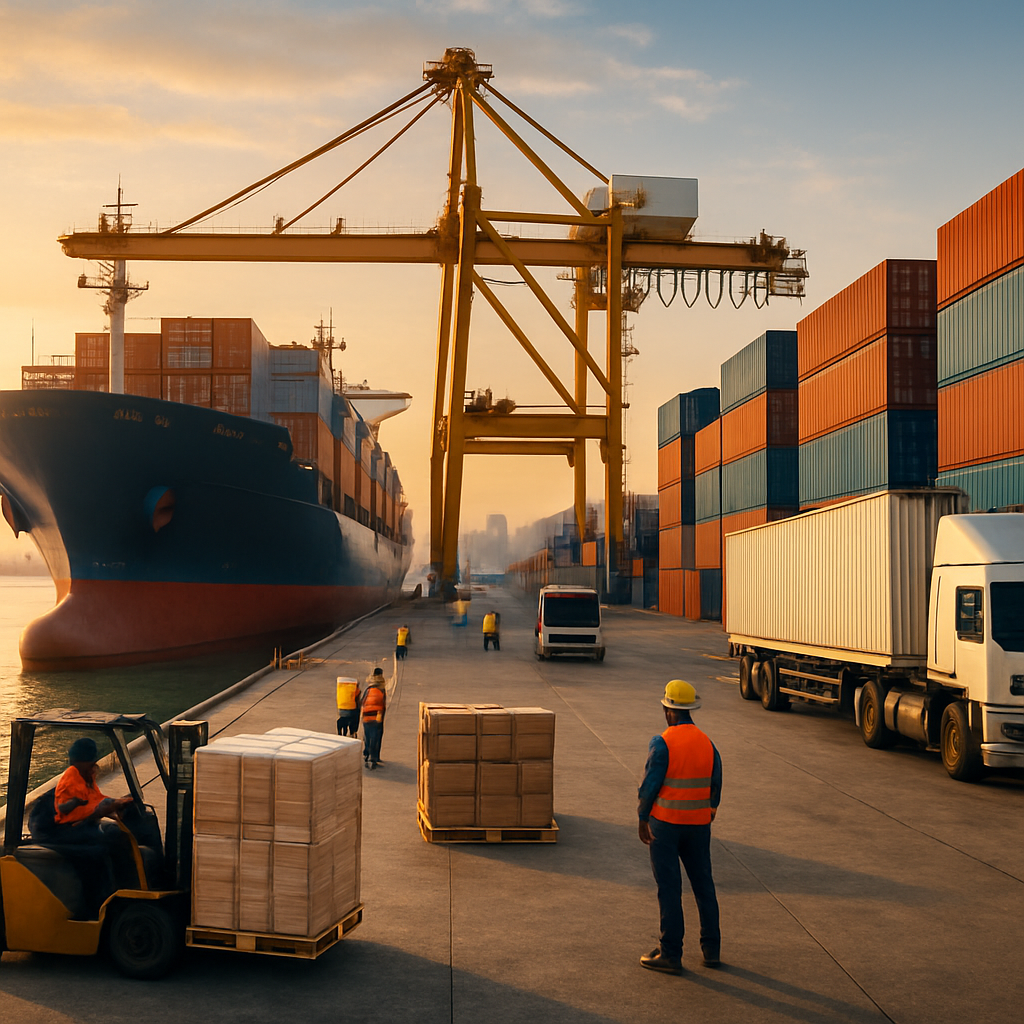
For outsized, dense, or hazardous cargo, interstate coastal freight services often remove complexity rather than add it. Vessels can handle high weights and non-standard dimensions that would require escorts, detailed routing, and time-consuming permitting on highways. By shifting suitable lanes into coastal shipping freight options, shippers can relieve pressure on driver capacity while improving schedule reliability on their remaining truck legs.
Technology, Sustainability, and Cost Advantage
The new wave of Domestic & Coastal in US networks is being defined by digital visibility and decarbonisation pressures. Integrated platforms, IoT sensors, and predictive ETAs turn marine legs into transparent, data-rich components of multimodal plans. At the same time, investment in cleaner fuels and more efficient hull designs is making cost-effective coastal freight structurally more attractive versus road-only models exposed to volatile fuel prices and wage inflation.
Industry data from the U.S. Maritime Administration highlights how bulk interstate sea freight can remove thousands of trucks from major corridors, improving safety and reliability as well as emissions profiles. Thoughtful use of coastal interstate delivery routes also supports tighter inventory strategies by smoothing flows into key consumption markets. When paired with strong local delivery options and port-to-door interstate shipping design, marine corridors become a competitive asset rather than a backup plan.
Strategically, the question for shippers is no longer whether to use interstate shipping services, but where a blended marine–road model can outperform traditional patterns. Logistics teams should map recurring heavy lanes along the Eastern, Gulf, and Pacific coasts, testing different domestic coastal cargo solutions and service frequencies. Publicly available resources such as the U.S. Maritime Administration’s Marine Highway Program at https://www.maritime.dot.gov/grants/marine-highways/marine-highway help contextualise infrastructure, funding, and corridor potential as you evaluate coastal shipping freight options and future investments.
Leaders who move early will shape service design, securing capacity and influence over emerging port capabilities and interstate coastal freight services. Now is the time to review your lane design, quantify the financial and resilience upside of coastal freight, and engage a multimodal expert to model tailored coastal freight solutions for your heaviest, most strategic cargo flows.

Related posts

The Vertom Patty: Hybrid-Electric Shortsea Vessel
There’s a new Hybrid-Electric Shortsea vessel on the market and her name is Ve
Repacking or Consolidating: Procedures
Repacking and consolidating transshipped containerised sea cargo into a new cont
Carbon Capture Startup Supported By Industry Leaders
As decarbonising becomes an ever increasing hot topic within the global shipping
