




Port-to-Port Coastal Shipping: Key Benefits for US Businesses
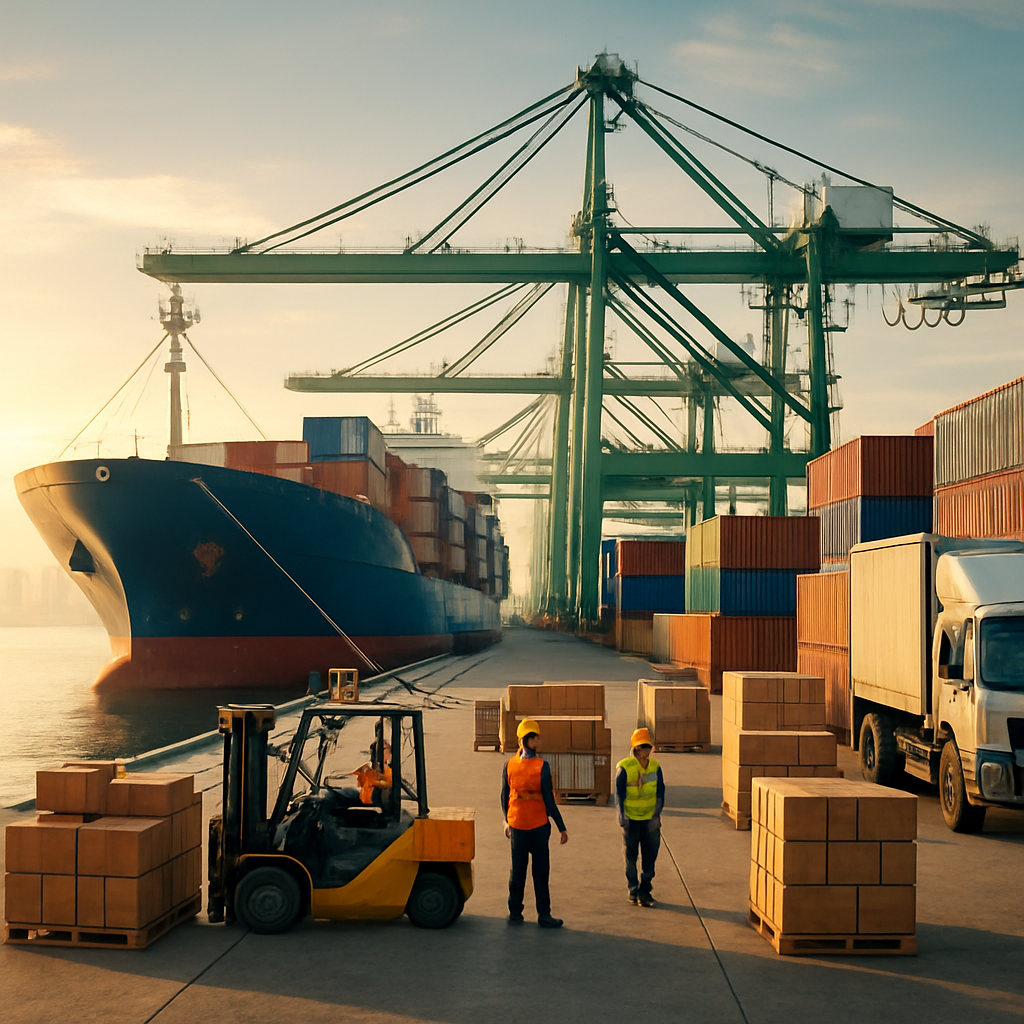
Port-to-port coastal shipping is quietly reshaping how US businesses move freight, offering a resilient alternative to congested highways and stretched rail networks. For shippers under pressure to control costs, improve reliability and cut emissions, this mode is emerging as a serious contender. As capacity tightens in traditional transport, more logistics teams are reassessing their mix and asking where short sea routes can add value.
1. Lower Costs Through Scale
Moving cargo by water typically delivers lower per-unit transport costs, thanks to larger vessel capacity and reduced fuel burn per tonne. For businesses managing regular lanes between major ports, cost-effective coastal freight can stabilise budgets compared with volatile trucking rates. When assessed over a full year of flows, the savings can be substantial, especially on dense lanes where ships run at high utilisation.
2. Extra Capacity When Highways Are Full
As trucking markets tighten, many shippers are turning to interstate sea freight solutions to secure dependable capacity. Vessels can absorb large volumes of pallets, containers and project cargo without the driver shortages that constrain road. For network planners, this creates valuable headroom during seasonal peaks and provides a buffer when overland carriers are unable to scale quickly enough.
3. Reduced Congestion and Risk
Shifting freight from roads to waterways eases pressure on urban corridors and key freight arterials. For time-sensitive suppliers, that can mean fewer delays linked to accidents, roadworks or severe traffic bottlenecks. Integrating coastal freight solutions with well-planned local port drayage services helps keep final-mile journeys short and more predictable, reducing the risk of cascading delays across your wider network.
4. Lower Emissions and ESG Gains
With investors and customers scrutinising supply chain emissions, many businesses are using short sea shipping as a lever to hit sustainability targets. Studies from the US Department of Transportation highlight that coastal vessels can be significantly more fuel-efficient per tonne-mile than trucks, especially on longer corridors. For organisations reporting under ESG frameworks, port-to-port interstate delivery can demonstrate measurable progress on climate commitments.
5. Flexible Integration With Existing Networks
Coastal services do not need to replace your current carriers; they can complement interstate shipping services and local delivery options on specific corridors. Many shippers start by shifting a portion of high-volume lanes to Domestic & Coastal in US, then scale up as reliability and savings are proven. This staged approach allows logistics teams to fine-tune schedules and test domestic coastal freight options without disrupting customer service.
- Secure additional capacity on key port corridors without relying solely on road
- Improve schedule reliability by bypassing chronic highway congestion
- Support ESG and decarbonisation goals with lower-emission freight moves
- Combine coastal interstate logistics support with coastal container delivery options for end-to-end coverage
- Use interstate coastal freight services alongside trucking to diversify risk and manage costs
For supply chain leaders, the decision is less about replacing trucks and more about choosing the right mode for each lane. Analysing volumes, service levels and port access will reveal where domestic coastal freight options can deliver the strongest return. Independent guidance from resources such as the US Maritime Administration’s coastal shipping initiatives at https://www.maritime.dot.gov can help frame that assessment and benchmark performance expectations.
If you’re exploring how port-to-port coastal shipping could fit your network, now is the time to model scenarios and test key lanes. Speak with a specialist team that understands coastal freight, port operations and inland distribution to map realistic transit times, costs and risks. A tailored assessment can identify priority corridors, outline implementation steps and provide a clear path to pilot services—so you can move from theory to measurable savings and more resilient freight operations.

Related posts
Typhoon Brings More Supply Chain Chaos In China!
This week a typhoon caused a lot of Supply Chain Chaos In China. More freight de

Essential Hazmat Transport Services for Safe Shipping in 2026
Discover essential hazmat transport services for safe shipping in 2026, from car
Incoterms and Wombats: International Shipping
On route to work this morning I’m sitting on the train intrigued by the conver
