





Logistics Network Optimization: Key Strategies for Success
Logistics Network Optimization: Key Strategies for Success
1. Harness Advanced Data and Analytics
For US shippers under pressure to cut costs and emissions, logistics network optimization is now a strategic imperative. The most effective programs start with robust data. Real-time analytics, telematics, and IoT sensors allow operators to pinpoint congestion, monitor dwell time, and sharpen demand forecasts for better strategic supply chain planning. Companies pursuing Fourth-party logistics in US need unified data across modes and warehouses to coordinate decisions. McKinsey research shows digitised supply chains can materially lift EBIT, making a strong case for data-driven logistics network design rather than intuition-led decisions.
2. Design a Customer-Centric Network
Network design can no longer focus solely on reducing line-haul spend. Customers expect speed, reliability, and transparency, and a modern logistics service provider has to engineer its footprint around those expectations. Positioning DCs closer to population centres, adding regional fulfilment nodes, or piloting micro-fulfilment can cut lead times and improve promise accuracy. Pair this with supply chain visibility solutions that give customers live status updates. When service levels improve, businesses often see repeat orders rise and claims fall, creating a clear commercial case for customer-centric reconfiguration.
3. Optimize Transportation and Routes
Transport remains the biggest lever in most logistics P&Ls. AI-powered routing, demand-based scheduling, and multi-carrier freight optimization can reduce empty miles and fuel burn while stabilising on-time performance. Many shippers are reevaluating freight forwarding solutions, exploring pooled distribution and modal shifts from road to rail where feasible. The U.S. Department of Energy reports that smarter routing and better logistics planning can cut freight emissions significantly, supporting both ESG commitments and cost-out programs. These tools also underpin outsourced freight management services run by specialist partners.
4. Streamline Warehouse and Inventory Strategies
Warehouse performance sets the pace for the entire network. Slotting fast movers close to despatch lanes, introducing AMRs, and standardising SOPs across facilities can lift throughput without major capex. Aligning these initiatives with 4PL supply chain orchestration ensures upstream and downstream flows stay in sync. Data-led inventory rules—such as ABC analysis, safety stock optimisation, and multi-node replenishment—support end-to-end freight forwarding by putting the right stock in the right place. The result is fewer stockouts, less obsolete inventory, and a more responsive fulfilment model.
5. Build Resilience Through Strategic Collaboration
Recent port disruptions and capacity crunches have exposed brittle networks. Scenario modelling, dual sourcing, and flexible capacity contracts help organisations respond faster when lanes fail. A capable integrated logistics service partner can coordinate modal switches and contingency plans across carriers and geographies. Industry bodies like the Council of Supply Chain Management Professionals offer case studies and benchmarks at https://www.cscmp.org that highlight emerging resilience practices. By pairing these insights with disciplined supply chain management, shippers can turn volatility into a competitive edge rather than a recurring crisis.
- Clarify your current network baseline, including cost-to-serve, service levels, and risk exposure.
- Identify quick wins in routing, consolidation, and inventory placement before large capital projects.
- Evaluate which flows are best handled in-house versus through an expert integrated partner.
- Use scenario modelling to compare alternative footprints, carrier mixes, and service promises.
- Develop a roadmap that sequences technology, process, and organisational changes over time.
If you are reassessing your footprint, transportation mix, or outsourcing model, now is the time to engage an integrated logistics service partner that can combine analytics, design expertise, and execution. A specialist team can audit your network, quantify trade-offs, and build a roadmap that links logistics network optimization directly to growth and margin outcomes. To move from diagnosis to action, request a consultation with a network design specialist and explore how a tailored optimisation program can support your next phase of expansion.

Related posts
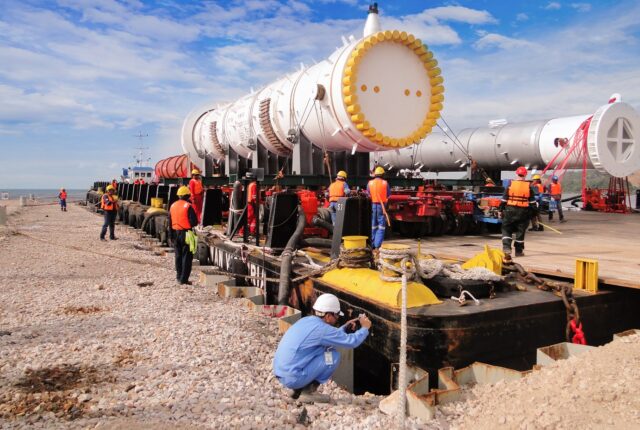
The Only Guide You Need for Building an Effective Project Logistics Strategy
Here is a step-by-step guide for creating a project logistics strategy for a bus

The Growth of 4PL Services in the US Logistics Industry
The logistics industry has undergone a seismic transformation over the past few
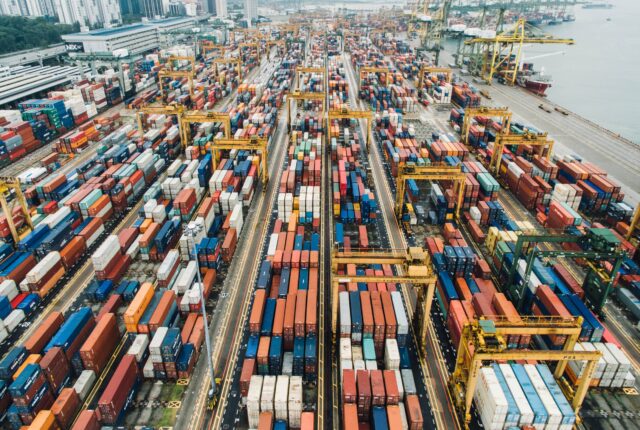
Repacking or Consolidating: Procedures
Repacking and consolidating transshipped containerised sea cargo into a new cont
