




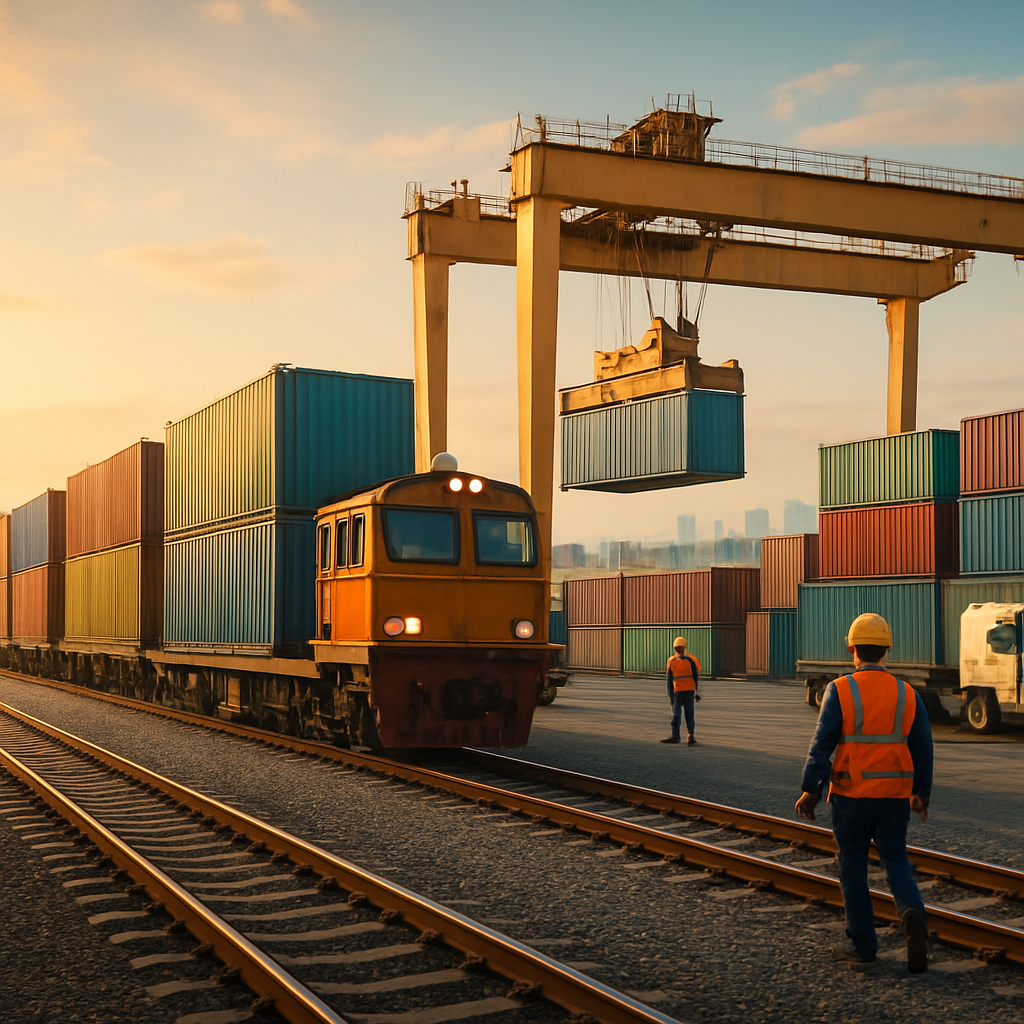
Intermodal Rail Freight: The Future of US Shipping in 2026
Intermodal rail freight in the US is entering 2026 with renewed momentum, changing how shippers think about long-haul moves. Volumes have climbed steadily for three years, and containers now dominate, opening new opportunities for cost, capacity, and emissions gains. For many businesses, the challenge is no longer whether to use rail, but how to choose among competing freight transportation solutions and operating models.
Why Intermodal Rail Freight in the US Is Growing
Intermodal combines rail for the long haul with trucks for pickup and delivery, creating a hybrid that can cut fuel use and highway exposure. Rising diesel prices, driver shortages, and congestion are pushing more freight onto trains, while corporate sustainability goals favour lower-emissions modes. Compared with pure truckload, long-distance rail freight transportation often trades one or two days of extra transit for meaningful savings and improved capacity reliability.
Core Intermodal Shipping Services and Network Models
Most intermodal freight transportation in the US fits three patterns: point-to-point domestic lanes, hub-and-spoke networks, and port-focused corridors. Point-to-point works best for dense, repeat flows such as Chicago–Los Angeles or Dallas–Atlanta. Hub-and-spoke models support broader logistics and supply chain needs, funnelling freight through inland terminals to reach many smaller markets. Port-driven routes link seaports with inland hubs, underpinning cross-border trade and e-commerce replenishment.
Choosing Providers and Service Structures
Shippers can contract directly with railroads, work with asset-based intermodal marketing companies, or rely on non-asset 3PLs. Direct deals suit very high volumes on a few lanes, while domestic rail intermodal solutions from asset-based players offer tighter control over containers and chassis. Non-asset providers aggregate capacity, layer on technology, and support integrated logistics and supply chain planning, which can be valuable for mid-market firms or those new to end-to-end intermodal shipping.
- Compare transit time tolerance and service commitments against customer delivery requirements.
- Model total landed cost, including drayage, accessorials, and inventory carrying costs.
- Assess terminal proximity, cut-off times, and schedule reliability on core lanes.
- Evaluate technology for tracking, exception alerts, and analytics to support cost-effective freight logistics planning.
- Consider providers’ experience designing sustainable intermodal logistics strategies across multiple modes.
To build a 2026 strategy, many shippers are allocating a stable “base load” of freight to rail-based freight transportation options while reserving truckload and expedited services for peaks and high-priority orders. Public data from the Bureau of Transportation Statistics at https://www.bts.gov helps benchmark performance and emissions across modes. As Rail Freight in US volumes grow, partnering with an experienced intermodal specialist can turn analysis into practical routing guides, procurement plans, and risk scenarios that support resilient logistics and supply chain operations.

Related posts
Understanding Rail Freight Services in the USA: A 2026 Guide
Discover how Rail Freight in US works in 2026. Learn key service types, costs, i
Digital Tracks: The Impact of Technology on Rail Freight Efficiency
In the fast-paced realm of logistics, the convergence of technology and rail fre
Domestic Rail Freight Shipping: Key Trends for Businesses in 2026
Explore how domestic rail freight shipping trends in 2026—intermodal growth, a
