




The Rise of Domestic Sea Freight: What Businesses Need to Know
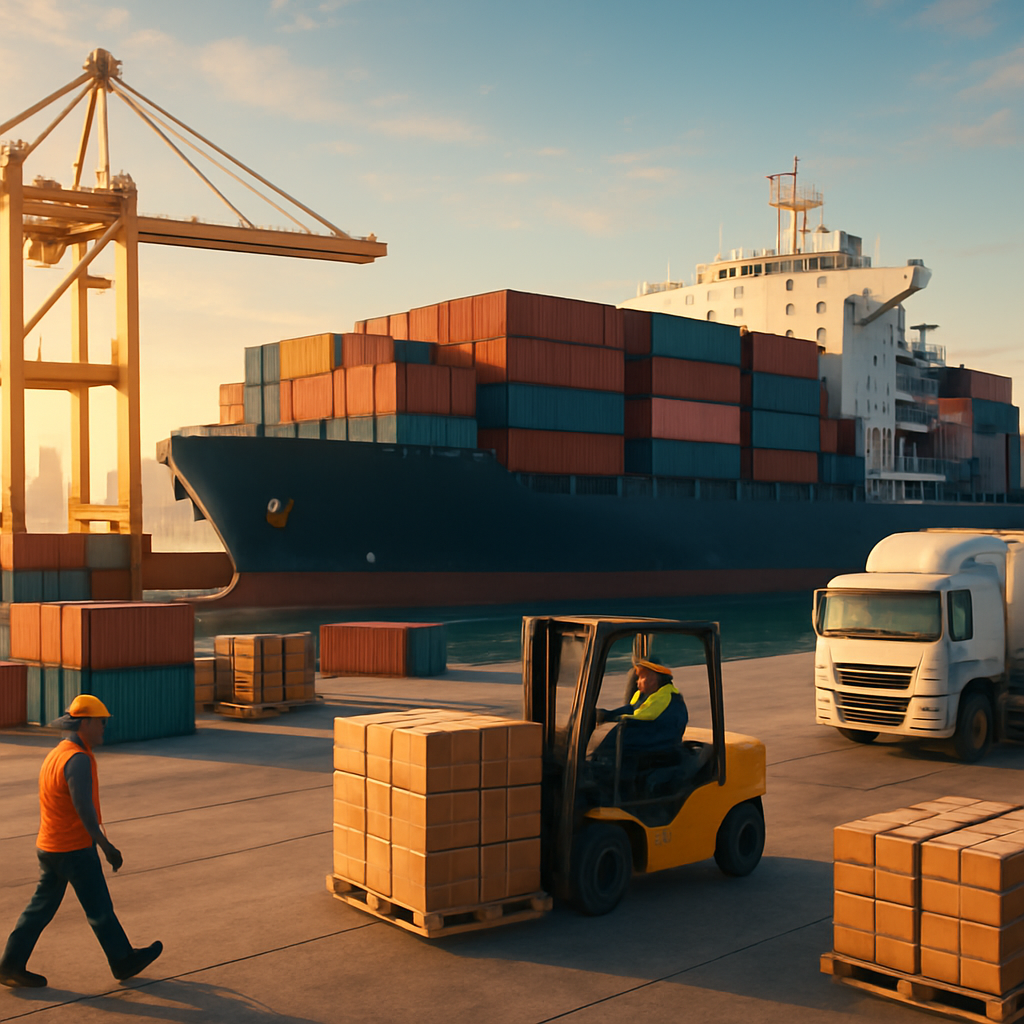
The rise of domestic sea freight in the US is forcing businesses to rethink how they move goods between ports and major population centres. As trucking networks strain under driver shortages, congestion and rising fuel costs, more shippers are asking whether they are over‑reliant on the road. Domestic sea routes that once seemed niche are emerging as credible alternatives for heavy, bulky or lower‑value freight that does not need next‑day delivery.
- Assuming sea freight is only viable for international cargo
- Defaulting to trucks even on long coastal corridors
- Ignoring total landed cost, including drayage and detention
- Overlooking emissions targets and ESG commitments
- Treating ports as endpoints instead of multimodal hubs
The rise of domestic sea freight in the US
Domestic sea freight has gained traction as infrastructure improves and ports upgrade their coastal services. Federal data shows the US system moves more than 20 billion tons of freight annually, with waterborne modes carrying a quiet but strategic share of volumes. Yet many planners still prioritise interstate shipping services by road or rail, even when coastal routes could offer price stability and capacity during peak seasons or disruptions.
Why an over‑reliance on road freight is risky
Logistics teams often assume trucks will always be faster and more flexible, but that logic is breaking down on some lanes. Persistent congestion, driver shortages and higher accessorial fees are eroding the reliability of purely road‑based networks. When disruptions hit, businesses without credible coastal freight solutions face stockouts, emergency premiums and missed service levels. Over time, those costs can outweigh the perceived simplicity of staying on the highway.
Common blind spots in freight planning
Many US companies never model domestic sea options because their TMS, RFQs and network studies are built around trucks and rail. They underestimate transit‑time competitiveness on dense corridors, or fail to compare door‑to‑door costs that include detention, demurrage and storage. This can obscure opportunities to pair Domestic & Coastal in US services with local delivery options, creating more resilient multimodal flows that share the load across different transport modes.
Warning signs your network is too road‑heavy
Executives should watch for recurring truck capacity shortages around peak sales periods, growing complaints from carriers, and a rising share of freight moved under spot or surge pricing. If on‑time performance is slipping despite higher budgets, or if ESG reports show transport emissions moving in the wrong direction, it may indicate that domestic coastal freight solutions are not being properly evaluated. These are early signals that a strategic reset is overdue.
Regulators are quietly improving transparency, with the Federal Maritime Commission releasing quarterly container statistics that help benchmark mode share and emerging interstate sea freight services. Combined with Bureau of Transportation Statistics tools, shippers can identify corridors where coastal freight and local delivery models might unlock new efficiencies. Reviewing those datasets, then pressure‑testing your own freight mix and interstate port-to-port shipping exposure, is a practical first step. If gaps emerge, speak with an independent expert to map port-to-door coastal delivery scenarios and assess where coastal interstate freight options could reduce risk before the next disruption hits.

Related posts
How Logistics Companies Are Coping With Covid-19
When you say the word “Covid-19” in the logistics companies, most freight fo
Ocean Shipping Times Surge in Supply-Chain Crunch
Ocean shipping times have been hevily delayed meaning the commercial cargo ship

Unaccompanied Baggage Shipping and The Football World Cup
The World Cup has been played on the continents of Europe, South America, North
