




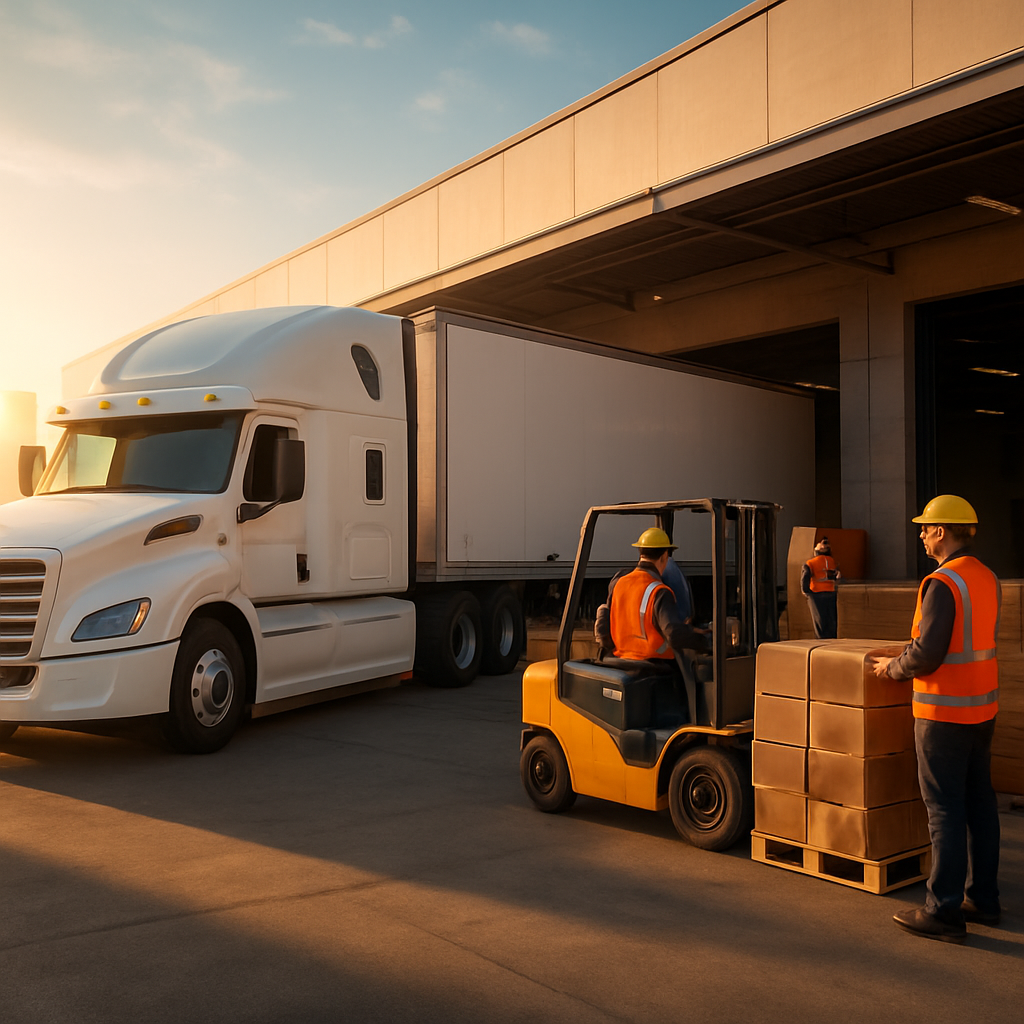
Domestic Trucking Services: Key Insights for US Businesses
Domestic trucking services sit at the heart of US commerce, with trucks moving more than 70% of all freight nationwide. For many companies, Road Freight in US networks are the invisible backbone of sales, inventory, and customer experience. Yet the same system is under pressure from rising logistics costs, tighter trucking regulations, and capacity constraints that can quickly disrupt operations if left unmanaged.
Why domestic trucking problems matter
Delays, damaged loads, and inconsistent freight transportation quickly translate into stockouts, lost revenue, and frustrated customers. When businesses underestimate the impact of driver shortage trends, fuel volatility, or regional freight capacity crunches, they often learn the hard way during peak seasons or disruptions. Unseen weaknesses in domestic freight transportation can surface as missed delivery windows, excessive detention charges, and declining service reliability.
Key pressure points in Road Freight in US
Trucking operators must comply with Federal Motor Carrier Safety Administration (FMCSA) rules and Electronic Logging Device (ELD) mandates, which affect scheduling, hours of service, and ultimately freight efficiency. According to the FMCSA, enforcement actions and audits are increasing, raising the stakes for non-compliance. Businesses that ignore these trucking regulations may face unexpected surcharges, rejected loads, or sudden capacity losses when carriers prioritise lower-risk clients.
Costs, capacity, and supply chain risks
Fuel prices, insurance, and equipment costs are pushing up rates across freight transportation services. Meanwhile, the persistent driver shortage means fewer trucks available exactly when demand spikes. These forces flow through the supply chain as rate volatility, reduced truckload cargo delivery options, and tighter lead times. Companies relying on ad hoc booking or last-minute road freight shipping solutions are especially exposed to cancelled pickups and premium emergency fees.
Technology, last-mile, and blind spots
Advanced trucking technology—telematics, GPS tracking, and route optimisation—is reshaping logistics and shipping solutions, but adoption is uneven. Shippers without clear visibility into door to door cargo delivery, last-mile delivery performance, and interstate freight transportation services often misjudge true service levels and risks. Common warning signs include frequent accessorial charges, opaque cargo delivery options, and inconsistent data on transit times or claims.
- Frequent missed delivery windows or customer complaints
- Rising logistics costs without clear explanation
- Regular damage or loss claims on domestic trucking services
- Limited visibility into shipment locations and status
- Heavy reliance on last-minute, expedited freight delivery options
Industry bodies such as the American Trucking Associations provide data on cost trends and market pressures, helping businesses benchmark their commercial logistics and shipping strategies (see https://www.trucking.org). Ignoring these trends can leave firms locked into outdated business logistics shipping options and reactive decision-making. To stay competitive, US companies should regularly review their Road Freight in US exposure, audit carriers, and seek expert guidance on smarter, more resilient trucking strategies.
Now is the time to assess how your current domestic trucking services handle risk, visibility, and cost. Review your contracts, performance data, and contingency plans, then speak with a trusted logistics expert to identify vulnerabilities and modernise your trucking approach before the next disruption turns into a costly crisis.

Related posts

How the U.S. Infrastructure Law Is Reshaping Road Freight Networks Nationwide
If your business relies on trucks to move goods across the country, the U.S. In
The Future of Interstate Road Freight: Trends for 2026
Explore how Road Freight in US will evolve by 2026, from autonomous trucks to su
Rail vs. Trucking in the U.S.: Choosing the Right Freight Option
Freight transportation is the backbone of American commerce. Whether it’s
