




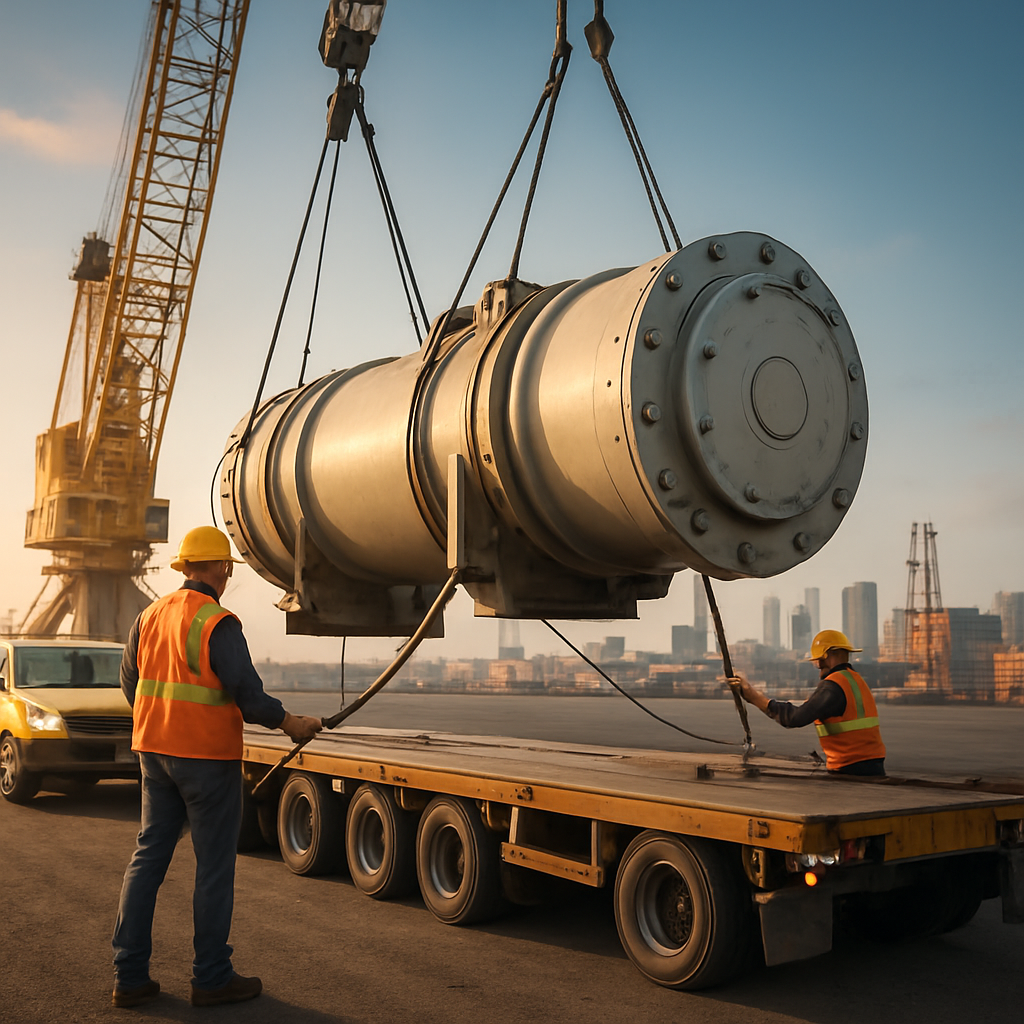
Mining Project Logistics: Trends and Best Practices
Mining Project Logistics: Trends and Best Practices in the US
1. Rising Demand for Critical Minerals
The surge in North American demand for copper, lithium, nickel and rare earths is reshaping mining project freight solutions from exploration through to full-scale production. New and expanded mines face tighter schedules, higher capital at risk and longer lead times on mission-critical equipment. Logistics teams must align procurement and supply chain management with engineering milestones so mill components, camp infrastructure and mobile plant arrive in sequence, not in chaos. Operators that treat logistics as a strategic discipline, not a back-office afterthought, are better placed to keep budgets and timelines under control.
2. Technology-Driven Visibility and Control
Digital tools are becoming non‑negotiable for complex mining builds that rely on multimodal transportation solutions across rail, road, barge and port interfaces. Real-time tracking, digital twins and control towers give project leaders early warning when cargoes slip, ports congest or weather threatens key routes. By linking logistics dashboards with project controls, teams can run scenario modelling and project cargo supply chain planning before disruptions land on site. This data-driven approach helps owners, EPCMs and contractors protect critical-path activities and avoid costly stand-downs of labour and equipment.
3. Early Stakeholder Engagement and Permitting
In the US, community, Tribal and regulatory expectations around mining access roads and industrial logistics transportation have never been higher. Best practice means bringing logistics specialists into the permitting conversation early to identify pinch points such as bridge capacities, level crossings or sensitive habitats. Structured consultation can turn potential flashpoints into workable haulage plans that respect environmental and cultural constraints. The Bureau of Land Management’s guidance and other public resources, such as the USGS critical minerals data, provide useful context on where approvals and route design are most complex.
4. Building Resilience in Volatile Markets
Inflation, driver shortages, port congestion and extreme weather are driving owners to diversify carriers, corridors and modes across integrated project supply chains. Many US mine developers now stress-test routes years before first ore, using heavy lift logistics management partners to model contingencies and buffer stocks for high-risk components. Flexible contracts, multi-carrier frameworks and specialised project cargo insurance are becoming standard. Teams that invest early in Project Logistics in US gain greater control over risk allocation between shippers, contractors and logistics providers, improving bankability and stakeholder confidence.
5. Safety, ESG and Community Impact
Oversized cargo transport services moving through remote towns, school zones and Indigenous lands carry reputational as well as operational risk. Leading operators apply stringent HSE standards to every move, from pilot-vehicle procedures to fatigue management and load-securing protocols. They also coordinate timing, noise limits and communications with local authorities to minimise disruption. When mining proponents embed freight forwarding services and safety benchmarks in contractor selection, they strengthen ESG performance and social licence, while reducing the likelihood of incidents that can halt a project overnight.
- Engage specialized project freight forwarding partners early to map corridors, permits and craneage needs before design is locked in.
- Use end-to-end logistics solutions that integrate site requirements, carrier capacity and staging yards into one coordinated playbook.
- Align industrial packaging, modularisation and heavy haul equipment selection to streamline mining project freight solutions.
- Leverage industrial logistics transportation simulations to sequence deliveries around earthworks, foundations and mechanical installation windows.
- Ensure heavy lift logistics management incorporates route surveys, escort requirements and contingency cranes for critical lifts.
If you are planning a new mine, concentrator or processing hub in the United States, now is the time to embed logistics into your project strategy, not bolt it on later. A specialist team can help you orchestrate industrial logistics transportation, coordinate carriers and design integrated project supply chains that protect both schedule and community relationships. To discuss tailored transportation solutions and mining project freight solutions for your next development, request a consultation with our project logistics specialists today.

Related posts
Trump Second Term Poses ‘Destructive Risk’ to Container Market
The prospect of Donald Trump winning the forthcoming US presidential election ou
The Trucker Shortage Crisis: How It’s Going to Impact U.S. Road Freight in 2026
Road freight moves nearly three-quarters of America’s goods, making truck tr
Unified Command Wraps Up Pier G Container Salvage Effort
LONG BEACH, Calif. — The Unified Command announces all 95 containers that fell
