




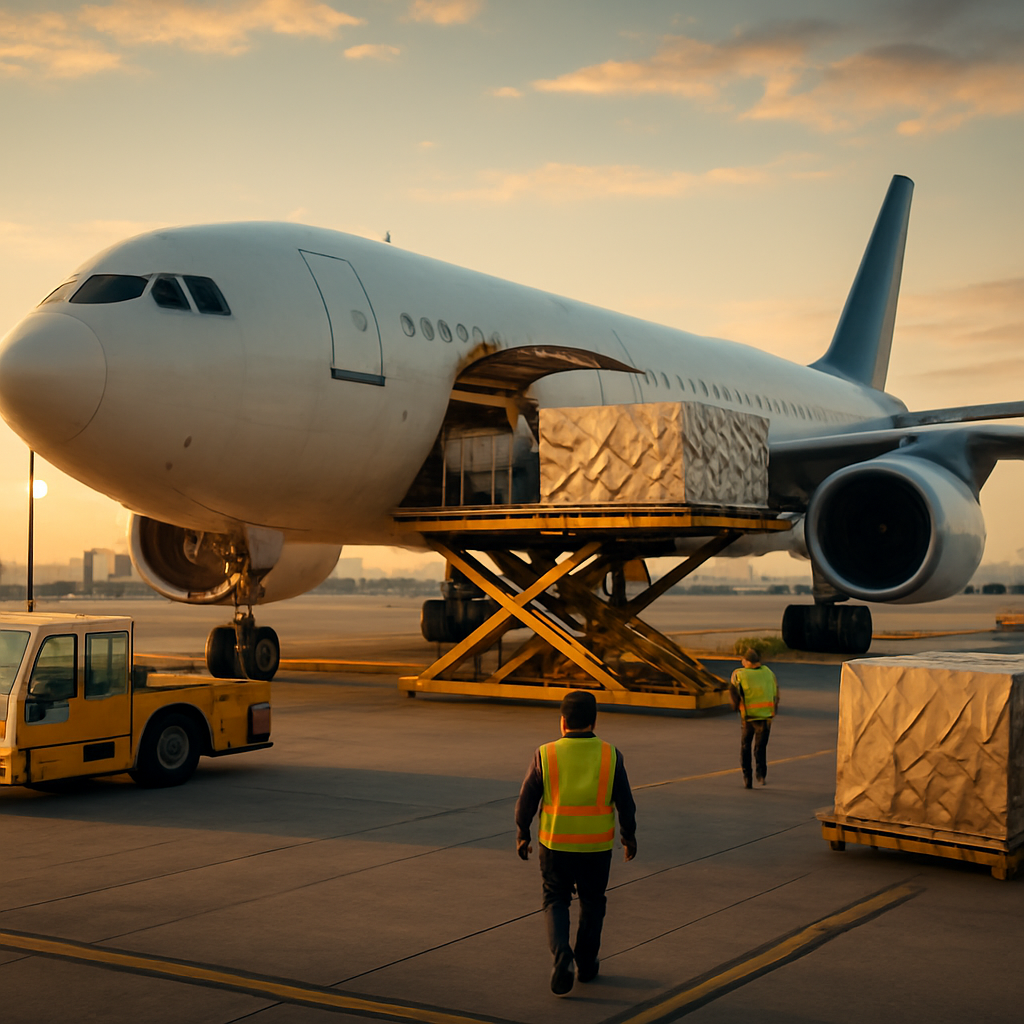
Mastering Air Freight Customs Clearance in 2026: A How-To
Mastering air freight customs clearance in 2026 is essential for importers that rely on fast, reliable deliveries into the United States. As security controls tighten and data requirements expand, air customs clearance logistics now demands accurate information well before the aircraft departs. Businesses that understand the rules, timelines, and documentation will avoid costly delays, storage fees, and customer dissatisfaction.
What is air freight customs clearance in 2026?
Air freight customs clearance in 2026 is the process by which U.S. Customs and Border Protection (CBP) reviews shipment data, assesses duties, and decides whether cargo may enter the country. Air freight in the US is now subject to pre-loading data submission through the Air Cargo Advance Screening program, making early documentation critical. Nearly all commercial shipments require formal entry, even at lower values, so importers must treat every consignment as a regulated transaction.
Key documents and data you must prepare
A successful clearance starts with a complete and consistent document set. CBP relies on the commercial invoice, air waybill, packing list, and product classification details to verify value, origin, and description. Errors in Harmonized System codes, vague product descriptions, or missing values are common causes of holds, especially for global air freight shipping. Importers should also understand how ACE, entry summaries, and customs bonds fit together to support compliant International cargo shipping.
How the air freight customs process works
The clearance journey usually begins before departure, when carriers or brokers file electronic entry data and security details through ACE. CBP uses risk targeting tools to identify shipments that need extra screening, a key step for time-critical shipment planning and urgent air cargo coordination. After arrival, freight is deconsolidated and presented for inspection; release follows once duties, taxes, and the Merchandise Processing Fee are confirmed. Each stage affects overall transit time for Urgent shipment logistics.
Costs, risks, and ways to avoid delays
Importers should understand air freight pricing factors alongside the international freight cost breakdown so they can forecast landed costs accurately. Misclassified goods, missing licences, or inconsistent documentation can trigger inspections that undermine expedited international cargo and cross-border air shipping timelines. For regulatory detail and policy updates, CBP’s official site at https://www.cbp.gov provides authoritative guidance. Working closely with a licensed customs broker can also support air freight rate optimization while maintaining full compliance.
Before choosing partners or systems, evaluate their experience with your product categories, regulatory agencies, and complex air customs clearance logistics. Ask how they communicate if freight is held, how quickly they resolve issues, and how they manage records for audits. If you are planning higher volumes or new trade lanes, seek expert advice on efficient global air freight shipping structures. To deepen your understanding, speak with a customs or logistics specialist who can review your current process and recommend clear next steps.

Related posts

Airlines Report Cargo Operations ‘Severely Affected’ by Outage
Delays and backlogs are expected across the air cargo industry, following the Mi

U.S. Air Freight in 2026: Can Capacity Keep Up with E-Commerce Growth?
In 2026, E-commerce demand continues to reshape how goods move across and into
How E-commerce is Driving Growth in US Air Freight
In the last decade, e-commerce has gone from a growing trend to an unstoppable f
