




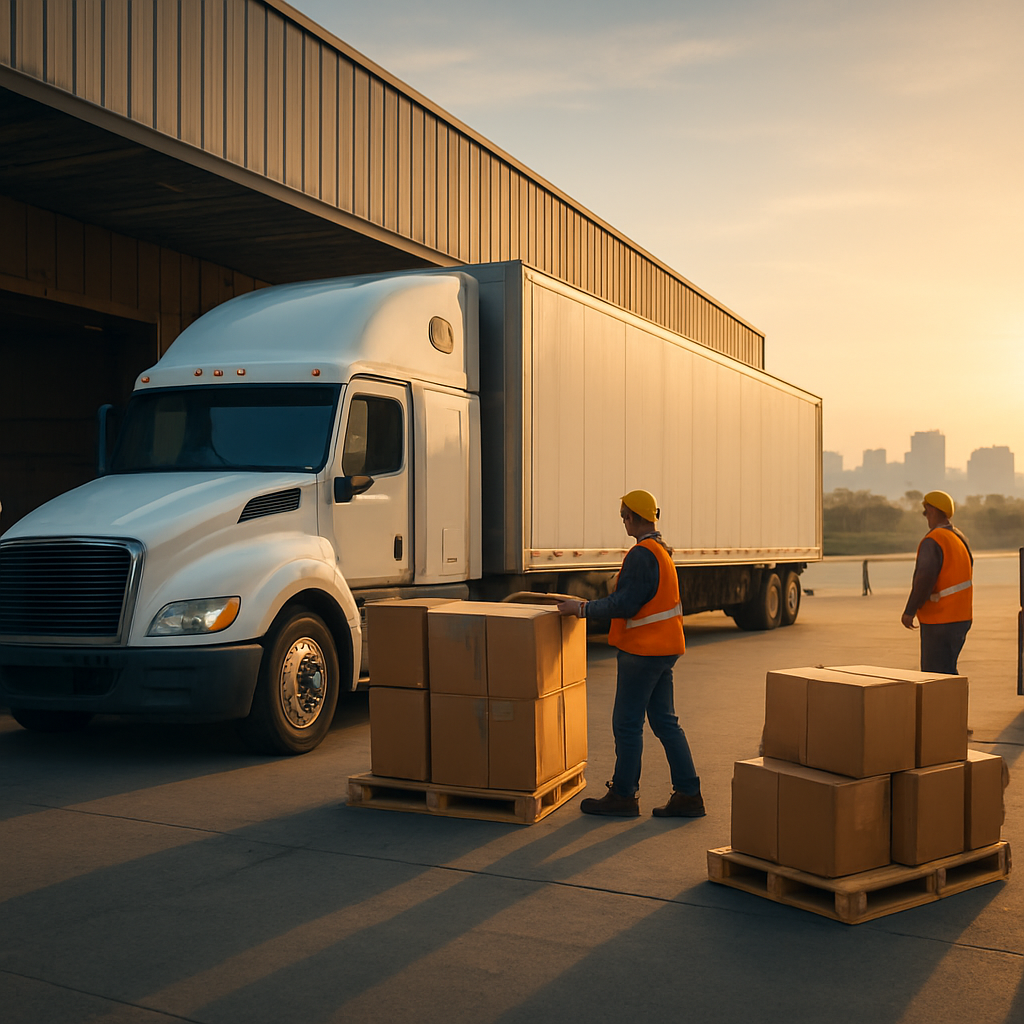
The Future of Interstate Road Freight: Trends for 2026
The Future of Interstate Road Freight: Trends for 2026
Road Freight in US: Technology Trends Every Shipper Should Watch
By 2026, Road Freight in US will be defined by a wave of automation and data-driven decision-making that reshapes how interstate loads are priced, planned, and monitored. Autonomous trucks are moving from controlled pilots to expanded operations on major highways, using lidar, cameras, and AI to reduce crashes linked to fatigue and distraction. At the same time, carriers are rolling out AI tools for dynamic routing and live pricing that help shippers compare freight transportation services more accurately. These platforms analyse weather, congestion, and historical performance to cut empty miles and improve on-time delivery across key interstate corridors.
Sustainable Fleets and Low-Emission Road Freight Shipping Solutions
Decarbonisation will be a central theme in US interstate trucking strategies over the next few years, with fleets testing electric, hydrogen, and cleaner diesel technologies on predictable regional lanes. For shippers, this means sustainability will increasingly sit alongside cost and speed when assessing domestic freight transportation and long-haul capacity. Retailers and manufacturers are already tracking freight-related emissions in public reports, prompting carriers to invest in aerodynamic upgrades, low-rolling-resistance tyres, and driver coaching to cut fuel burn on longer interstate runs. As infrastructure for charging and alternative fuels matures, shippers will gain more low-emission cargo delivery options without sacrificing reliability.
Workforce, Networks, and Interstate Cargo Delivery Services
Despite automation, human expertise will remain essential, with new roles emerging around remote vehicle monitoring, high-voltage maintenance, and data analytics. Many carriers are redesigning interstate networks into hub-and-spoke models that allow automated trucks to handle linehaul segments while human drivers focus on complex urban delivery. This shift supports more flexible interstate cargo delivery services, including door-to-door freight options and time-critical cargo delivery on dense trade lanes. For logistics managers, it raises new evaluation criteria: technology maturity, data visibility, cybersecurity readiness, and how each provider manages nuclear verdict risk and rising insurance costs.
How to Compare Providers and Logistics and Shipping Solutions for 2026
To choose the right partner, shippers should benchmark carriers across three pillars: technology, sustainability, and resilience. Ask how providers use data to optimise nationwide trucking logistics, whether they offer temperature-controlled freight solutions, and how they handle large-scale disruptions such as port congestion or extreme weather. Independent references, including the American Trucking Associations’ industry data at https://www.trucking.org, can help contextualise safety records, capacity trends, and regulatory shifts. Comparing multiple road freight shipping solutions side by side allows businesses to align service levels with budgets and risk tolerance while supporting long-term, business-focused logistics planning.
- Clarify service needs by lane, volume patterns, and required transit times before approaching carriers.
- Assess each provider’s digital capabilities, including shipment visibility tools and predictive ETAs.
- Compare sustainability roadmaps, from cleaner diesel upgrades to alternative-fuel and electric fleet plans.
- Evaluate contingency strategies for weather, infrastructure bottlenecks, and market volatility.
- Schedule discussions with experts to pressure-test contract terms, surcharges, and performance guarantees.
As 2026 approaches, interstate shippers that proactively review contracts, test new service models, and seek expert advice will be best positioned to manage cost and risk. Consider piloting new logistics and shipping solutions on selected lanes to measure real-world performance before scaling up. Engage providers in joint planning sessions to align technology investments with your network goals and preferred cargo delivery options. Finally, book a consultation with a trusted transport expert to compare competing offers, refine mode mix, and build a roadmap that keeps your interstate operations resilient, efficient, and ready for the next wave of innovation.

Related posts

Safety First: Ensuring Road Freight Security on the Highways
In the bustling world of logistics and road transportation, safety should always
Highway to Growth: The Economic Impact of Road Freight
Road freight plays a crucial role in the economic development of countries aroun
Understanding Road Freight Services in the USA: A 2026 Guide
Understand key trends shaping Road Freight in US for 2026, from service types an
