




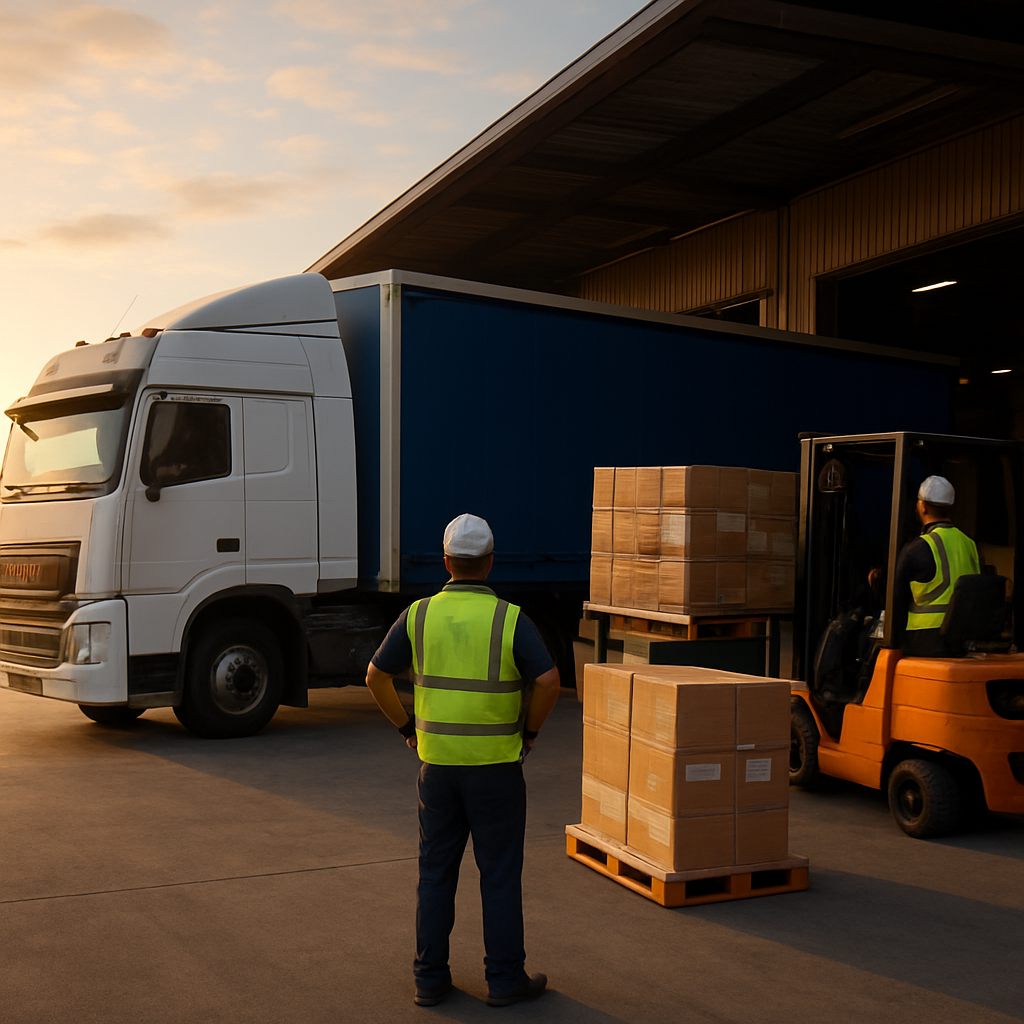
Understanding Road Freight Services in the USA: A 2026 Guide
Road freight in the U.S. is heading into a pivotal period, with 2026 shaping up as a test of resilience, cost control, and capacity planning. For many shippers, road-based logistics solutions determine whether orders arrive on time or margins are quietly eroded by accessorials and delays. This list breaks down the key things to know about road freight services in the USA for 2026 so you can negotiate smarter, plan capacity earlier, and align transport with your broader supply chain strategy.
1. Know Your Core Road Freight Service Types
The two main pillars of road freight services in the USA remain Less Than Truckload and Full Truckload, but their use cases are evolving. LTL increasingly supports omni-channel freight transportation services, where shipments are smaller, more frequent, and time-sensitive. FTL still dominates high-volume lanes, giving you predictable truckload cargo delivery choices and fewer touchpoints. Understanding your freight profile by weight, cube, and frequency is the first step in choosing the right mix and avoiding hidden costs.
2. Prepare for a Tight Capacity and Pricing Environment in 2026
Demand from e-commerce, reshoring, and industrial investment will keep domestic freight transportation busy, even if the broader economy softens. Capacity may tighten at regional peaks, putting pressure on spot rates and accessorial fees. Shippers that model different cargo delivery options, commit to core carriers, and share accurate forecasts will generally access more cost-effective road freight options. Those who wait for last-minute spot quotes may face higher rates and fewer reliable providers.
3. Use Technology to Gain Real-Time Visibility and Control
Digital platforms are rapidly changing how companies buy and manage road freight services in the USA, from instant quoting to automated tendering. Transportation management systems and APIs provide real-time status updates, improving ground freight shipping options by reducing manual check calls and surprises. IoT devices and telematics enhance temperature control, security, and proof-of-delivery data. For many shippers, the next competitive edge lies in how well they turn this visibility into actionable performance and cost analytics.
4. Put Sustainability Metrics on the Negotiation Table
Regulation and customer expectations are pushing fleets to invest in cleaner engines, aerodynamics, and alternative fuels. Shippers are increasingly asking for emissions data alongside traditional KPIs, especially where nationwide trucking and logistics providers operate dense networks. Consolidating shipments, tightening packaging, and using mode-agnostic logistics and shipping solutions can cut both emissions and cost. Referencing publicly available data from sources like the Environmental Protection Agency helps benchmark your own footprint credibly.
5. Know When to Bring in a Road Freight Specialist
Complex networks with multiple DCs, seasonal peaks, and strict SLAs often outgrow ad hoc carrier management. That’s where expert support in Road Freight in US becomes a force multiplier, from lane-by-lane benchmarking to RFP design and routing guide optimisation. A seasoned partner can stress-test your interstate cargo delivery services, highlight business-focused freight transport gaps, and propose clear service-level trade-offs. For many shippers, that expertise turns road freight from a cost centre into a source of resilience and service advantage.
- Clarify whether LTL, FTL, or a hybrid model best fits your freight profile and service commitments.
- Use multi-year contracts and data-driven forecasting to secure capacity on critical lanes before demand spikes.
- Invest in platforms that integrate tracking, documentation, and analytics across your road-based network.
- Ask carriers to share emissions metrics and continuous-improvement plans tied to sustainability goals.
- Engage a specialist to audit rates, service performance, and routing to support long-term planning.
If you’re reassessing your road freight strategy for 2026, now is the time to act rather than wait for the next disruption. Our team helps businesses streamline road-based logistics solutions, improve on-time performance, and unlock data-driven savings opportunities. We’ll review your freight mix, network design, and carrier portfolio, then map out practical steps to build a more resilient plan. Ready to tighten control over your road freight services in the USA? Request a consultation today and explore tailored road freight strategies that support your growth.

Related posts
Driver Safety: Comprehensive Road Freight Security Measures
In today’s fast-paced world of logistics, driver safety goes beyond naviga
Severe Congestion at DP World Melbourne Terminal
Landside logistics operators are continuing to experience extreme congestion at

Impact of E-Commerce Growth on Logistics Companies
The impact of e-commerce growth on Logistics companies in recent years has been
