




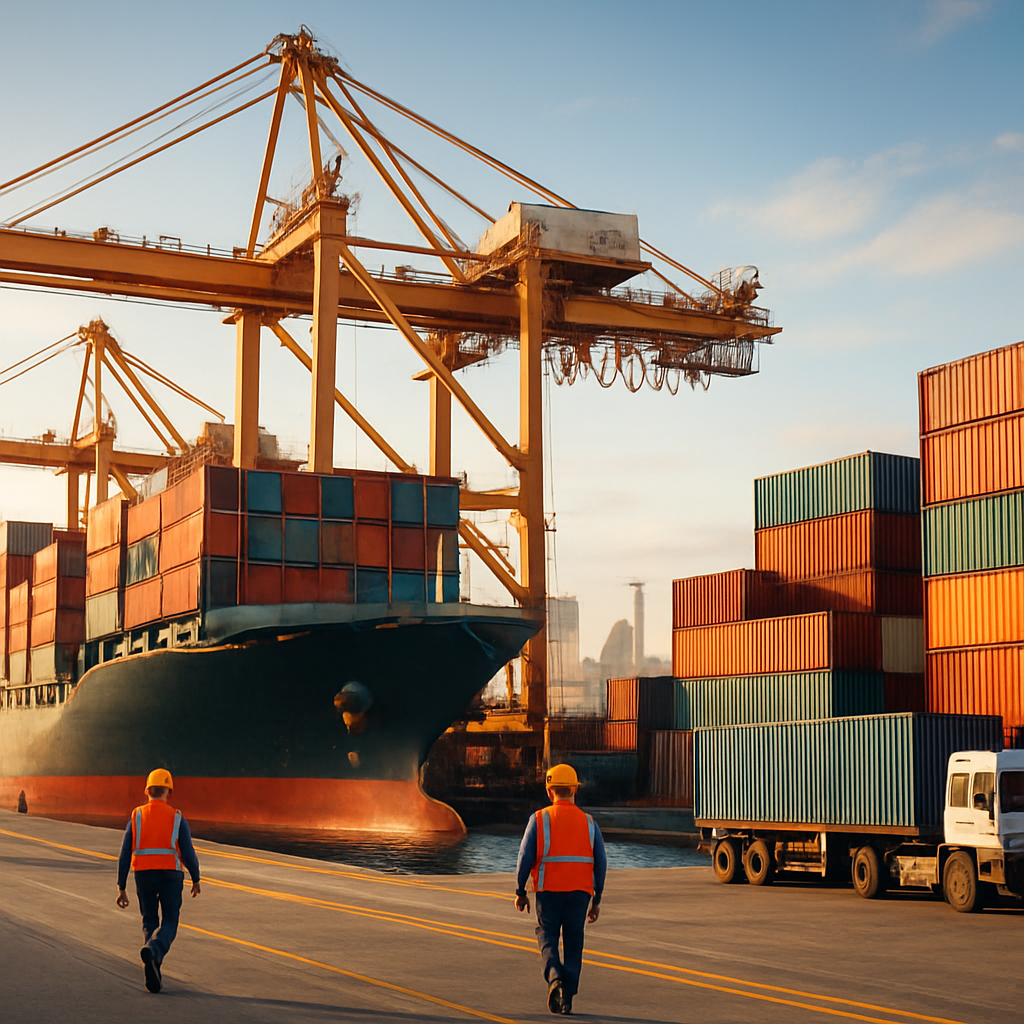
International Ocean Freight Forwarding: Key Insights for 2026
International Ocean Freight Forwarding: Key Insights for 2026
Why international ocean freight forwarding is entering a critical phase
International ocean freight forwarding is moving into a pivotal period as capacity, regulation, and customer expectations tighten simultaneously. For U.S. shippers, treating seaborne transport as a passive cost center rather than a strategic function now carries real risk. With more than 80% of world trade by volume moving by sea, any weakness in planning, partner selection, or ocean shipping logistics can quickly cascade into missed delivery windows, frustrated customers, and rising accessorial charges that erode already thin margins.
Hidden capacity pressures that catch shippers off guard
Port congestion and equipment shortages are no longer rare shocks; they are recurring features of international ocean shipping logistics. Trans-Pacific and Asia–Europe routes, which underpin many U.S. supply chains, remain vulnerable to bottlenecks triggered by weather, labor disputes, or geopolitical tensions. On the ground, this appears as rolled bookings, extended dwell times, and sudden schedule changes that make even carefully planned container shipping options feel unreliable, particularly for importers relying on just-in-time inventory models.
The digital divide and documentation risks
Many companies still manage global shipments with email threads and spreadsheets, leaving large blind spots in tracking and the customs documentation process. When data is fragmented between freight forwarders, carriers, and in-house teams, errors creep into bills of lading, commercial invoices, and packing lists. These gaps frequently delay the containerized freight customs process, creating demurrage and detention charges that surprise finance teams and complicate cash flow forecasts, especially during peak seasons or regulatory crackdowns at key U.S. gateways.
Compliance, sustainability, and rising regulatory stakes
Regulators and large buyers increasingly expect detailed ocean freight compliance documentation and credible emissions reporting. The International Maritime Organization’s decarbonisation measures are tightening, and major retailers are asking suppliers to disclose the carbon footprint of Sea Freight in US corridors and beyond. Businesses without reliable data from their logistics partners may find themselves locked out of preferred supplier programs or paying more for last-minute space, undermining cost-effective container shipping options and long-term contracts.
Warning signs that your current approach is not fit for 2026
Repeated unexpected surcharges, frequent rolled containers, and limited visibility into end-to-end ocean logistics support are early indicators that an organisation’s model is under strain. If teams struggle to reconcile invoices, explain delays, or manage import export customs paperwork without crisis meetings, the problem is likely structural, not incidental. Industry bodies such as the United Nations Conference on Trade and Development provide valuable context on these systemic pressures at https://unctad.org, highlighting why u.s. container shipping services must evolve to stay resilient.
Recognising these warning signs early allows shippers to reassess their sea freight customs documentation practices, routing strategies, and partner capabilities before disruption escalates. Reviewing internal processes, mapping current container shipping dependencies, and seeking independent guidance on the ocean freight market can all help identify vulnerabilities. If your team is wrestling with recurring delays, opaque charges, or ad hoc fixes, now is the time to speak with an expert and clarify your container shipping options and risk exposure before the next disruption makes change far more costly.

Related posts
EVENT: 26-27th March 2024 Trade Opportunities for Australia, US and Mexico Nearshoring in North America
Across The Ocean Shipping Pty Ltd., The Embassy of Mexico in Australia, Bryan Go

Cutting Carbon Emissions For the Shipping Industry Remains a Struggle
Cutting carbon emissions remains a struggle as sea shipping operators are under

Unaccompanied Baggage Shipping and The Football World Cup
The World Cup has been played on the continents of Europe, South America, North
