




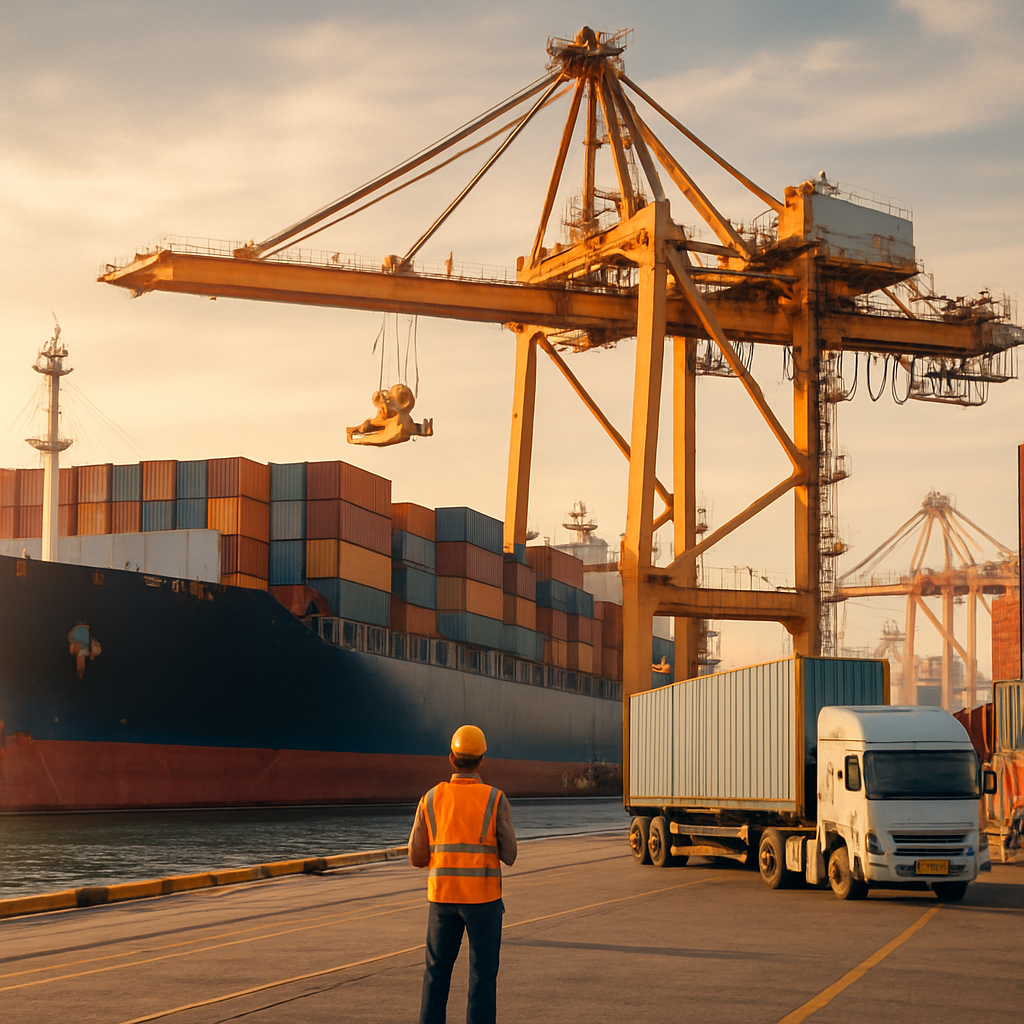
Understanding Sea Freight Services in the USA: A 2026 Guide
Understanding sea freight services in the USA is now a strategic priority for shippers trying to control costs and manage risk in 2026. As capacity tightens and port bottlenecks fluctuate, businesses are reassessing how they use Sea Freight in US supply chains, from contract negotiations to routing decisions. This guide outlines the most important factors to consider if you want reliable, predictable access to the global ocean network.
1. Know the Core Players in Sea Freight Services in the USA
Successful Ocean shipping logistics depends on how well you coordinate freight forwarders, carriers, and terminal operators. Forwarders typically handle quoting, booking, and the Customs documentation process, while ocean carriers provide the vessels and sailing schedules. Port authorities and terminal operators add another layer of complexity with cut-off times, demurrage rules, and yard congestion. Importers that map these roles clearly often secure better rates, fewer delays, and stronger visibility when disruption hits.
2. Choose the Right Container Shipping Options for Your Cargo
With more international container shipping choices on the market, matching service type to cargo profile is now critical. Shippers must weigh full-container-load versus less-than-container-load, reefer units for perishables, or specialised equipment for oversized freight. These Container shipping options can dramatically alter your landed cost, transit time, and damage risk. For complex shipments, many importers and exporters rely on u.s. container freight solutions that integrate packing, drayage, and warehousing into a single quote.
3. Plan Around Ports, Infrastructure, and Congestion Risks
Major US gateways such as Los Angeles, Long Beach, and New York/New Jersey remain vital, but congestion and labour disruptions continue to challenge predictability. Smart ocean freight logistics planning includes diversifying routings through secondary ports, building extra lead time into schedules, and monitoring dwell time data. Public resources like the Bureau of Transportation Statistics at https://www.bts.gov/ can help you track performance trends and benchmark port reliability. The goal is to balance speed, cost, and risk across multiple possible gateways.
4. Stay Ahead of Regulations and Sea Freight Customs Paperwork
Regulatory complexity is rising, making sea freight customs paperwork a major pain point for many shippers. From advanced manifest rules to security filings and import export customs documentation, a single error can trigger inspections, storage charges, or shipment holds. Many businesses now lean on partners who specialise in sea freight logistics for importers, ensuring each filing aligns with both US and foreign regulations. Clear process design and checklist-based controls are becoming essential risk-management tools.
5. Use Technology to Gain Visibility and Support End-to-End Ocean Shipping
Digitisation is transforming containerized ocean freight management, giving shippers real-time insight into vessel status, port queues, and exceptions. Integrated platforms can now link bookings, tracking data, and the broader end-to-end ocean shipping journey into a single dashboard. That visibility makes it easier to reroute cargo, inform customers, and protect revenue when disruption occurs. Companies that invest in data-driven decision-making tend to secure more reliable capacity and better long-term carrier relationships.
- Clarify service responsibilities with your forwarder and carrier before peak season.
- Audit your routing guide annually to reflect shifting port performance.
- Standardise internal processes for Customs documentation process and compliance checks.
- Leverage technology to compare transit times, reliability scores, and cost scenarios.
- Engage experts who can tailor Sea Freight in US strategies to your growth plans.
If your team is struggling to balance cost, reliability, and compliance across multiple trade lanes, now is the time to rethink how you manage Sea Freight in US operations. Speak with a specialist to review your current routes, contracts, and risk exposure, then request a customised sea freight strategy and quote that supports your next phase of growth.

Related posts

Neo Orbis: Revolutionary Solid Form Hydrogen Propulsion Vessel
Known as the Neo Orbis, a revolutionary solid form hydrogen propulsion vessel th
Hyundai Develop Rotor Sail Design For Eco-Friendly Ship
Based in South Korea, Hyundai has been developing a revolutionary rotor sail des
Transit Time Increase Leads to 16% Rise in Capacity Needs
With ocean carriers having established Red Sea diversion routes, Sea-Intelligenc
