




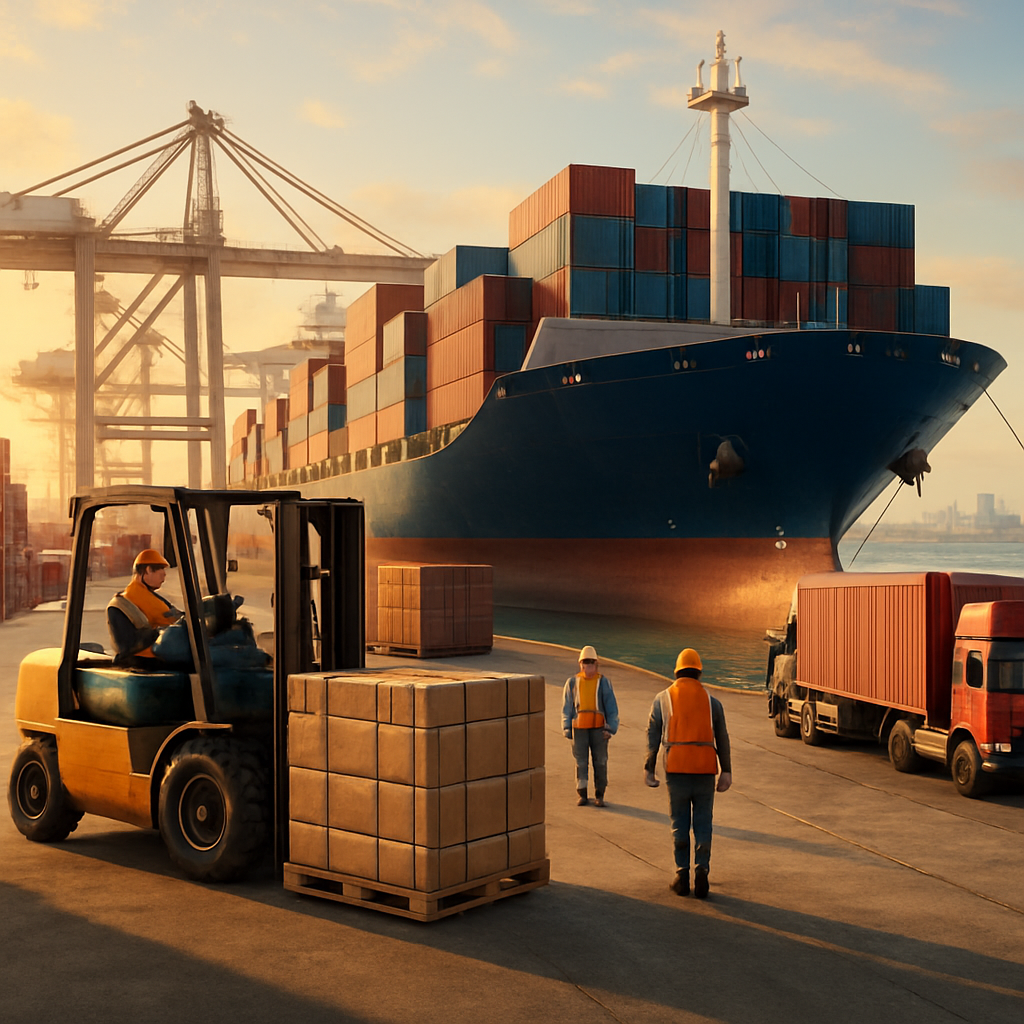
Coastal Container Shipping: Maximizing Your Freight Efficiency
Coastal container shipping is reshaping how American shippers think about reliability, cost control, and sustainability. For businesses moving freight between major U.S. ports, choosing the right partner is critical to protect schedules, budgets, and customer promises. Coastal container shipping offers a predictable, lower-congestion alternative to long-haul road transport, giving logistics teams a dependable way to move high volumes while cutting emissions and uncertainty.
“When you understand exactly how a coastal service operates, it becomes much easier to trust it with time-sensitive, high-value freight.”
How Coastal Container Shipping Works Day to Day
A trusted provider starts by mapping your current lanes, typical volumes, and delivery windows, then identifies where domestic interstate freight by sea can reliably replace trucks. Containers are collected from your facility, staged at the nearest port, and loaded to scheduled coastal sailings that run on consistent weekly or multi-weekly timetables. On arrival, port-to-door delivery services connect your freight to final destinations using vetted local carriers, integrating smoothly with existing warehouse and distribution plans. Throughout each step, you should expect clear documentation, proactive communication, and live tracking so your team never has to chase updates.
Standards, Compliance, and Risk Management You Can Trust
Credible coastal freight solutions are built on strict compliance and safety standards, not just low rates. Providers operate Jones Act-qualified vessels, follow Coast Guard and port authority regulations, and maintain audited safety, maintenance, and cargo-handling procedures. Many shippers benchmark performance using data from the U.S. Maritime Administration, which shows the fuel-efficient advantages of marine transport while reinforcing its reliability for interstate shipping services. By choosing a partner that shares incident histories, inspection records, and service KPIs openly, you reduce operational risk and gain confidence that each shipment is protected by proven processes.
Designing a Coastal Strategy Around Your Business
Instead of a one-size-fits-all model, reliable operators build custom coastal shipping plans that mirror your real-world constraints, from seasonal peaks to specialised equipment needs. A strong integrated coastal freight network connects major hubs like Los Angeles, Houston, Savannah, and New York, with regional port delivery choices that shorten inland hauls and reduce driver hours. For example, retailers moving inventory between the Gulf and Northeast can use interstate coastal freight options to stabilise transit times and reduce exposure to highway congestion. As volumes grow, scalable interstate cargo solutions help you expand lanes without constant renegotiation or capacity worries.
For many shippers, the final proof of value is how a provider coordinates Domestic & Coastal in US services alongside existing truck and rail contracts. A transparent partner will walk you through cost comparisons, expected transit windows, and service contingencies so you understand exactly when cost-effective coastal shipping makes sense. They will also clarify how local delivery options are scheduled after discharge and how exceptions are handled if a sailing is delayed. When you are ready to explore coastal container shipping with greater confidence, speak with our team to review your lanes, assess port access, and build a clear, step-by-step plan that reduces risk while strengthening your freight strategy.

Related posts
China Trade Bottleneck Worse than the Suez Canal Fiasco?
When the giant container ship the MV Ever Given wedged itself across the Suez Ca
Understanding Domestic Coastal Shipping in the USA: A Guide
Understand Domestic & Coastal in US freight, the Jones Act, key benefits, an

Hydrogen Fueled Product Tanker Awarded Grant
A Swedish company has just been awarded $5.3 million in grant money from the Eur
