




Heavy Machinery Transport via Rail: A 2026 Perspective
Heavy Machinery Transport via Rail: A 2026 Perspective
1. Why Rail Is Regaining Ground for Heavy Machinery Transport via Rail
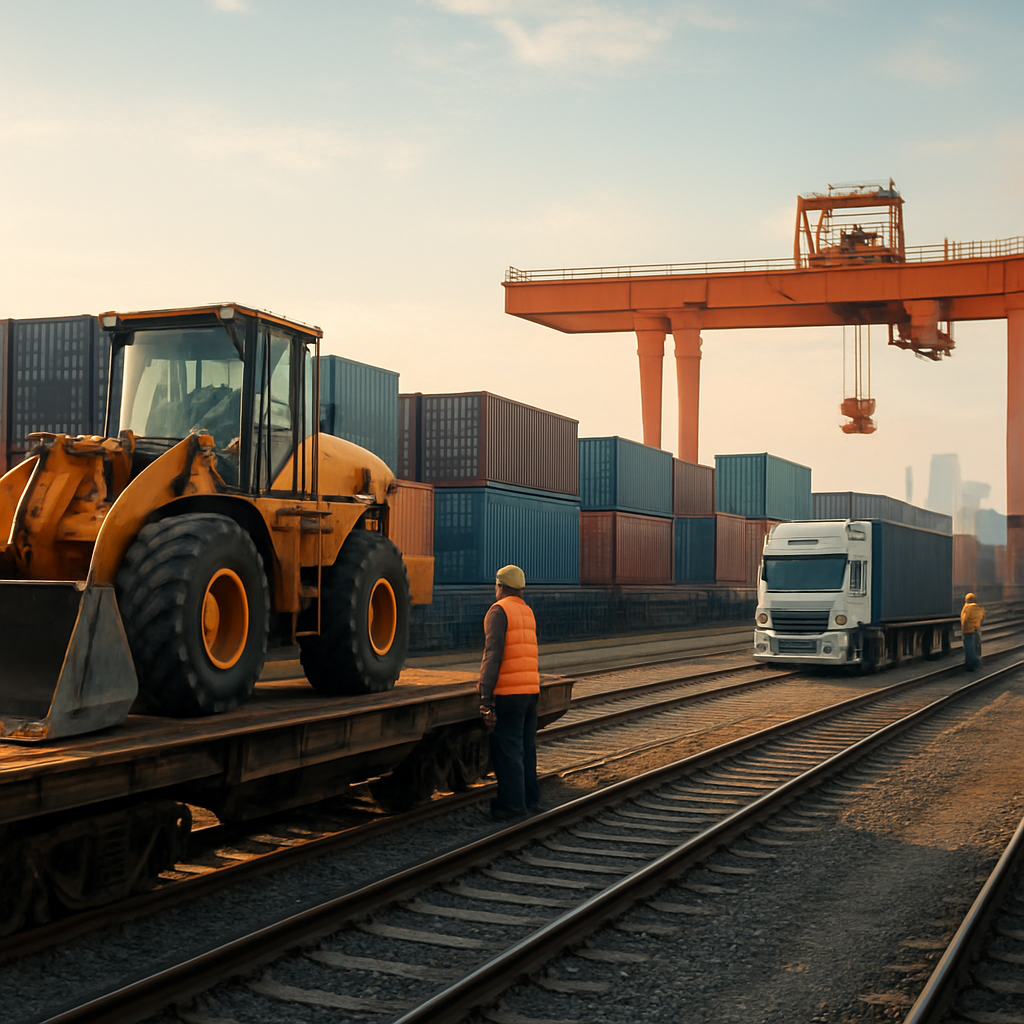
As capital projects rebound across the United States, heavy machinery transport via rail is emerging as a smarter backbone for oversized moves. Project owners are reassessing Rail Freight in US to cut risk on multi-million‑dollar assets while keeping emissions in check. Compared with long-haul trucking, rail offers higher weight capacity, fewer handling points, and more predictable transit on dedicated corridors. For energy, construction, and mining sectors, that combination supports safer execution and more bankable project timelines.
2. Capacity Constraints You Can’t Afford to Ignore
Behind the positive growth story sit real bottlenecks in specialised rail equipment. Availability of heavy-duty flatcars and depressed‑center cars is tight, driving some shippers to secure their own fleets as part of broader freight transportation solutions. Loads above strict weight and dimensional thresholds trigger formal clearance processes that can take weeks. If these steps aren’t built into end-to-end supply chain planning from the outset, site mobilisation dates can slip, contractors sit idle, and penalty clauses quickly erode project margins.
3. Risk Management Is Now a Board-Level Issue
With heavier loads moving through busy corridors, risk management around heavy machinery transport via rail is under sharper scrutiny. Carriers now demand engineered loading plans, detailed blocking and bracing diagrams, and strict compliance audits before a train ever departs. These controls add upfront cost but sharply reduce the likelihood of damage, derailment, or public-safety incidents. For sponsors and insurers, a documented risk framework across logistics and supply chain partners is becoming a prerequisite for project sign‑off.
4. Digital Visibility and Intermodal Flexibility
Modern heavy-haul programs increasingly blend rail with road and port legs through integrated freight transportation models. Digital platforms now track wagons, axle loads, and milestones in real time, supporting more accurate crane bookings, escort scheduling, and port cut-offs. As domestic intermodal rail networks grow, shippers can access more heavy machinery intermodal options that balance cost, speed, and risk. The result is more sustainable long-haul freight with fewer empty miles and better utilisation of specialised assets.
5. Turning Constraints into Competitive Advantage
Leading project owners treat rail not as an afterthought but as a core strategic lever. They engage specialists early to design a rail-centered logistics strategy, complete route studies, and coordinate plant, port, and site interfaces. This planning unlocks cost-effective freight logistics while protecting critical-path activities during construction and shutdown windows. When supported by intermodal shipping services and rail-enabled distribution solutions, a robust rail program can differentiate bids, strengthen bankability, and reassure stakeholders that execution risk is under control.
- Quantify weight, dimensions, and lifting points early so rail engineers can validate car selection and clearances.
- Lock in equipment and paths months ahead on critical corridors to avoid peak-season congestion.
- Use independent engineering review for loading diagrams on ultra-heavy or high-centre-of-gravity cargo.
- Integrate rail milestones into project controls to flag delays before they hit site schedules.
- Leverage public resources such as the Association of American Railroads traffic trends on https://www.aar.org to inform long-range planning.
If you’re planning major capital works or asset upgrades through 2026 and beyond, now is the time to stress-test your rail program. Our specialist team helps owners and EPCs design rail-led heavy-haul concepts, coordinate with carriers, and align movements with broader logistics and supply chain objectives. From concept studies through execution support, we focus on de‑risking delivery while keeping budgets and stakeholder expectations aligned. Book a consultation today to review upcoming projects, explore heavy machinery transport via rail scenarios, and build a more resilient transport plan.

Related posts
Digital Tracks: The Impact of Technology on Rail Freight Efficiency
In the fast-paced realm of logistics, the convergence of technology and rail fre
Domestic Rail Freight Shipping: Key Trends for Businesses in 2026
Explore how domestic rail freight shipping trends in 2026—intermodal growth, a
Impact of E-Commerce Growth on Logistics Companies
The impact of e-commerce growth on Logistics companies in recent years has been
