




Sea Freight Customs Clearance: What You Need to Know in 2026
Sea Freight Customs Clearance: What You Need to Know in 2026
5 Ways 2026 Sea Freight Customs Clearance Rules Will Impact Importers
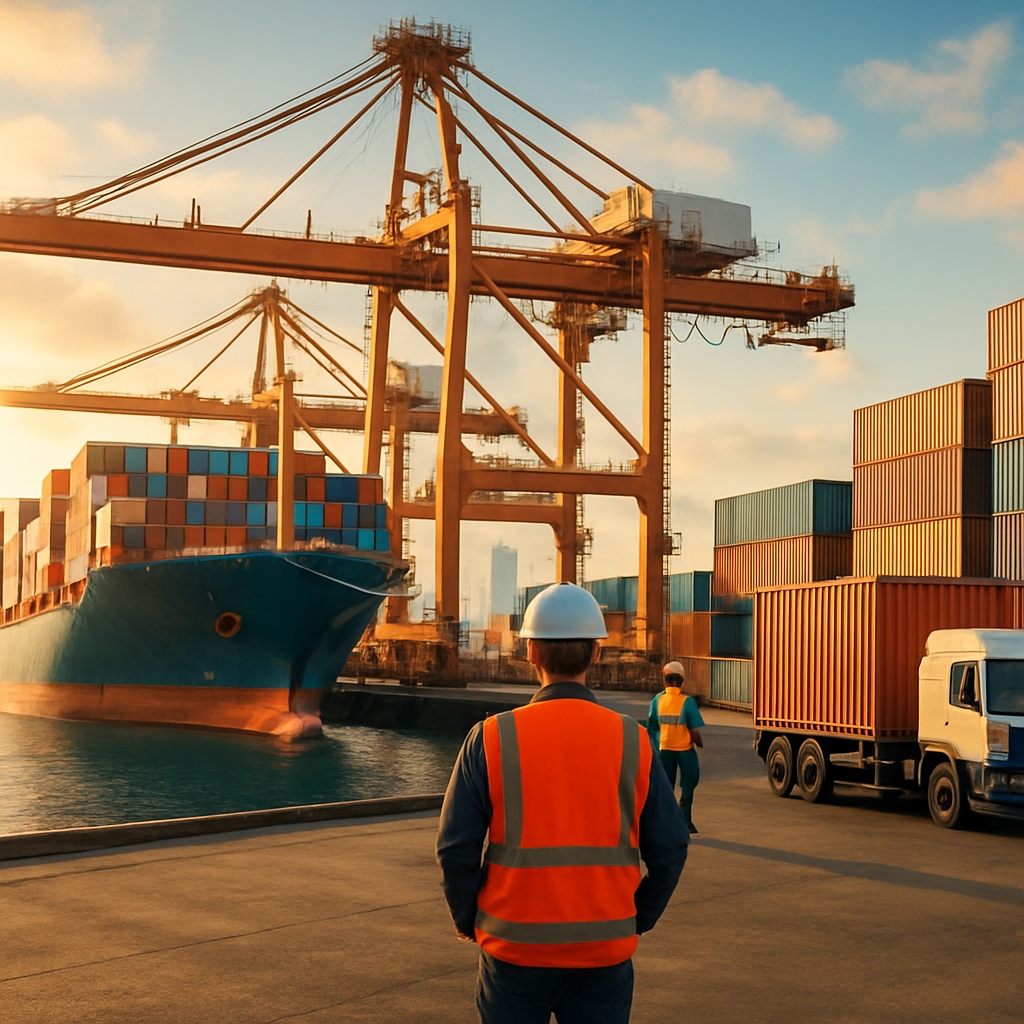
Sea freight customs clearance in 2026 is tightening across U.S. ports, reshaping how importers plan, budget, and manage risk. Tougher enforcement, new filing tech, and the end of key exemptions are raising the stakes for every shipment. For businesses relying on Sea Freight in US lanes, getting customs wrong now means real exposure: vessel holds, surprise exams, and penalties that can reach 50% of duties owed. The companies that adapt early will protect margins and keep freight moving while slower rivals sit at anchor.
1. Stricter scrutiny of Importers of Record and brokers
Under the 2026 enforcement push, CBP officers are drilling deeper into who really owns the cargo, how it’s financed, and whether bonds and licences are fit for purpose. Importers using Delivered Duty Paid models are already seeing unverified Importer of Record numbers rejected, leaving containers stranded. This is forcing a rethink of Ocean shipping logistics partnerships and compliance ownership. If your broker, forwarder, or bonded warehouse can’t clearly explain their role and responsibilities, you’re carrying more regulatory risk than you think.
2. End of de minimis means every shipment needs an entry
The suspension of the $800 de minimis threshold means every ocean consignment now needs a formal or informal entry, no matter how small the value. E‑commerce players, consolidators, and postal streams that once sailed through with minimal checks now face full duties and Merchandise Processing Fees on all cargo. The right Container shipping options and batching strategies can soften the blow, but only when your broker has a clear playbook. Budgeting without this shift in mind will quickly erode margins and disrupt landed-cost promises.
3. New data and eFiling rules for regulated goods
Regulated consumer products now trigger mandatory eFiling of compliance certificates into ACE before arrival, reshaping the customs documentation process for toys, electronics, and household goods. The Consumer Product Safety Commission’s eFiling mandate links test reports directly to tariff classifications and entry data. Any mismatch between codes, certificates, and invoices is a red flag for intensive exam or seizure. Importers need tighter coordination between product teams, labs, and brokers to keep containers flowing through high-volume gateways like LA/Long Beach and Gulf ports.
4. Tech-driven port processes demand earlier data
Programs like AQUA Lane and the Vessel Entrance and Clearance System are pushing more of the international container shipping process online and pre-arrival. That means carriers, forwarders, and terminals rely on clean, early data: commercial invoices, packing lists, HTS codes, and accurate shipping documents for sea freight. Missed Importer Security Filing windows or sloppy manifests now have real operational costs. Shippers that align their systems and partners can unlock end-to-end ocean freight logistics advantages, from faster unlading to lower storage and demurrage bills.
5. Why specialist customs support is now a strategic asset
With rising penalties, continuous vetting, and tightening u.s. ocean freight compliance rules, customs can no longer be treated as a back-office formality. A specialist broker or forwarder can rationalise your sea freight customs paperwork, map SKUs against partner government agency rules, and stress-test your bonds and IOR structure before CBP does. They can also optimise container load planning options and advise on cost-effective container shipping strategies. For up-to-date regulatory detail, CBP’s official guidance at https://www.cbp.gov offers essential reference material on import export customs documentation.
- Assess your current sea freight customs clearance workflow and identify gaps in broker support.
- Review your bonds, powers of attorney, and Importer of Record structure ahead of potential audits.
- Align product, compliance, and logistics teams around new eFiling and data integrity requirements.
- Model the cost impact of de minimis changes on all lanes and revise pricing where needed.
- Engage a customs specialist to benchmark your processes against 2026 best-practice standards.
If you’re facing delays, surprise fees, or confusion about sea freight rules, now is the time to act. Speak with a sea freight customs expert who understands shipping documents for sea freight, sea freight customs clearance, and the international container shipping process end to end. A focused consultation can surface quick wins, reduce risk, and turn compliance into a competitive advantage. Request a tailored review of your 2026 sea freight customs strategy today and keep your cargo — and your cash flow — moving.

Related posts
Intra-Asia Services Struggle as Smaller Ships Diverted to Long-Hauls
The cascading of smaller box ships to more-lucrative long-haul lanes has created
Shipping Line Prospects Improve After Tough Fourth Quarter
The last three months of 2023 were some of the worst for liner shipping’s fina
US port strike averted with ILA and USMX’s tentative deal
Shippers can breathe a sigh of relief, the east and Gulf coast port strike slate
