




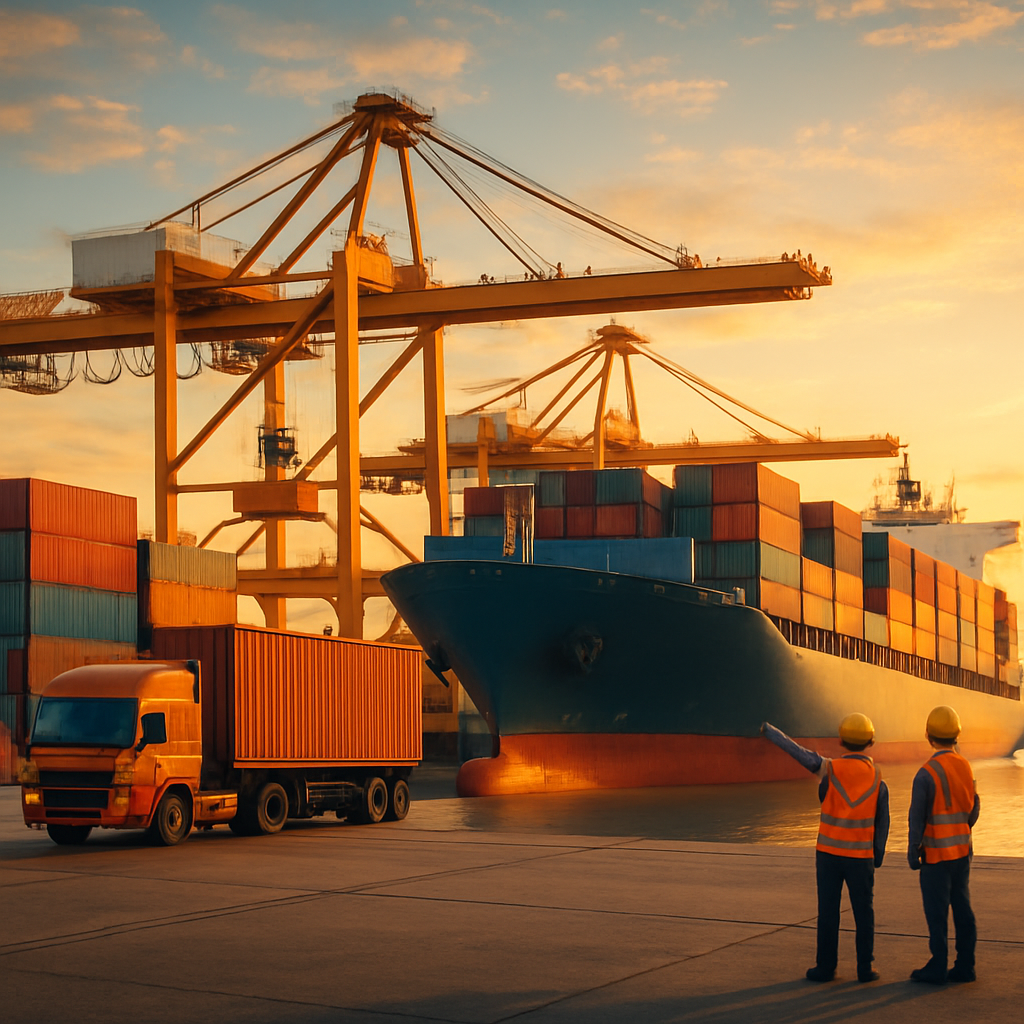
FCL Shipping Explained: Full Container Load Services in 2026
FCL Shipping Explained: Full Container Load Services in 2026 remains a central topic for U.S. importers looking to stabilise costs and reduce risk on major trade lanes. As supply chains recalibrate after years of disruption, the primary decision many logistics managers face is whether to reserve a whole container or share space with other shippers. For businesses moving steady volumes, understanding how Full Container Load works—and when it outperforms alternatives—is critical to planning reliable, compliant ocean shipping logistics.
Understanding FCL Shipping in 2026
Full Container Load shipping gives one shipper exclusive use of a container, typically 20-foot or 40-foot, for a single consignment. This model reduces handling, limits cargo mixing, and often speeds up the customs documentation process at busy U.S. gateways. In 2026, demand for predictable capacity between Asia and North America is driving renewed interest in dedicated containers. Companies pursuing tighter inventory control, including e-commerce brands and manufacturers, are reassessing container shipping options to balance freight cost against delivery performance.
How Full Container Load Services Work
The FCL process starts with container booking and documentation arranged through a carrier or freight forwarder, followed by delivery of the empty box to the exporter’s facility. Cargo is loaded, braced, and sealed before the container moves by truck or rail to the departure port and is lifted onto a vessel. At the destination, full container customs clearance is completed before the cargo is drayed to the consignee for devanning. This relatively linear, end-to-end ocean logistics flow is a key reason high-value and fragile goods often move in full containers rather than shared loads.
Comparing FCL with Other Sea Freight Solutions
When choosing container load options, the main comparison is against LCL, where shippers pay by weight or cubic metre for shared space. FCL usually becomes economical once volumes reach roughly half a 40-foot container, removing consolidation and deconsolidation delays that can complicate sea freight customs paperwork. Air freight offers speed but at a much higher cost per kilo, making it suitable for urgent or high-margin goods only. For many U.S. importers, a blended strategy—FCL for core replenishment and faster modes for exceptions—offers a pragmatic balance.
- Use FCL when cargo volume regularly approaches a half or full container and schedule reliability is critical.
- Consider LCL for low-volume or test shipments where flexibility matters more than transit consistency.
- Reserve air freight for urgent orders, product launches, or high-value parts with strict delivery windows.
- Map all import export customs steps early to avoid clearance delays at congested ports.
- Review how international container shipping services integrate tracking, reporting, and shipping documents for ocean freight.
For shippers comparing Sea Freight in US routes, evaluating service frequency, port pairings, and equipment availability is as important as headline rates. Industry resources such as the U.S. Federal Maritime Commission’s guidance on carrier practices help procurement teams ask sharper questions about reliability and surcharges, supporting more informed negotiations with providers. A capable forwarder can also translate complex rules into a clear playbook, ensuring your chosen solution aligns with both budget and compliance goals.
Because regulations, surcharges, and capacity conditions shift frequently, many businesses engage experts to design and manage their international container strategies. Specialist forwarders help compare container shipping options across carriers, advise on international container shipping services, and manage the customs documentation process end to end. They can also benchmark transit times, model cost scenarios, and coordinate international container shipping services that match your risk tolerance and growth plans. If you’re reassessing how FCL fits into your 2026 supply chain, consider speaking with a logistics specialist to review your lanes, volumes, and constraints, then map out the right mix of Full Container Load and complementary solutions for the coming year.

Related posts

Supply Chain Specialists Turnover Quickly Due COVID
From 2020-2021 due to the shipping crisis from the COVID pandemic, supply chain

Rubio’s LatAm, Panama trip focuses on ‘America First
When Marco Rubio arrives in Latin America this weekend on his first foreign trip
Impact of Carbon Emissions Rules on US Sea Freight: What Shippers Must Know
Carbon emissions regulations are rapidly transforming the sea freight landscape
