




Understanding Domestic Coastal Shipping in the USA: A Guide
Understanding Domestic & Coastal in US freight is increasingly important for cargo owners, logistics managers, and policy analysts seeking resilient, lower‑emissions transport options. Domestic coastal shipping in the USA remains a small but strategically vital part of the supply chain, especially as road congestion, driver shortages, and fuel volatility intensify. This listicle outlines seven key facts to help you assess whether coastal freight belongs in your network strategy and when it makes sense to seek specialist support.
1. Domestic Coastal Shipping Covers All Non-International US Sea Lanes
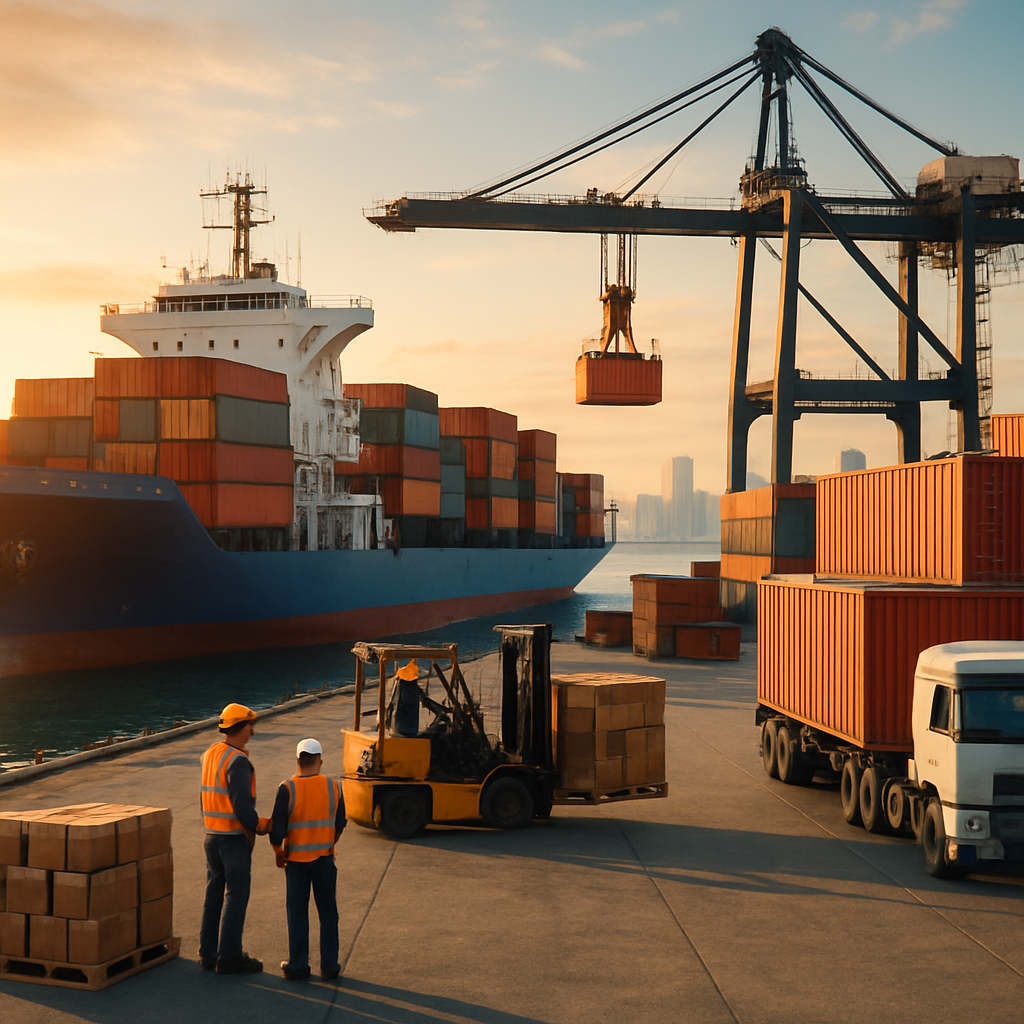
Domestic coastal shipping refers to moving cargo by water between US ports without crossing international borders. That includes Atlantic, Pacific, and Gulf routes, plus links to Alaska, Hawaii, and Puerto Rico. Typical cargoes range from bulk commodities and petroleum to building materials and some containers. For shippers exploring domestic coastal freight solutions, these lanes can offer relief from congested highways and stretched rail infrastructure while maintaining predictable long-haul capacity.
2. The Jones Act Defines Who Can Move Your Cargo
The Jones Act requires vessels serving US domestic routes to be US-built, US-owned, US-flagged, and predominantly US-crewed. Supporters view this as essential for national security and maritime jobs, while critics argue it inflates vessel and operating costs. For logistics managers comparing interstate port-to-port shipping with trucking or rail, understanding Jones Act implications is crucial to evaluating true landed cost, capacity constraints, and long-term pricing risk.
3. Coastal Shipping Is a Small but Strategic Slice of US Freight
Despite extensive coastlines, domestic waterborne transport handles only a few percent of US freight by tonnage, far behind trucking’s majority share. The Jones Act–eligible oceangoing fleet is small and aging, which limits route flexibility and frequency. Yet on certain corridors, especially energy and construction trades, coastal freight solutions can provide reliable capacity when other modes are disrupted by storms, infrastructure failures, or labour shortages.
4. Environmental and Resilience Benefits Are Often Overlooked
Ships typically emit less CO2 per ton‑mile than trucks, giving domestic coastal routes a clear sustainability edge. European short‑sea models show how shifting cargo off highways can cut congestion and emissions simultaneously. US shippers facing Scope 3 reporting requirements, or exploring coastal interstate shipping options to reduce climate risk, can use coastal services to diversify mode mix and keep freight moving when interstate corridors are gridlocked or damaged.
5. Cost, Compliance, and Ageing Assets Remain Major Frictions
Operating a compliant Jones Act vessel often costs more than running a comparable foreign‑flag ship, and US yard newbuild prices are higher. Add labour rules, port charges, and documentation, and coastal services can appear less attractive than cost-effective interstate shipping by truck, especially for time‑sensitive or modest volumes. These frictions are why many cargo owners still default to road or rail, even when ports sit directly on their main corridors.
6. Where Domestic Coastal Shipping Still Excels
Coastal routes are highly competitive for dense, regular flows of bulk and project cargo such as petroleum, aggregates, grain, and oversized equipment. They are central to energy hubs on the Gulf Coast and construction supply into fast‑growing coastal metros, as well as lifeline services to Alaska and island territories. For these flows, domestic interstate sea freight can deliver high payloads, attractive per‑ton economics over distance, and schedule reliability that over‑the‑road fleets struggle to match.
7. How to Decide if Coastal Shipping Fits Your Supply Chain
Start by mapping freight that moves consistently over 500 miles between regions with navigable ports, then compare total landed cost—including drayage and local delivery options—against your current mix. If you face recurring interstate bottlenecks, emissions targets, or exposure to extreme weather, it may be time to test interstate coastal freight services or coastal shipping delivery options on select lanes. For fleet composition and economic trends, the US Maritime Administration’s data and fact sheets at https://www.maritime.dot.gov/ provide useful context.
- Clarify which lanes have sufficient, stable volumes suitable for coastal freight.
- Benchmark end‑to‑end transit times and handling requirements against current modes.
- Model emissions reductions to support ESG reporting and stakeholder expectations.
- Assess port infrastructure, local coastal cargo delivery options, and weather risks.
- Engage a domestic maritime specialist to evaluate vessel availability and compliance.
If you’re weighing domestic coastal freight solutions against road and rail, a detailed lane‑by‑lane review can reveal hidden savings and resilience gains. Speak with a US maritime logistics specialist today to analyse your corridors, pressure‑test demand scenarios, and design tailored coastal freight solutions that align with your cost, service, and sustainability goals.

Related posts
Ship Orders Surge as Carriers Rush to Add Capacity
Global shipyards that were retrenching and consolidating in a faltering maritime
Seasonal Measures: Brown Marmorated Stink Bug (BMSB)
Seasonal Measures: Brown Marmorated Stink Bug (BMSB) It is important to ackno
Only 35% of Shipping Giants Aim To Be Zero Carbon
Latest statistics report that only 35% (33 out of 94) of the major global shippi
