





The Rise of International Air Freight Forwarding in 2026
International Air Freight Forwarding in 2026 is evolving rapidly as e-commerce growth, digital platforms, and sustainability expectations reshape how businesses move goods worldwide. For companies comparing providers for Air freight in the US and abroad, competitive differentiation no longer hinges on price alone. Instead, decision-makers are assessing which partners offer end-to-end visibility, reliable capacity, and data-driven planning that supports resilient cross-border freight logistics.
The Rise of International Air Freight Forwarding in 2026
International Air Freight Forwarding in 2026 is defined by more disciplined capacity management and smarter use of technology. While demand is supported by resilient sectors such as high-tech, pharmaceuticals, and urgent shipment logistics for e-commerce, capacity imbalances still occur across key trade lanes. Shippers therefore prioritise forwarders that can balance cost and reliability, offering transparent schedules, clear escalation paths, and proactive disruption management rather than relying solely on static contracts and manual status checks.
Beyond basic transit, businesses now expect their forwarding partners to coordinate global air freight shipping as part of an integrated multimodal strategy. This means aligning uplift windows with warehouse operations, customs clearance, and last-mile distribution to minimise dwell times and avoid storage penalties. Providers that combine strong airline relationships with agile International cargo shipping solutions are better positioned to secure space when markets tighten. This capability is particularly valuable for sectors with strict launch dates, seasonal peaks, or sensitive inventory positions.
- Ability to secure capacity during peak demand on core trade lanes.
- Use of integrated digital platforms for booking, tracking, and documentation.
- Expertise in customs, security, and commodity-specific regulations.
- Transparent communication on delays, rerouting, and risk management.
- Structured approach to sustainability, including measurable carbon reporting.
Technology-Led Differentiation and Real-Time Visibility
Technology is now a core differentiator in International Air Freight Forwarding in 2026, separating providers that simply move freight from those that actively manage supply chain risk. Leading forwarders offer digital dashboards, API integrations, and automated notifications that cover booking, uplift, customs milestones, and proof of delivery. This reduces manual follow-up, supports time-critical shipment planning, and helps teams make faster decisions when demand fluctuates or routes are disrupted by regulatory or geopolitical events.
Service Quality, Compliance, and Sustainable Options
Service quality increasingly includes compliance and environmental performance alongside speed. Specialist teams handle dangerous goods, temperature-controlled healthcare products, and high-value electronics within international express air service networks, ensuring adherence to IATA guidelines and local rules. Many shippers now request an air freight cost breakdown that clarifies fuel, security, terminal handling, and surcharge components, improving transparency and supporting internal budgeting. Sustainability expectations are also rising, with more organisations asking about SAF programmes and verified emissions data.
- Dedicated compliance and quality teams for regulated industries.
- Clear escalation paths for urgent international air cargo and disruptions.
- Capability to design priority cargo air transport with defined service levels.
- Use of data analytics for air freight rate optimization and forecasting.
- Documented sustainability initiatives aligned with recognised aviation standards.
When comparing providers, buyers should ask targeted questions about network strengths, digital tools, and how Air freight pricing factors are managed across seasons. Reviewing independent data, such as IATA’s air cargo market analysis at https://www.iata.org/en/publications/store/air-cargo-monthly-analysis/, can help benchmark performance expectations and understand broader capacity trends. From there, businesses can evaluate which partners offer consistent air freight cost breakdown transparency, responsive customer support, and proven experience coordinating priority cargo air transport across complex trade lanes. To move forward with confidence, engage specialists, request data-backed proposals, and align your next tender or review cycle to ensure your International Air Freight Forwarding in 2026 strategy supports resilient growth.

Related posts
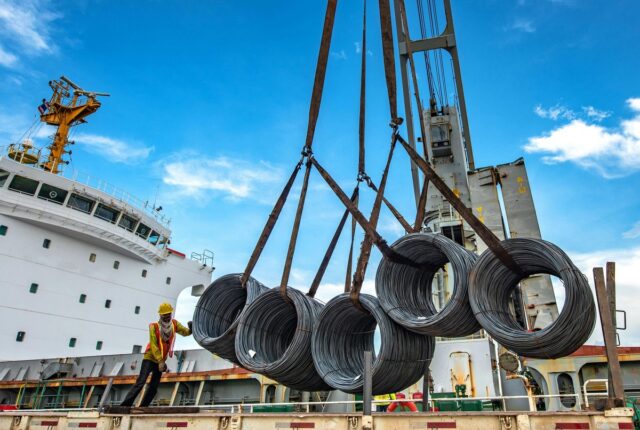
Steel and aluminum next in Trump’s tariff push
China’s retaliatory tariffs on some American goods came into effect on Monday,
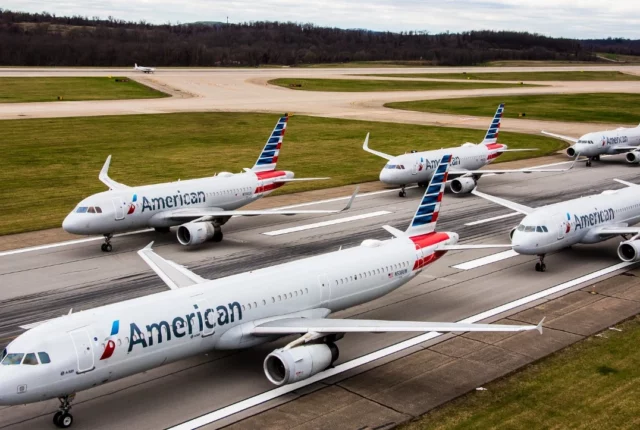
How Rising Aviation Fuel Prices Are Affecting Air Freight Costs Across the United States
When aviation fuel prices rise, the effects go far beyond airports and airlines.
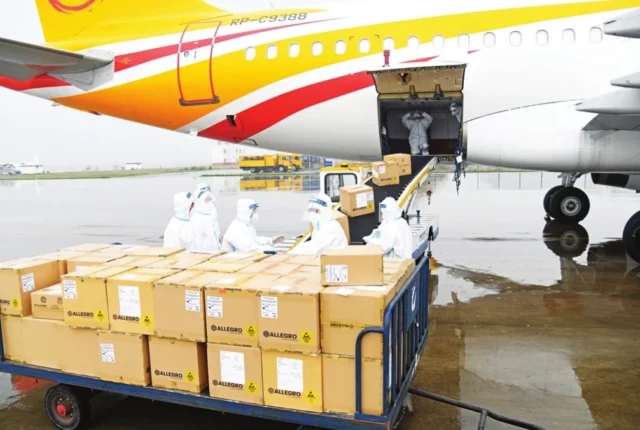
China and US Seek Alternatives as Ecommerce Air Trade Plunges
The numbers are brutal: 245% tariffs slapped on select Chinese goods by the U.S.
