




Understanding Rail Freight Services in the USA: A 2026 Guide
Understanding Rail Freight in US markets has become essential for shippers wrestling with rising truck rates, port congestion, and decarbonisation targets. As railroads modernise their networks and visibility tools in 2026, more manufacturers, importers, and 3PLs are revisiting rail as a core mode rather than a backup. This guide outlines seven essentials to help you judge when rail makes sense, how to compare costs, and what to ask before committing freight to the network.
1. Know the Core Service Types
Most shippers will interact with three rail options: traditional carload, intermodal, and dedicated unit trains. Carload suits bulk commodities, chemicals, and metals moving between rail-served facilities, while intermodal shipping services handle containers and trailers between ramps. Unit trains support high-volume lanes like grain or petroleum. Understanding these service types upfront helps you decide whether you need flexible spot capacity, scheduled intermodal rail shipping services, or long-term contracts to secure rates and equipment.
2. Match Rail Lanes to Distance and Volume
Rail is most competitive for corridors of roughly 550 to 1,500 miles and beyond, especially when you can consolidate into full containers or consistent weekly volumes. Short-haul moves often favour trucks, but dense lanes linking ports and inland hubs increasingly support domestic rail freight solutions. By mapping your logistics and supply chain flows, you can pinpoint where transit times remain acceptable while costs and emissions fall meaningfully compared with over-the-road options.
3. Understand the Cost Structure
Headline rail rates often look cheaper than trucking, but accessorials can quickly change the maths. Drayage, ramp fees, storage, and chassis charges all affect total landed cost. Experienced providers in rail-based freight logistics model these variables lane by lane so you can see break-even distances and sensitivity to dwell time. This transparency is vital for budgeting, especially when comparing rail freight transportation solutions with time-sensitive truckload or expedited services.
4. Factor in Emissions and ESG Reporting
For many shippers, sustainability is now a board-level metric, not a marketing slogan. Rail can be significantly more fuel efficient per ton-mile than trucks, helping support sustainable rail transportation options without sacrificing reliability. Authoritative sources such as the Association of American Railroads publish independent data on fuel efficiency and emissions to support ESG reporting. As investors and customers push for science-based targets, mode-shift to rail becomes a practical lever with measurable impact.
5. Plan for Operational Realities
New rail users often underestimate cut-off times and terminal congestion. Missing a departure can delay your load by a full day, and weather or labour issues may cascade across multiple states. Effective rail logistics and supply chain planning requires tight coordination between shipping facilities, dray carriers, and rail ramps. Clear documentation, accurate weights, and realistic lead times are essential to avoid storage fees, demurrage, and service failures that erode savings.
- Clarify which lanes suit intermodal rail logistics services versus direct carload.
- Confirm visibility tools, including GPS tracking and predictive ETAs.
- Review escalation paths for disruptions and terminal issues.
- Assess experience with end-to-end rail freight solutions across modes.
- Request case studies for similar freight transportation solutions in your sector.
Choosing a partner that understands Rail Freight in US corridors can transform rail from a tactical experiment into a strategic advantage. Look for a team that can design intermodal rail shipping services, integrate rail milestones into your TMS, and support end-to-end rail freight solutions from origin to final delivery. If you’re ready to benchmark your network, explore rail-based cost and emissions savings, and build a phased rollout plan, speak with a specialist today to request a tailored rail freight assessment and quote.

Related posts
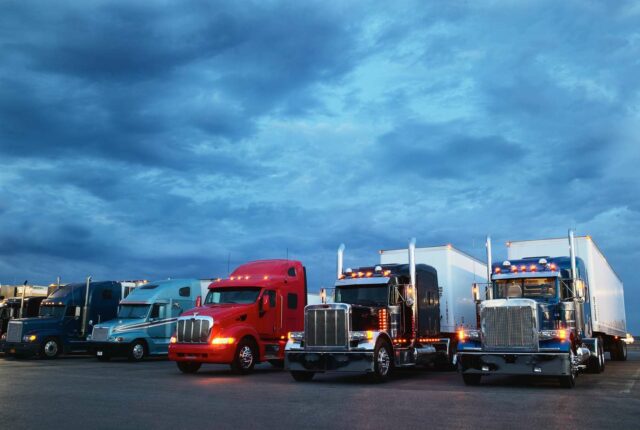
Rail vs. Trucking in the U.S.: Choosing the Right Freight Option
Freight transportation is the backbone of American commerce. Whether it’s
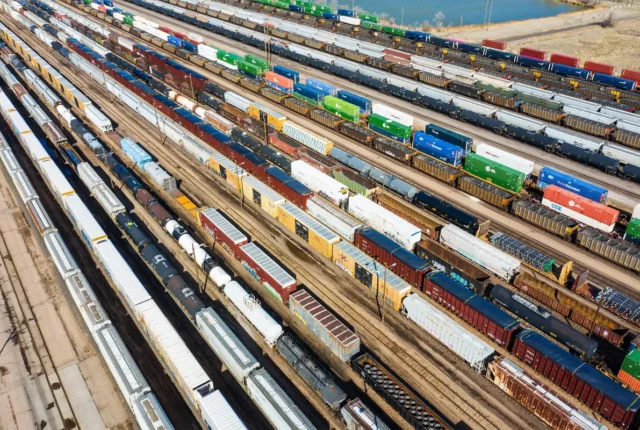
Investing in the Future of US Rail Freight Infrastructure
The US rail freight system has long been the backbone of the nation’s economy,
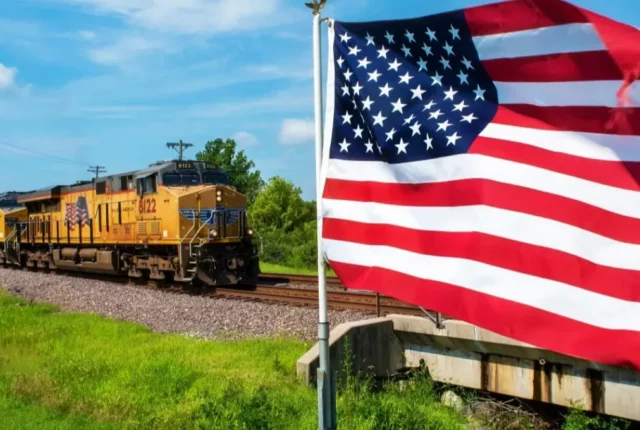
A Shipper’s Guide to Rail Freight Logistics in the USA
Rail freight logistics in the United States is a crucial component of the nation
