




Understanding Air Freight Services in the USA: A 2026 Guide
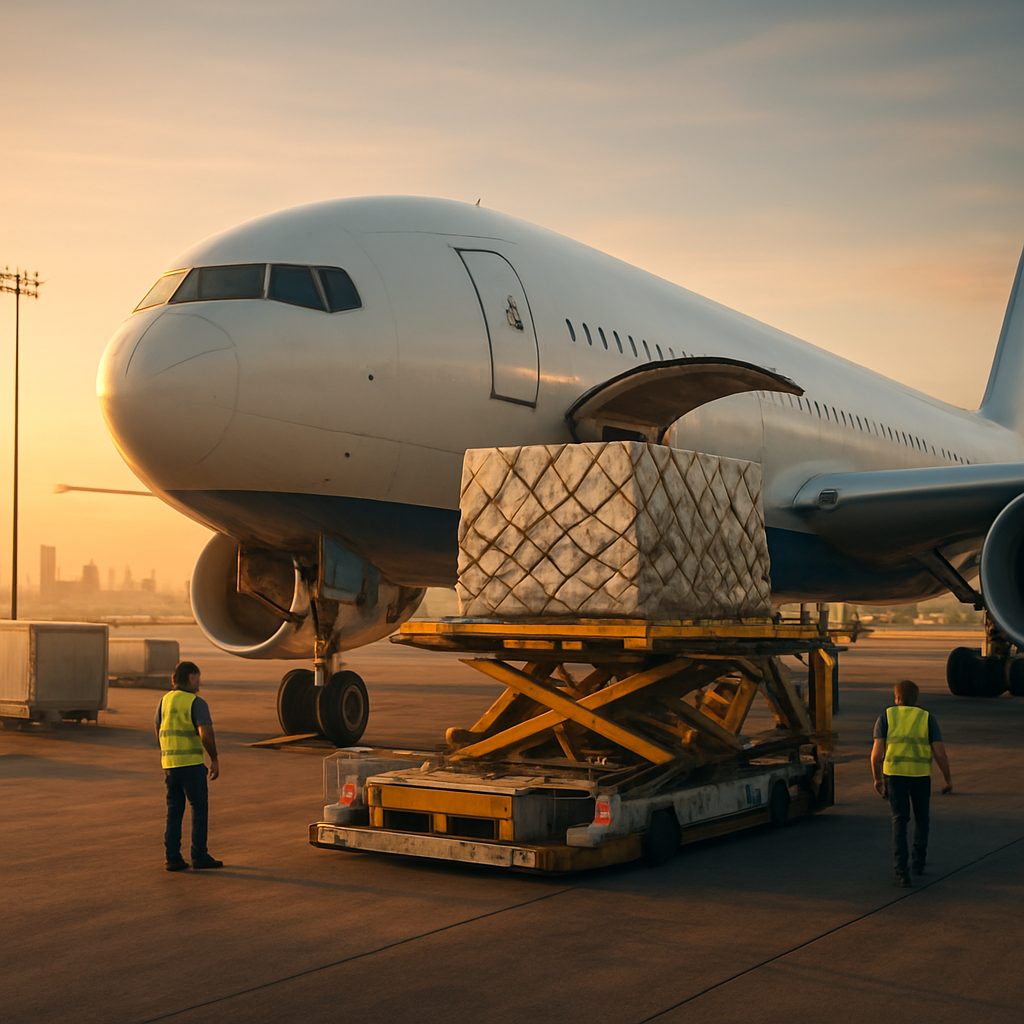
Understanding Air freight in the US is essential for businesses that depend on fast, reliable transport for high-value goods. Air freight services move cargo on dedicated freighter aircraft or in the belly of passenger flights, offering significantly shorter transit times than ocean or road transport. This mode is particularly suited to electronics, pharmaceuticals, medical devices, and other time-sensitive shipments where delays can disrupt production or customer commitments.
What is air freight and when does it make sense?
Air freight refers to the movement of commercial cargo by air, domestically and through international air freight shipping networks. It is most appropriate when delivery speed, reliability, and product value outweigh the higher cost per kilogram compared with other modes. Businesses often choose air for product launches, spare parts, and perishables that cannot tolerate long transit times. It is also a key component of time-critical shipment planning for just-in-time inventory models.
How air freight services work in the USA
Most shippers work with a freight forwarder or integrator to manage global air cargo logistics from door to door. The process begins with sharing shipment weight, dimensions, commodity, and deadlines so providers can propose express, standard, or deferred services. Providers then coordinate pick-up, export documentation, security screening, and flight booking through hubs such as Chicago O’Hare, Los Angeles, JFK, Dallas/Fort Worth, and Miami. For complex routes and urgent air freight solutions, professional planning reduces the risk of delays and unexpected costs.
Key regulations, security, and screening requirements
In the United States, all cargo loaded on passenger aircraft must be screened to stringent Transportation Security Administration standards. Approved facilities and airlines use technologies such as advanced X-ray and computed tomography to keep freight moving while maintaining security. Shippers handling dangerous goods or lithium batteries must follow detailed IATA and ICAO rules and maintain accurate documentation. Reviewing official guidance from the U.S. Department of Homeland Security at https://www.dhs.gov/ helps ensure compliance and minimises disruption during international cargo shipping.
Costs, planning, and choosing a partner
Understanding air freight pricing factors is vital for accurate budgeting and comparisons between carriers. A transparent air freight cost breakdown should cover base rates, fuel surcharges, security fees, and any special handling charges. Skilled forwarders support air freight rate optimization by selecting suitable routes, consolidations, and service levels that balance speed and price. When evaluating partners, consider their experience with urgent shipment logistics, express international cargo services, and urgent air cargo coordination, as well as their ability to provide clear guidance on air freight in the US.
Before booking, think about shipment value, deadlines, packaging, and the impact of potential delays on your operations. Businesses shipping high-tech equipment or pharmaceuticals often benefit from providers with strong tracking systems and 24/7 support for urgent air freight solutions. If you are comparing options for international air freight shipping, ask about contingency plans, typical transit times, and how providers handle disruptions. To deepen your understanding and make confident decisions, speak with an air logistics expert who can walk you through planning, documentation, and mode selection for your next shipment.

Related posts
Altitude and Efficiency: Maximizing Productivity in Air Freight Operations
Air freight operations are a critical component of the global supply chain, and

E-commerce Takes Flight: The Role of Air Freight in Online Shopping
In the rapidly evolving world of online shopping, the interplay between technolo

U.S. Air Freight in 2026: Can Capacity Keep Up with E-Commerce Growth?
In 2026, E-commerce demand continues to reshape how goods move across and into
