




Top Trends in Third-Party Logistics Warehousing for 2026
The race to modernise Warehousing in US is intensifying, and many shippers still do not realise how far the leaders have pulled ahead. As 2026 approaches, automation, AI and advanced data tools are rapidly becoming standard in third-party logistics, not experimental extras. Yet a large share of businesses remain locked into manual processes and legacy facilities that cannot adapt to sudden demand swings or rising customer expectations.
- Hidden costs from inefficient warehouse layouts and outdated processes
- Limited real-time visibility into orders, inventory and carrier performance
- Contract terms that restrict growth and flexibility during market shifts
- Increased risk of errors, chargebacks and customer dissatisfaction
- Exposure to compliance, cybersecurity and sustainability gaps
The Rising Risk of Standing Still in US Warehousing
Across the United States, warehouse utilisation has tightened, automation investments have surged and customers expect faster, more reliable fulfillment. Businesses clinging to paper-based picking or basic barcode workflows are discovering that “good enough” facilities can quickly become bottlenecks. These gaps erode supply chain efficiency, drive up labour costs and reduce resilience when demand spikes, transport routes change or product portfolios expand.
Automation, AI and the New Baseline for 3PL Facilities
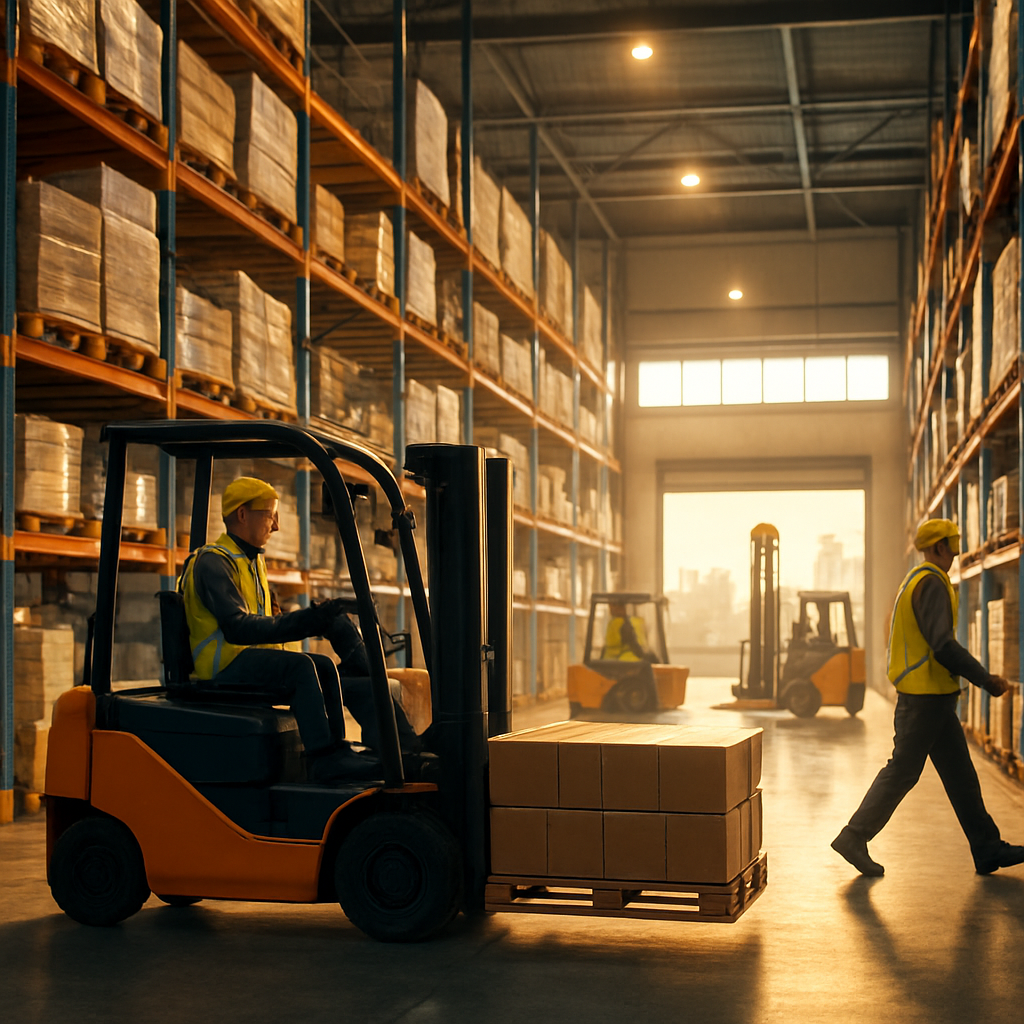
Leading providers now integrate autonomous mobile robots, goods-to-person systems and AI-driven orchestration into cohesive operations. These technologies increase throughput, reduce errors and support more flexible warehouse storage options when product mixes shift. In contrast, sites that rely on forklifts, manual pallet moves and static racking struggle to scale. They often lack the data needed to pursue inventory optimization for efficiency or to model future scenarios with any confidence.
Legacy Systems, Data Blind Spots and Contract Lock-In
Older warehouse management systems frequently sit at the heart of the problem. They may not support modern APIs, making it hard to roll out logistics management solutions across multiple sales channels or regions. Teams resort to spreadsheets and email updates, which slow decisions and hide early signs of trouble. When these issues are coupled with rigid contracts, even strong third party logistics management partners can become a constraint instead of an enabler.
Capacity Volatility, Compliance Pressure and Emerging Risks
Recent years have shown how quickly warehouse capacity can swing from slack to constrained, especially as manufacturers nearshore and diversify inventory storage options. Operations tied to a single coastal facility may face surcharges, stockouts or long lead times when conditions change. At the same time, gaps in cybersecurity, product traceability or temperature control can expose companies to penalties and damage customer trust, as highlighted in research from the Council of Supply Chain Management Professionals at https://cscmp.org.
Warning signs that your current arrangement is falling behind include frequent inventory discrepancies, recurring charge disputes and slow onboarding for new products or channels. Difficulty accessing real-time performance metrics makes it hard to design robust supply chain efficiency strategies or evaluate end to end logistics solutions objectively. If your provider downplays automation, AI or data security, it may indicate they are not investing at the pace the market now demands.
Call to action: Take time now to review your 3PL warehousing performance, technology stack and contract terms. If you spot the warning signs outlined above, speak with a logistics expert about options to modernise your network before tighter capacity and rising expectations turn today’s inefficiencies into tomorrow’s disruptions.

Related posts
Labor Shortages in U.S. Warehouses: How Automation Is Filling the Gap
The warehousing industry across the United States is confronting significant lab
How Pick and Pack Fulfillment Boosts Ecommerce Efficiency
Discover how optimized pick and pack fulfillment and Warehousing in US streamlin
Why Cold Storage Demand Is Surging Across the U.S. Warehousing Sector
The explosive growth of online shopping—and particularly perishable grocery de
