




Bonded Warehousing Explained: What You Need to Know
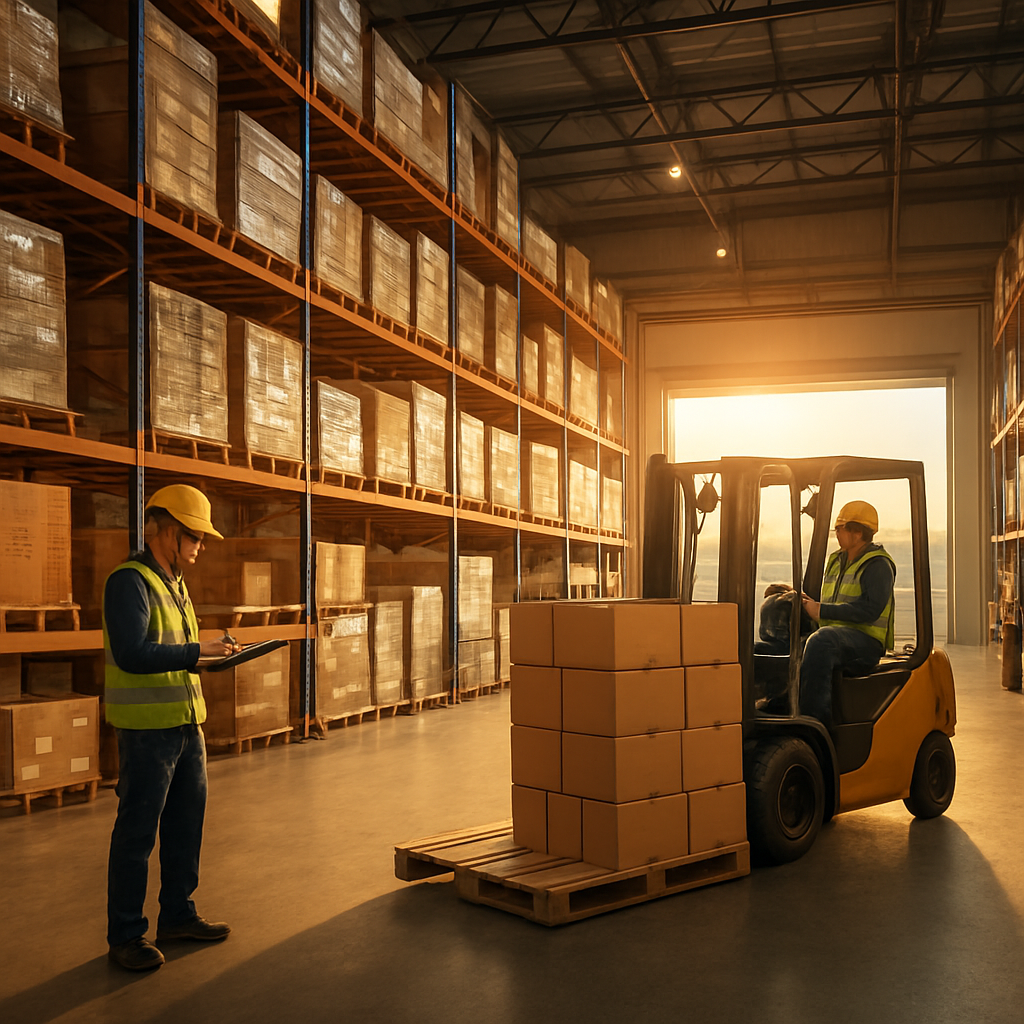
Bonded warehousing plays a pivotal role in modern supply chains by allowing importers to defer duties while maintaining full control over their inbound freight. For companies evaluating Warehousing in US, understanding how bonded facilities operate is essential to selecting a partner that can genuinely enhance working capital, compliance, and supply chain efficiency rather than simply providing extra floor space.
Understanding Bonded Warehousing in the U.S.
Unlike conventional storage, a bonded warehouse is authorised and supervised by U.S. Customs and Border Protection, enabling secure bonded inventory storage for imported goods. Duties and taxes are postponed until products enter U.S. commerce or are re-exported, which protects cash flow during slower sales periods. This structure is particularly valuable for businesses that manage complex international flows or rely on varied inventory storage options across multiple markets.
The best providers go beyond basic compliance by integrating bonded operations into broader logistics management solutions. They offer real-time visibility of inventory status, clear audit trails, and disciplined record-keeping to support customs audits. This combination of regulatory rigour and operational transparency distinguishes premium bonded facilities from standard third-party warehouses that focus solely on storage and throughput.
Key Advantages Over Conventional Warehouse Providers
In a non-bonded facility, duties are payable as soon as goods clear customs, regardless of when they are sold or re-exported. Bonded warehousing allows importers to delay or reduce these charges, creating a financial buffer that can be reinvested in stock, market expansion, or supply chain performance improvement. This is particularly important for high-value items or products with volatile demand profiles.
Specialised bonded operators also support flexible warehouse storage options, including segregation by customs status, batch, or country of origin. This level of control allows businesses to prioritise the release of specific lots based on duty rates, shelf life, or customer commitments. Combined with integrated warehousing logistics systems, these capabilities help companies make more precise, data-driven decisions about how and when to move inventory into the U.S. market.
- Deferred duty payments aligned with actual sales and export decisions
- Enhanced customs compliance supported by audited processes and systems
- Secure, access-controlled environments that protect bonded stock
- Configurable storage strategies tailored to product type and demand volatility
- Improved cash flow and working capital compared with standard warehousing
Types of U.S. Customs Bonded Warehouses and Their Uses
Customs-bonded facilities in the United States are classified into multiple categories, ranging from public multi-client sites to highly specialised manufacturing warehouses. Public bonded warehouses typically serve diverse shippers that need scalable logistics and warehousing solutions without investing in their own infrastructure. These operations are ideal for importers seeking predictable costs and professional customs oversight.
How Leading Providers Create Competitive Differentiation
Advanced bonded operators differentiate themselves through technology, process discipline, and consultative expertise. They provide custom logistics management support that aligns bonded activities with broader supply chain optimization services, ensuring duty planning, transportation, and distribution are managed as a single continuum. This holistic approach reduces handoffs and errors that can otherwise slow down clearance or distort landed cost calculations.
- Integrated warehouse management systems with real-time customs status visibility
- Data-driven analysis to support route design and supply chain optimization services
- Process automation that improves warehouse efficiency and accuracy for bonded stock
- Specialist teams experienced in multi-country routing and duty mitigation strategies
- Alignment with recognised best practices from U.S. Customs and Border Protection guidance
For importers comparing providers, it is important to consider not just storage costs but the broader impact on risk, compliance, and supply chain resilience. Reviewing official guidance from U.S. Customs and Border Protection at https://www.cbp.gov/trade/basic-import-export/bonded can help you assess whether a prospective partner’s processes meet regulatory expectations. When you are ready to evaluate your options for Warehousing in US, speak with a bonded warehousing specialist who can review your current flows, identify duty-saving opportunities, and design a tailored solution that supports long-term growth.

Related posts
Short-Term vs Long-Term Storage: Choosing the Right Option
Compare short-term vs long-term storage for warehousing in US. Learn costs, flex
The Rise of Smart Warehousing in the USA
Warehousing in the USA is undergoing a seismic shift, transitioning from traditi
Labor Shortages in U.S. Warehouses: How Automation Is Filling the Gap
The warehousing industry across the United States is confronting significant lab
