




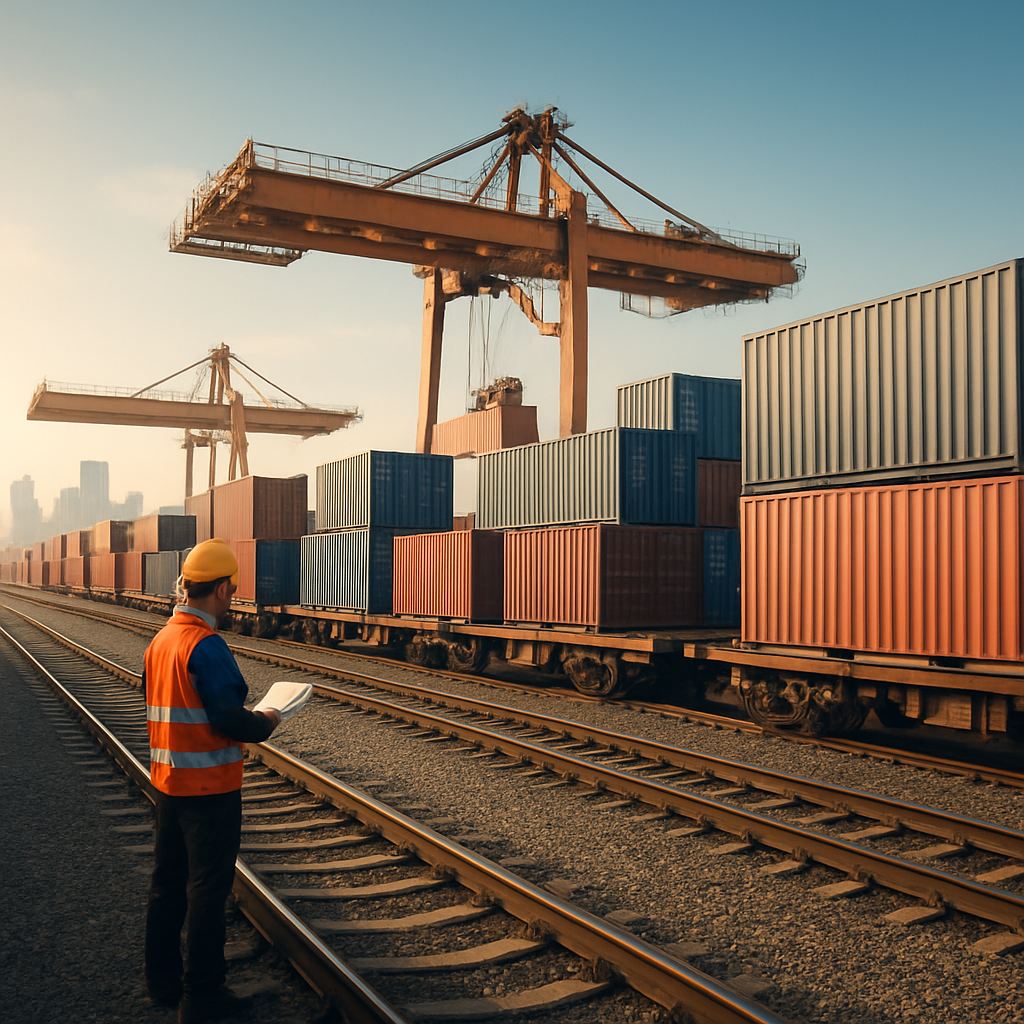
Rail Freight Forwarding: Streamlining Your Logistics in 2026
Rail Freight Forwarding: Streamlining Your Logistics in 2026 requires a clear understanding of how Rail Freight in US has evolved into a strategic, high-performance option for long-haul movements. For shippers evaluating freight transportation solutions, the real point of differentiation now lies in how forwarders integrate rail into broader logistics and supply chain strategies rather than simply buying space on trains. This article outlines the capabilities that distinguish specialist providers and how they create measurable value versus truck-only or traditional brokerage models.
Rail Freight Forwarding in 2026: A Strategic Advantage
By 2026, rail freight transportation is a growth engine for shippers seeking predictable capacity on dense domestic corridors. Specialist forwarders combine intermodal shipping services, data, and engineering expertise to design routings that balance transit time, cost, and resilience. Unlike transactional brokers, they analyse lanes over 750–1,000 miles where rail delivers superior fuel efficiency and cost per ton-mile. This deliberate network design supports long-term planning instead of reactive spot-market decisions.
What separates advanced rail logistics solutions from conventional offerings is the depth of planning applied before the first container moves. Experienced teams assess volume profiles, seasonality, service-level expectations, and equipment needs to create lane-specific playbooks. These playbooks define which railroads, ramps, and drayage partners to use under varying conditions, reducing surprises when demand spikes or disruptions occur. The result is a more stable and transparent operating environment for shippers and their customers.
How Specialist Rail Forwarders Outperform Truck-Only Approaches
Compared with truck-only strategies, rail-based providers emphasise engineered capacity and multimodal flexibility. They build intermodal rail logistics solutions that fuse reliable line-haul rail with tightly managed first- and last-mile trucking. This integrated approach allows shippers to protect line-haul cost efficiency while still meeting delivery windows at DCs, plants, and retail facilities. Forwarders orchestrate appointments, ramp cut-offs, and yard flows to prevent bottlenecks that erode savings.
- Door-to-door scheduling that synchronises rail departures with drayage pick-ups and deliveries
- Standardised operating procedures across origins, ramps, and destinations
- Consolidation strategies for smaller flows to access rail economies of scale
- Service-level tiers, from economy to expedited rail options, matched to shipment priority
- Scenario planning that tests performance under volume surges or network disruptions
Technology, Visibility, and Measurable Performance
Modern rail freight transportation solutions are defined by their digital backbone. Leading forwarders provide real-time visibility, EDI integration, and predictive ETAs that let shippers plan labour, dock schedules, and downstream distribution with confidence. Exception management is proactive: teams monitor route performance, intervene early when dwell or weather threaten service, and communicate clearly before issues affect customers. This level of transparency sets them apart from legacy models relying on periodic manual updates.
Decision Factors When Choosing a Rail Freight Partner
When evaluating providers, shippers should look beyond price and compare how each partner addresses supply chain freight planning, risk management, and continuous improvement. Consider their experience across commodities, their access to multiple Class I railroads, and whether they offer true end-to-end rail logistics that link planning, execution, and performance analytics. Independent resources such as the Association of American Railroads’ market data at aar.org can provide useful context on capacity, safety, and efficiency benchmarks.
- Depth of engineering talent dedicated to rail-based supply chain optimization
- Strength and redundancy of intermodal rail partnerships across key corridors
- Quality of shipment visibility tools and integration with existing TMS platforms
- Structured approach to claims, demurrage mitigation, and accessorial control
- Proven case studies for domestic intermodal shipping and complex lane design
Ultimately, the forwarders that stand out in Rail Freight in US combine technical network design, disciplined execution, and consultative support into one cohesive service. They help shippers shift suitable freight from road to rail without sacrificing reliability, while advancing ESG goals and cost control. To assess whether a rail-focused strategy is right for your organisation, compare providers on their ability to deliver intermodal shipping services that are transparent, data-driven, and tailored to your operating model, then engage their team for a detailed lane review and implementation roadmap.

Related posts
Domestic Rail Freight Shipping: Key Trends for Businesses in 2026
Explore how domestic rail freight shipping trends in 2026—intermodal growth, a
Digital Tracks: The Impact of Technology on Rail Freight Efficiency
In the fast-paced realm of logistics, the convergence of technology and rail fre
A Shipper’s Guide to Rail Freight Logistics in the USA
Rail freight logistics in the United States is a crucial component of the nation
