




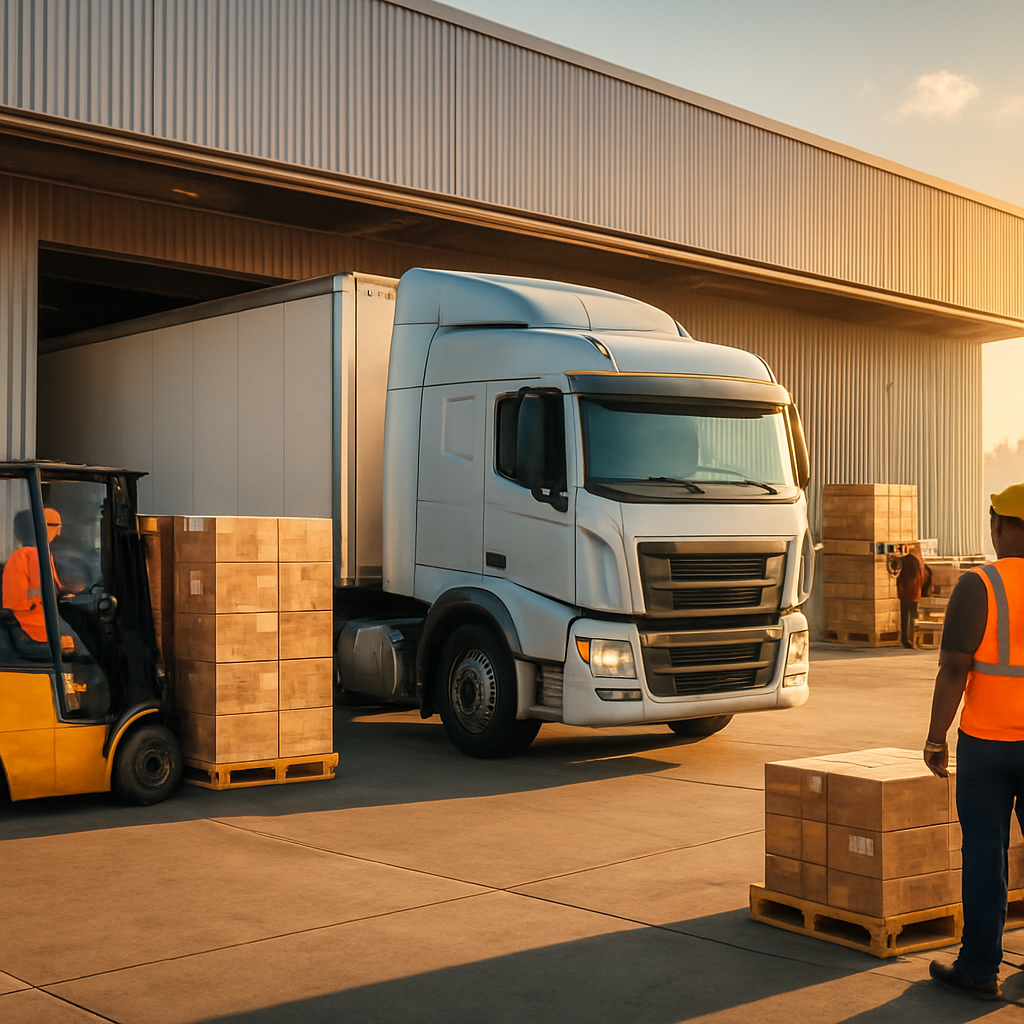
Door-to-Door Road Freight: Simplifying Your Shipping Needs
Door-to-door road freight in the United States has become a strategic differentiator for companies that need predictable, tightly managed ground transport. As supply chains face pressure from rising customer expectations and complex fulfilment models, businesses are moving away from fragmented freight transportation services and towards integrated solutions that remove handoffs and uncertainty.
Door-to-Door Road Freight: Primary Competitive Advantages
The core difference with door to door freight transportation is that one provider manages the full journey, from pickup at your facility to final delivery at the consignee’s dock. This single-ownership model simplifies communication, centralises accountability, and supports more accurate planning. For shippers comparing cargo delivery options, it reduces the risk that delays or damage will be lost between multiple carriers or agents.
Because the same provider controls each step, they can align capacity planning, routing, and appointment scheduling more effectively. That enables domestic freight transportation options that are better matched to your specific lanes, volume patterns, and service requirements. In practice, this often means fewer delays at loading points, better coordination with warehouse teams, and more reliable road cargo delivery to end customers.
Leading door-to-door providers also differentiate by how they use technology to improve visibility and reliability. Advanced road-based logistics and shipping platforms combine GPS tracking, automated ETA updates, and digital proof of delivery into one interface. This allows operations managers to monitor shipments in real time, adjust downstream activities, and share proactive updates with customers and internal stakeholders.
- End-to-end control from origin pickup through final delivery
- Single point of contact for planning, execution, and issue resolution
- Integrated tracking and consistent digital documentation
- Aligned capacity and routing across all shipment legs
- Standardised service levels and performance metrics
Service Quality, Process Discipline, and Operational Transparency
Beyond technology, process discipline is a major separator between transactional carriers and business-focused freight transport specialists. Structured load planning, driver training, and safety compliance reduce incidents and claims. Clear escalation paths and 24/7 operations centres ensure that when exceptions occur, they are managed quickly and communicated clearly, rather than discovered after customers escalate issues.
Balancing Cost, Flexibility, and Risk
While cost remains central, organisations increasingly look for cost-effective cargo delivery options that also minimise operational risk. A provider that explains accessorial charges, fuel surcharges, and service tiers up front helps you compare total landed cost rather than just base rates. Flexible truckload logistics and shipping solutions, including expedited runs, scheduled milk runs, and partial loads, enable you to align service levels with shipment value and urgency.
- Transparent pricing structures and predictable invoices
- Configurable service tiers for different shipment profiles
- Capacity planning to support peak seasons and promotions
- Use of performance data to refine lanes and schedules
- Integration with broader logistics and shipping solutions
For shippers evaluating Road Freight in US providers, safety and compliance data from the Federal Motor Carrier Safety Administration at https://safer.fmcsa.dot.gov can support more objective comparisons. Reviewing on-time performance, claims ratios, and how each provider manages interstate cargo delivery services will clarify which partners can truly support long-term growth.
If you are ready to reassess your current road strategy, start by mapping your typical lanes, volumes, and service issues, then compare providers on how well their door-to-door models address those specific needs. Engage with a team that can walk you through their processes, demonstrate how they manage risk, and design tailored interstate and regional solutions so you can move forward with confidence.

Related posts
The Role of Artificial Intelligence in Road Freight Optimization
The logistics industry plays a vital role in the global economy, ensuring the ef
Full Truckload Shipping Explained: When to Choose FTL
Understand when Full Truckload shipping is the smartest choice, how FTL compares
Driver Safety: Comprehensive Road Freight Security Measures
In today’s fast-paced world of logistics, driver safety goes beyond naviga
