




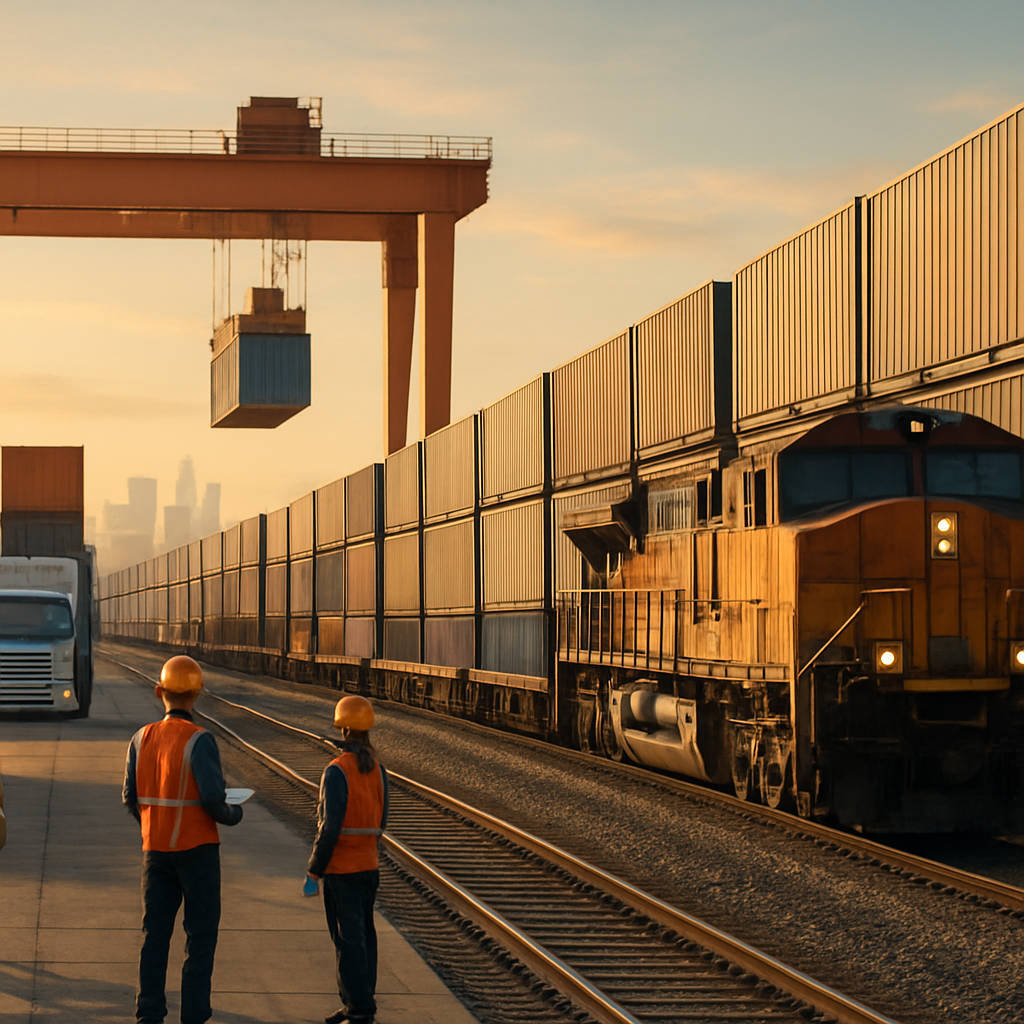
Bulk Rail Freight Transport: Maximizing Efficiency in 2026
Bulk rail freight transport is becoming a strategic priority for shippers who need reliable, high-volume capacity without losing control of cost or visibility. In 2026, many US businesses are reassessing their mode mix and discovering that well-managed rail can stabilise budgets, strengthen resilience, and reduce uncertainty. The key to feeling confident is understanding how modern providers design freight transportation solutions that are transparent, predictable, and aligned with your long-term goals.
“Trust in bulk rail is built when shippers know exactly how the service works, what performance to expect, and how issues will be managed before a single wagon is loaded.”
Bulk Rail Freight Transport: Maximizing Efficiency in 2026
Bulk rail freight transport delivers efficiency by moving hundreds of truckloads in a single consist while maintaining predictable schedules. Rail providers now combine unit trains, precision routing, and disciplined terminal operations to keep product flowing on 1,000–2,000 mile lanes. For shippers managing complex logistics and supply chain networks, this means fewer tender cycles, less exposure to driver shortages, and more stable capacity. When a provider shares clear service standards, transit benchmarks, and escalation paths upfront, it becomes much easier to commit volume with confidence.
Understanding the Value of Bulk Rail Freight in 2026
Modern Rail Freight in US operations are supported by extensive capital investment in track, signalling, and rolling stock, which directly improves safety and reliability. A reputable provider will explain how they manage long-distance rail cargo transport, from train planning and yard sequencing to wagon inspection and loading protocols. This level of transparency helps demystify rail for teams used to truckload, showing exactly where handoffs occur and who is accountable. It also highlights how cost-effective rail freight options can reduce fuel spend and emissions without sacrificing schedule integrity.
How Bulk Rail Providers Build Trust and Reduce Risk
Trust grows when shippers see consistent processes backed by real data. Leading rail carriers provide digital portals and EDI connections for real-time milestones, exception alerts, and post-trip reporting. This supports integrated rail logistics planning, giving your planners the same visibility they expect from road carriers. Many providers also publish safety metrics, compliance records, and maintenance schedules, allowing you to evaluate their performance objectively. By aligning rail freight transportation strategies with your service commitments to customers, you reduce the risk of surprises downstream.
For businesses exploring domestic rail shipping services, it helps to walk through a specific onboarding example. A credible provider will start with commodity profiling, site assessments, and volume forecasts, then design intermodal rail freight solutions where needed to bridge first and last mile. They will agree on KPIs, communication protocols, and contingency plans before launch, documenting everything so internal stakeholders feel secure. Independent resources such as the Association of American Railroads’ data on safety and fuel efficiency (https://www.aar.org) can further validate the benefits of sustainable rail logistics services and reinforce your business case.
When you are ready to strengthen your network, look for a partner who can explain their rail-based supply chain optimization approach in clear, practical terms, not just marketing claims. Ask how they manage handoffs with truck carriers, what visibility tools you will use day to day, and how they recover from weather or network disruptions. A provider that answers directly, shares performance history, and invites detailed questions is far more likely to deliver dependable results. To review your options and design a tailored bulk rail strategy for 2026 and beyond, speak with our team today and explore how intermodal shipping services can support your next stage of growth.

Related posts
Rail vs Road: Best Freight Forwarding Options Explored
When it comes to moving goods, the choice between rail and road isn’t just
Green Rails: Sustainable Practices in Rail Freight Transport
In an era where environmental consciousness is paramount, the railway industry h
Container Rail Freight in 2026: What You Need to Know
Understand the key risks, trends, and warning signs in container rail freight in
