




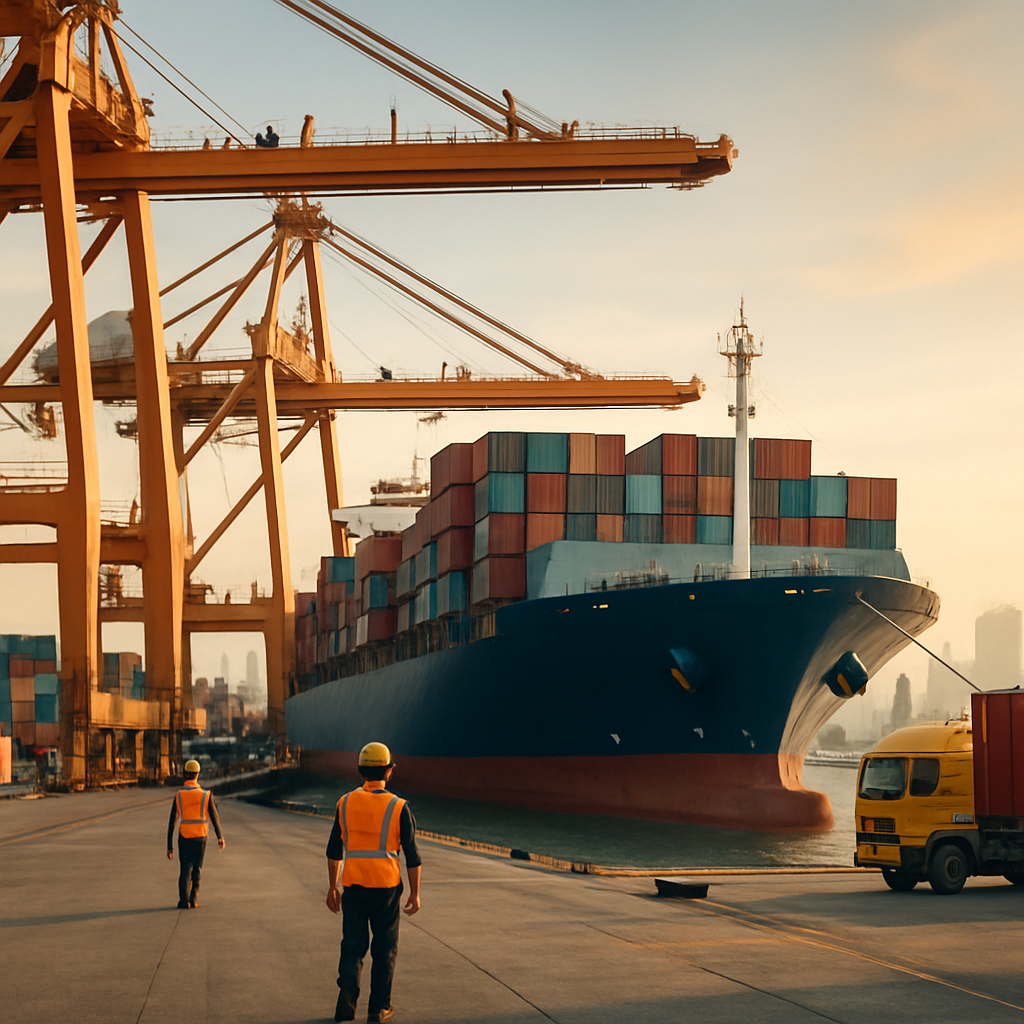
Container Shipping in the USA: Trends and Tips for 2026
Container shipping in the USA for 2026 is becoming more complex, but it doesn’t have to feel risky if you understand the trends and choose the right partner. With port congestion, changing regulations, and new sustainability targets, many shippers are rethinking their approach to USA ocean freight planning. By focusing on transparent processes, data-driven decisions, and clear expectations, you can protect your timelines and budget while strengthening your supply chain resilience.
Reliable container shipping is no longer about finding the lowest rate; it’s about finding a partner you trust to keep your cargo moving, even when conditions change.
Key Trends Shaping Container Shipping in the USA
In 2026, shippers are seeing sharper swings in ocean shipping logistics, with spot rates and schedules shifting quickly across major U.S. gateways. Carriers are adjusting capacity, and some routes face periodic delays due to weather and labour disruptions. To stay ahead, importers and exporters are comparing container shipping options more carefully, balancing transit time, reliability, and cost. Leading providers use real-time container tracking tools and predictive data to flag risks early, helping you re-route cargo before delays impact inventory or customer service.
How Reliable Sea Freight in US Builds Confidence
Trust starts with clarity: you should know exactly how bookings, cut-offs, and handoffs will work before a shipment is confirmed. A dependable partner will explain the customs documentation process, terminal procedures, and handover points for trucking and warehousing in plain language. When your provider walks you through full container load choices and LCL ocean freight solutions, you gain visibility into transit times, consolidation practices, and potential bottlenecks. This level of transparency makes it easier to compare offers and choose the right balance of reliability and cost for each lane.
Risk Management, Compliance, and Sustainability Standards
A credible ocean freight partner reduces uncertainty by working from tested playbooks and compliance frameworks. They should provide an import customs paperwork checklist and export shipping documentation steps so your team understands what is required at each stage. Robust providers also design cost-effective sea freight routing scenarios and contingency gateways, so a port disruption does not stop your cargo. For sustainability reporting, many shippers rely on references like the International Maritime Organization’s greenhouse gas studies at https://www.imo.org/en/OurWork/Environment/Pages/Greenhouse-Gas-Studies-2014.aspx to benchmark emissions and support corporate ESG commitments.
As you evaluate international container shipping services for 2026, prioritize partners that share performance metrics, explain their escalation process, and encourage your questions. Ask how they coordinate with carriers and terminals, how often they review schedules, and what happens when exceptions occur. A team that openly discusses challenges, from documentation issues to equipment shortages, is more likely to protect your interests over the long term. When you are ready to review your Sea Freight in US strategy, reach out to discuss routes, volumes, and risk tolerance so you can move forward with confidence.

Related posts
Transshipment: The Movement Of Goods
Transshipment , the movement of goods from an importing ship or aircraft to anot

Supply Chain Storm Reaching Fever Pitch
The chief executive of consultancy Vespucci Maritime, says the supply chain stor
FBI Investigates Criminal Case in Baltimore Bridge Disaster
The investigation of the Baltimore bridge disaster may be turning into a crimina
