




Mastering Inventory Optimization for Enhanced Efficiency
Inventory Optimization as a Strategic Advantage for US Leaders
Inventory optimization is no longer a back-office routine; it is a board-level lever for resilience, profitability, and growth in an increasingly volatile US market.
In today’s environment of persistent disruption and heightened customer expectations, inventory optimization for US shippers has become a defining capability. Within the first 100 words, it is clear that this discipline is about more than reducing stock; it is about orchestrating capital, service, and risk in a way that supports strategic ambition. Organisations that elevate inventory decisions from operational afterthought to executive priority are better placed to protect margins and sustain service in unpredictable trading conditions.
Inventory Optimization in US Operations as a Competitive Differentiator
Forward-looking executives now treat inventory as a strategic asset, not a static cost centre. By connecting inventory targets with customer value, channel strategy, and Supply Chain Optimization in US initiatives, leaders unlock working capital while protecting fulfilment performance. This mindset shift demands more rigorous Inventory management techniques and closer collaboration between finance, sales, and operations. When those functions operate from a shared view of demand, risk, and service levels, organisations can challenge legacy rules of thumb and reset parameters with greater precision.
Analytics-Led Decision-Making and Cross-Functional Governance
Modern inventory optimisation depends on advanced inventory control strategies that leverage data-driven demand forecasting and scenario modelling. Companies applying sophisticated Demand forecasting methods and digital twins can test trade-offs before deploying capital, enabling more cost-focused logistics efficiency without compromising service. The differentiator, however, is governance: clear ownership of master data, disciplined review of parameters, and routine forecast accuracy improvement tactics. Research from the Council of Supply Chain Management Professionals highlights how analytics, combined with governance, delivers sustained gains in resilience and service.
As networks grow more complex, integrated inventory and demand planning becomes central to Logistics efficiency strategies and end-to-end logistics performance optimization. US-based businesses are redesigning safety stock policies around service-level targets, not arbitrary days of supply, and embedding warehouse efficiency best practices into broader operating models. For many, the next frontier is using advanced analytics to balance regional buffers with consolidated national hubs, enabling inventory optimization for US shippers that aligns cost, risk, and responsiveness across multiple channels and geographies.
To turn insight into action, leaders should benchmark current policies against strategic objectives, then define a roadmap that prioritises high-impact segments and SKUs. Reviewing planning processes, technology capability, and decision rights will highlight gaps in governance and execution. For external perspective on emerging practices, executives can draw on resources from CSCMP at https://www.cscmp.org/. Now is the time to reassess how your organisation funds, locates, and manages inventory—and to engage expert support to redesign your operating model and accelerate your inventory optimisation journey.

Related posts

A Shipper’s Guide to Rail Freight Logistics in the USA
Rail freight logistics in the United States is a crucial component of the nation
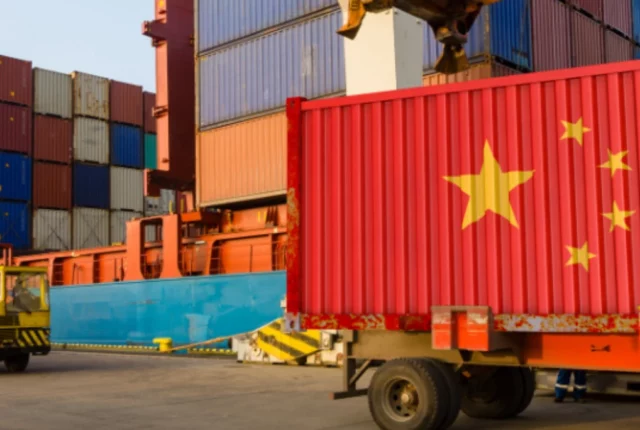
Chinese Imports Fell in Trump’s First Term—Now Again
As other Asian countries ramp up manufacturing, the U.S. snaps up fewer Chinese

Labor Shortages in U.S. Warehouses: How Automation Is Filling the Gap
The warehousing industry across the United States is confronting significant lab
