





Time-Critical Cargo Solutions: Navigating 2026 Challenges
Time-critical cargo solutions are becoming a board-level discussion as supply chains face rising volatility, compressed lead times, and escalating service expectations. In 2026, leaders can no longer treat premium-speed options as a last-minute fix; they are designing time-sensitive freight logistics as an integrated capability. Air freight in the US sits at the centre of this shift, underpinning how technology, healthcare, and retail brands protect revenue, market share, and reputation when days or even hours matter.
In 2026, time-critical cargo is not about moving everything faster; it is about moving the right things with precision speed, based on value, risk, and customer promise.
What distinguishes 2026 from earlier cycles is not just higher demand for urgent shipment logistics, but the strategic intent behind it. Executives are segmenting flows by margin, service-level commitments, and regulatory risk, then aligning premium transport selectively. That requires robust global expedited shipment planning capabilities, with air as the backbone and complementary multimodal options when minutes can give way to hours. The winners will be those that treat speed as a designed attribute, not an emergency purchase.
Time-Critical Cargo Solutions as a Strategic Asset
Time-critical cargo solutions are moving from niche service to core risk-management tool as global trade patterns become more erratic. Shifts in tariffs, regional conflicts, and nearshoring are redrawing lanes for time-critical international cargo, making agility just as important as raw speed. Boards now expect supply chain leaders to quantify where delays actually destroy value and to justify premium spend through clear business cases. That’s changing how teams think about International cargo shipping, inventory positioning, and transport mode mix.
Re-Architecting Networks Around Precision Speed
Air freight in the US is being redesigned around two strategic extremes: high-touch, urgent air freight solutions and cost-efficient deferred options. The nuance lies in the middle, where air freight pricing factors, service reliability, and lane risk must be balanced against customer promises. Companies are building playbooks that specify when to use fast cross-border air shipping versus multimodal routings, based on part criticality, contractual penalties, and air cargo cost considerations. This codification turns ad hoc decisions into repeatable policy.
Achieving this precision requires stronger international urgent freight coordination across procurement, sales, and operations. Leading organisations use scenario modelling to test capacity assumptions, benchmark performance, and understand air freight rate optimization levers such as consolidation, service tiers, and lane diversification. Resources from IATA, including their detailed industry statistics and outlooks, provide a valuable foundation for these analyses and help validate planning assumptions: https://www.iata.org/en/publications/store/statistics-outlook/.
For senior leaders, the imperative is clear: review where current time-sensitive freight logistics fail, assess exposure in critical product lines, and reshape policies accordingly. Start by mapping end-to-end lead times for high-value flows, then define tiered service strategies that balance speed, risk, and cost. To deepen your approach to time-critical cargo solutions and stress-test your existing playbooks, convene a cross-functional taskforce and engage your logistics partners to co-design a roadmap that is resilient, data-driven, and ready for the next shock.

Related posts
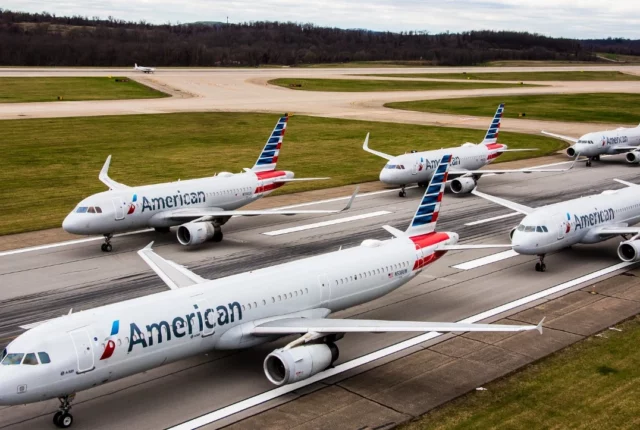
How Rising Aviation Fuel Prices Are Affecting Air Freight Costs Across the United States
When aviation fuel prices rise, the effects go far beyond airports and airlines.
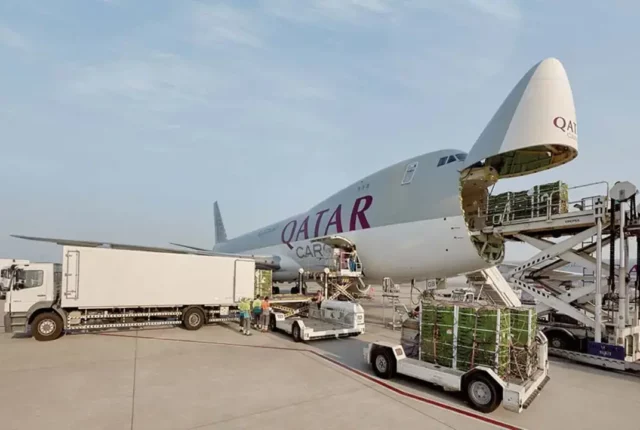
Perishable Cargo? No Problem! Air Freight’s Role in Fresh Logistics
In the fast-paced world of global trade, the transportation of perishable goods
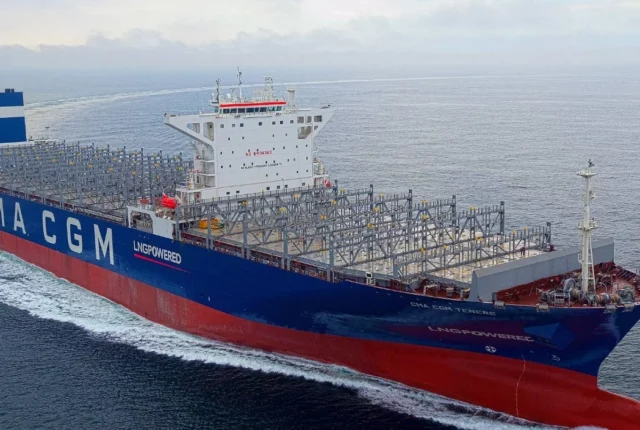
French shipping magnate Saadé pledges $20bn US expansion in Trump nod
French shipping magnate Rodolphe Saadé met President Trump at the White House o
