




Heavy Lift Cargo Transport: Best Practices for Success
Heavy Lift Cargo Transport: Best Practices for Success
Understanding heavy lift cargo transport challenges
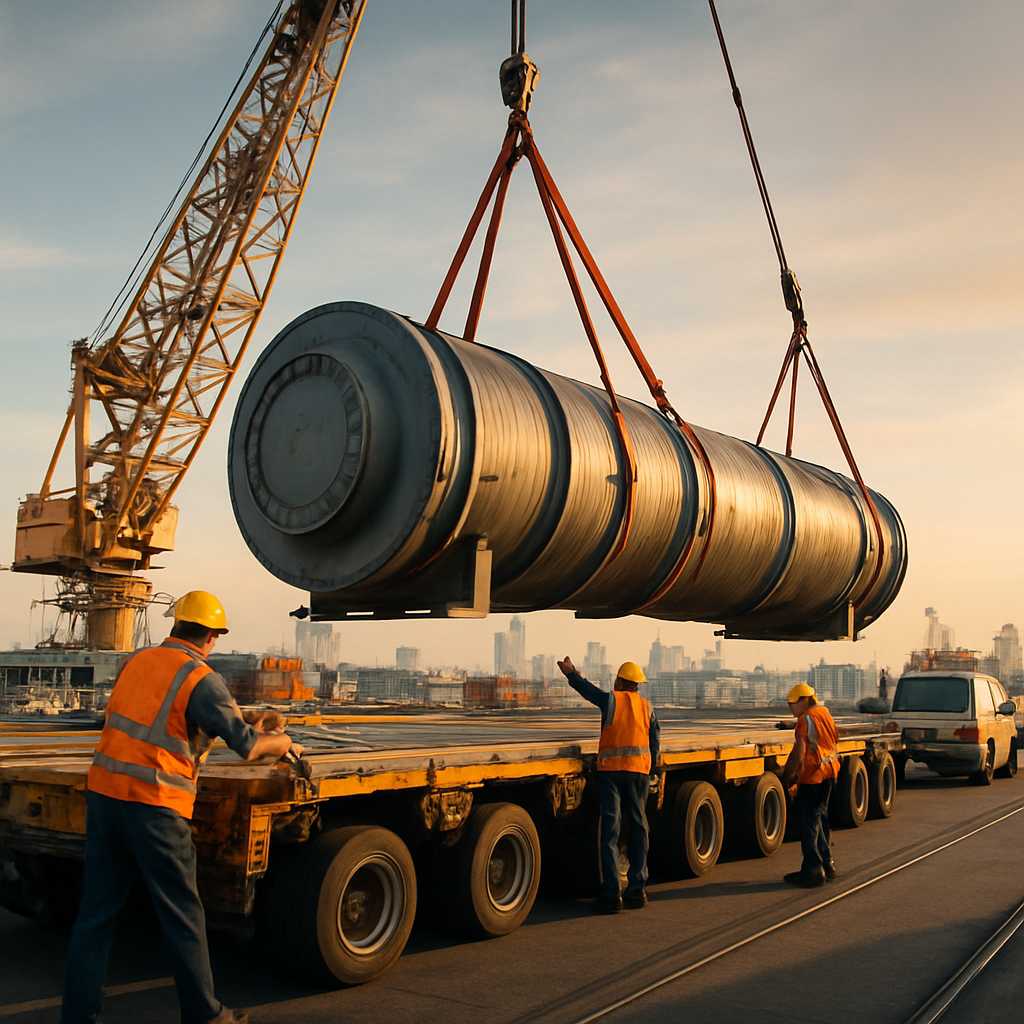
Heavy lift cargo transport demands more than standard trucking; it requires technical planning, specialist equipment, and disciplined execution. In the US, infrastructure constraints, permitting rules, and tight project schedules all increase operational risk. Companies moving turbines, reactors, mining equipment, or modular plant units must coordinate engineering, permits, and site access while keeping costs and timelines under control. Choosing the right heavy lift transportation solutions starts with understanding the constraints on route, weight, dimensions, and handling. From there, shippers can compare providers, methods, and technology to reduce exposure to delays, damage, and compliance breaches.
Planning, risk assessment, and solution options
Successful operations begin with detailed route surveys, structural assessments of bridges and roads, and early engagement with authorities for permits and escorts. Complex project logistics planning typically combines road, rail, barge, and sometimes coastal shipping to bypass bottlenecks or low-clearance infrastructure. Experienced project cargo forwarding experts can model multiple route and mode scenarios, weighing transit time, seasonal weather patterns, and community impacts. For critical paths, digital simulations and contingency plans—such as alternative laydown areas or backup lifting gear—help protect budgets and timelines. This level of planning is particularly vital where industrial project freight forwarding supports large construction or energy developments.
Equipment, execution methods, and coordination
Specialised cranes, self-propelled modular transporters, heavy-duty trailers, and custom lifting frames all play a role in oversized freight management. The right combination depends on load geometry, centre of gravity, and site conditions, as well as available access roads and turning radii. Providers offering end-to-end logistics solutions can integrate engineering, lifting, transport, and site installation into a single coordinated plan. On-site, strict loading and securing procedures, backed by engineering drawings and sign-offs, reduce the risk of cargo shift or structural stress. For shippers comparing transportation solutions, it is critical to ask how providers manage equipment maintenance, redundancy, and on-the-ground supervision.
Safety, compliance, and environmental considerations
Heavy lift cargo transport is governed by a web of local, state, and federal regulations, from axle loads to escort vehicles and curfews. Strong safety cultures rely on risk assessments, toolbox talks, and clearly defined stop-work authority for all personnel. Companies with mature supply chain management practices will also evaluate environmental impacts, including noise, emissions, and community disruption. Reference material from the U.S. Department of Transportation on freight and infrastructure guidelines can help stakeholders understand regulatory expectations and best practice frameworks. In parallel, project logistics supply chains are increasingly adopting low-emission vehicles, optimized routing, and consolidated moves to minimize carbon footprints.
- Compare providers’ track records in breakbulk project cargo services and similar asset classes.
- Request engineering drawings, method statements, and risk assessments for all critical lifts.
- Check how freight forwarding services integrate with your construction or shutdown schedule.
- Verify insurance coverage, incident reporting processes, and claims handling capabilities.
- Ask how teams coordinate Project Logistics in US with local authorities and community stakeholders.
As projects grow in scale and complexity, many shippers turn to specialists in heavy lift transportation solutions to reduce uncertainty and protect critical-path timelines. Partners offering breakbulk, out-of-gauge, and multimodal options can tailor routes and modes to your budget and risk appetite. For capital-intensive builds, combining industrial project freight forwarding with strong site interfaces helps avoid costly crane standbys or construction delays. When evaluating candidates, consider their experience in breakbulk project cargo services, digital tracking, and 24/7 control towers. To move forward with confidence, compare your options, request detailed scenarios, and speak with experts who can align technical execution with your broader project goals.

Related posts
Europe’s Ports Manage Congestion Amid Delayed Vessel Arrivals
North Europe’s container hub ports are coping with the arrival of delayed
Why More US Shippers Choose Intermodal to Offset Ocean Freight Delays
Over the past several years, ocean freight has faced severe disruptions due to a
Navigating Tariffs and Compliance: What U.S. Importers and Exporters Need to Know
As the U.S. trade landscape continues to shift, importers and shippers are seeki
