




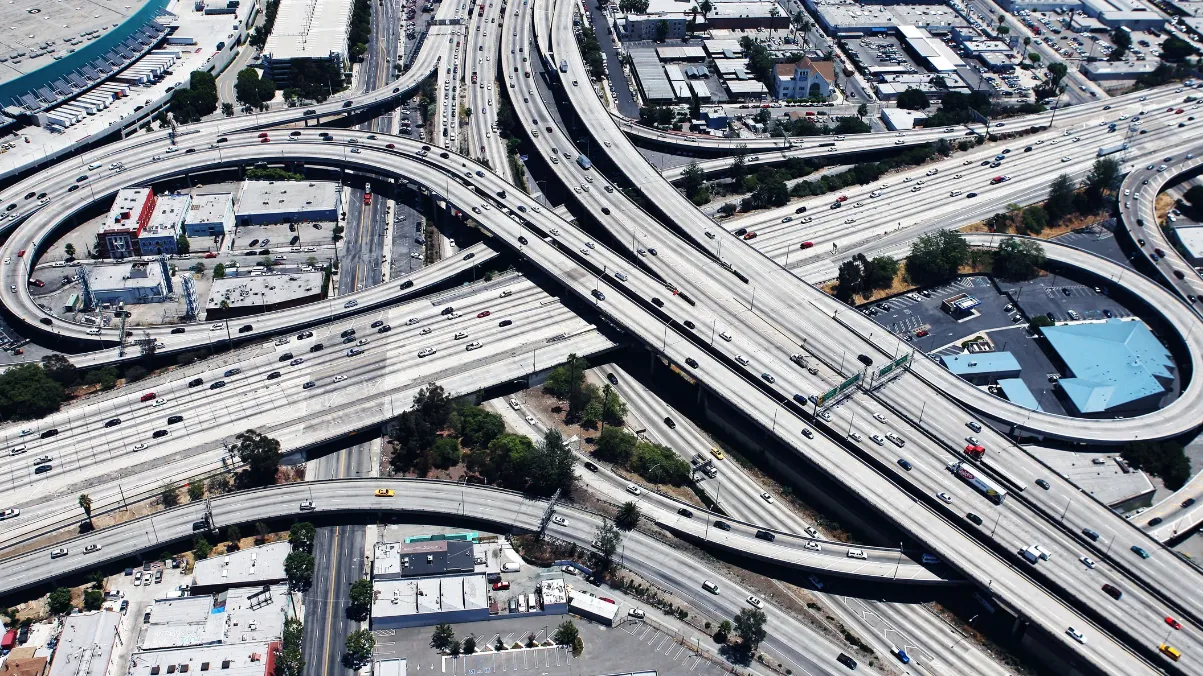
How the U.S. Infrastructure Law Is Reshaping Road Freight Networks Nationwide
If your business relies on trucks to move goods across the country, the U.S. Infrastructure Investment and Jobs Act (IIJA) represents one of the most significant developments you’ll encounter this decade. This sweeping legislation delivers unprecedented funding for highways, bridges, ports, rail connectivity, and freight corridors—creating ripple effects throughout the American logistics ecosystem.
For businesses dependent on road freight, these upgrades promise more than repaved roads. They signal fundamental shifts in operating costs, delivery reliability, capacity availability, and access to multimodal logistics. Yet the transition won’t be seamless. As infrastructure projects ramp up, truck capacity may tighten, freight demand may spike, and short-term disruptions could affect transportation planning.
What the U.S. Infrastructure Law Means for Road Freight
A Historic Investment in Transportation
The IIJA represents the largest federal infrastructure investment in generations, directing hundreds of billions into U.S. transportation networks. Aging highways, structurally deficient bridges, and freight bottlenecks are being repaired, upgraded, or replaced. For freight-dependent industries, this addresses long-standing pain points—unreliable transit times, unpredictable detours, and high fleet maintenance costs.
Key Freight-Focused Allocations
Significant portions of the funding target freight-critical areas—highways, bridge restoration, freight corridors, multimodal cargo hubs, and last-mile infrastructure. Beyond improving road surfaces, these investments are designed to optimize the entire freight journey from source to destination.
How Roadway Modernization Translates into Freight Efficiency
Reduced Delays and Improved Route Reliability
Better roads mean fewer detours, less congestion, fewer accident-prone intersections, and more consistent delivery times. For road shippers, this stability enables tighter inventory cycles, leaner stockholding, and predictable supply-chain commitments—critical advantages in competitive markets.
Lower Vehicle Wear and Transportation Costs
Rough roads accelerate tire wear, suspension damage, and fuel consumption. Modernized infrastructure reduces these issues, lowering operational expenses for carriers. Over time, these savings can influence freight pricing and reduce damage claims—especially for high-value or fragile goods.
Enhanced Freight and Driver Safety
Upgraded designs, better roadway engineering, improved signage, and safer bridge standards reduce accident risks. This not only protects drivers but also reduces insurance liability and freight disruptions—often overlooked yet financially impactful benefits.
Multimodal Upgrades — Beyond Just Roads
Ports, Waterways, and Inland Hubs
The law allocates major investments to ports and inland waterways, enabling more efficient integration with trucking. By reducing congestion at key distribution gateways, freight can move seamlessly from ship to truck or rail, minimizing delays and expanding capacity options.
Rail-Road Interconnectivity Gains
Enhanced intermodal connections mean businesses can blend rail for long-haul transport with trucking for first-mile and last-mile delivery. When executed strategically, these hybrid models reduce fuel usage, improve transit times, and strengthen supply-chain resilience.
First-Mile and Last-Mile Improvements
Upgrades to access roads, loading zones, and logistics corridors help carriers maintain punctual schedules and reduce dwell time. This directly improves warehouse operations and retail distribution flow.
Strategic Freight Planning: The National Freight Vision
The Infrastructure Law strengthens existing national freight frameworks aimed at modernizing U.S. logistics. Freight corridors are prioritized for upgrades, bottlenecks are being mapped and eliminated, and incentives support data-driven freight technologies—from route optimization to real-time carrier tracking.
Businesses that align their logistics and site selection with designated freight corridors may enjoy future advantages such as better access, lower costs, or proximity to emerging distribution hubs.
What This Means for Businesses That Rely on Road Freight
Faster, More Reliable Deliveries
When roads improve, freight predictability increases. This directly affects customer satisfaction, lead times, and the efficiency of regional and national distribution networks.
Potential Transportation and Inventory Cost Reductions
Improved road conditions and upgraded logistics corridors reduce freight damage, cut down idling fuel use, and streamline fulfillment. Over time, these efficiencies may translate into cost savings.
Future Constraints and Capacity Competition
A critical caveat: infrastructure work itself demands trucks. Carriers may dedicate fleets to transport construction materials, reducing availability for traditional shippers. Businesses that lock in long-term agreements early will avoid future competition and pricing volatility.
Challenges and Caveats
Long Timelines Before Full Benefits Arrive
Infrastructure improvements roll out over multiple years, meaning some businesses will face temporary disruptions before seeing measurable payoff.
Capacity Diversion and Higher Demand
Hauling steel, concrete, and other project materials requires specialized trailers. This may temporarily strain equipment availability, especially for oversized freight.
Regulatory and Environmental Delays
Permitting, environmental reviews, and state-level approvals can delay critical projects, slowing freight advantages in some regions.
Conclusion
The U.S. Infrastructure Law represents a once-in-a-generation transformation for the freight ecosystem. For businesses that depend on trucking and road-based logistics, this is both a catalyst and a crossroads. The opportunities—lower operating costs, improved transit reliability, stronger multimodal access—are substantial. But those benefits will favor businesses that prepare early, secure freight capacity ahead of demand, and integrate new logistics channels as infrastructure comes online.
In the next few years, the companies that thrive will be those that treat infrastructure not as a government project, but as a strategic supply-chain advantage. The road ahead is changing—now is the time to position yourself in the fast lane.
FAQs
- How soon will businesses experience improvements?
Minor benefits may appear within one to two years, while major corridor-level advantages will unfold over several years. - Will freight rates decrease?
Improved roads may reduce operating costs, but capacity competition may temporarily keep rates volatile. - Should businesses consider intermodal freight now?
Yes. Expanded rail, port, and inland hubs make intermodal strategies increasinglyviable for long-haul shipments.

Related posts
Gulf Energy Crisis Worse Than 1970s Oil Shocks, Says IEA
Benchmark Brent and WTI oil futures eased on Monday in response to the White Hou

Choosing the Right Warehousing Solution: How to minimize your risks to ensure competitive advantage
Choosing the right warehouse solution for a logistics company is a critical deci
Intra-Asia Services Struggle as Smaller Ships Diverted to Long-Hauls
The cascading of smaller box ships to more-lucrative long-haul lanes has created
