




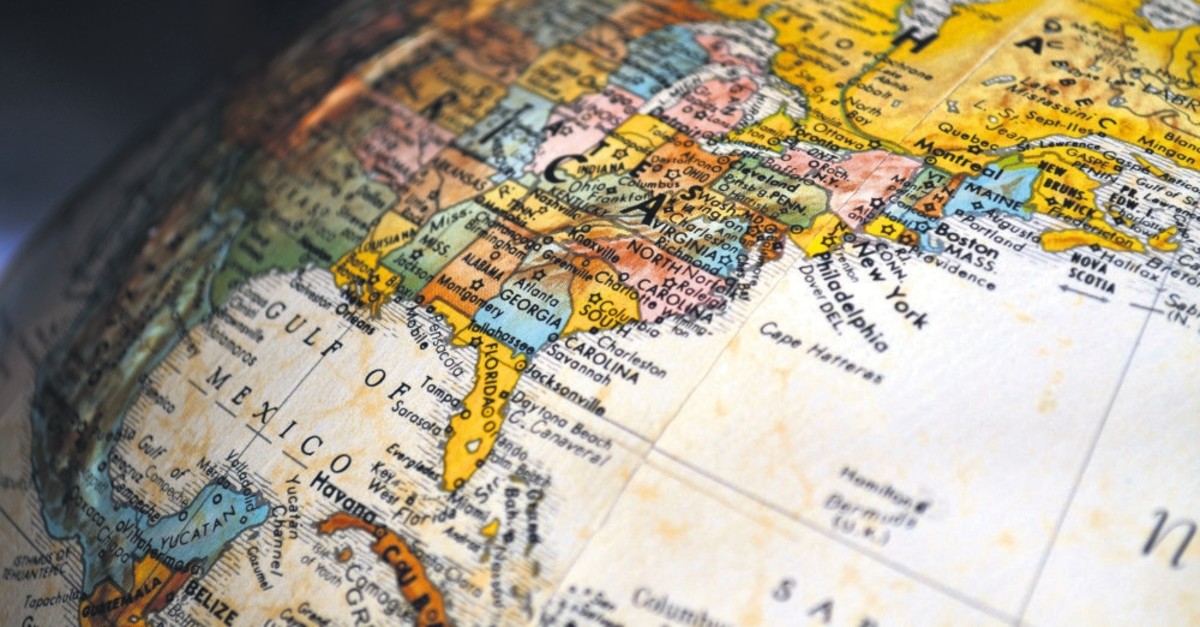
Turbulence Ahead? How Geopolitical Tensions Are Affecting U.S. Air Cargo Routes
Global air freight is entering a period of unprecedented turbulence, and this time, the weather isn’t to blame. Political tensions, trade disputes, sanctions, and shifting alliances are reshaping how goods move through the sky—and the businesses that depend on air cargo are feeling the impact. For U.S. importers, exporters, and logistics-dependent brands, reliable corridors have become less predictable, costs are rising, and planning has never been more complex.
If your business relies on fast, global delivery, understanding this new geopolitical air-freight reality isn’t optional—it’s essential.
Global Geopolitics Meets Air Cargo: The New Normal
Business owners used to treat air routes like constants—unchanged lifelines between continents. That era is over. Geopolitical tensions have turned airspace into a strategic asset, and every diplomatic move can reshape how cargo flies. Airlines and freight carriers are now forced to track political developments as closely as weather reports, adjusting routes, schedules, and pricing based on shifting risks.
Why does this matter? Because the air cargo system that once guaranteed speed and reliability now demands agility and foresight. Air freight has shifted from a straightforward logistics mode into a politically influenced environment, where delays, new restrictions, and sudden cost increases can become business-breaking surprises.
Major Drivers of Disruption in U.S. Air Cargo Routes
Tariffs and Trade Policy
Recent tariff changes and the removal of duty-free exemptions have cooled demand along key Asia–U.S. lanes, particularly for low-value e-commerce imports. These policies increased landed costs, forcing shippers to reconsider air freight as the default choice. Businesses that previously relied on rapid replenishment cycles now face higher fees, leading to stalled shipments, route adjustments, and wider supply-chain recalculations.
Sanctions, Airspace Closures, and Conflicts
When tensions escalate, countries close airspace, impose sanctions, or deny overflight permissions. These moves can instantly lengthen flight paths and eliminate direct routes. Airlines flying around restricted zones burn more fuel, incur higher costs, and pass those expenses on to shippers. The result: higher freight rates and unpredictable delivery times.
Fuel Price Volatility and Currency Fluctuations
Oil remains one of the most geopolitically sensitive commodities. Fuel spikes, often triggered by conflict or policy decisions—directly inflate air cargo rates. Add fluctuating currency values, and the same shipment can cost dramatically more from one month to the next. Businesses accustomed to predictable landed costs now face financial uncertainty.
Reduction in Belly Cargo Capacity
Passenger flights once carried significant amounts of commercial cargo in their lower holds. But reduced passenger schedules and route realignments have restricted this space. With fewer belly-hold options, businesses must turn to dedicated freighters or charters—more reliable, yes, but also more expensive.
Shifting Air Cargo Flows: What’s Changing
Decline of the Asia–U.S. Corridor
For years, the trans-Pacific lane fueled the explosive growth of air freight. Now it’s slowing. Higher tariffs, reduced exemptions, and strained U.S.–China relations are shrinking volumes. Businesses shipping from Asia face longer lead times, fewer options, and elevated spot rates—significant pain points in industries built on speed.
Rise of Alternate Corridors
As traditional routes lose viability, new lanes are gaining prominence. Connections through Europe, the Middle East, Latin America, and emerging Southeast Asian hubs are expanding to absorb displaced volumes. These lanes may cost more or take longer, but they offer a lifeline for companies unwilling to rely on politically volatile routes.
Growing Importance of Dedicated Freighters
With belly-cargo availability reduced, charters and dedicated freighters provide needed reliability. Businesses moving high-value or urgent goods increasingly depend on them—but must absorb higher costs and more complex planning requirements.
Cost & Capacity Challenges for Businesses
Businesses now face a triple threat: shrinking capacity, volatile rates, and unreliable timelines. Freight surcharges, detours, and fuel fees destabilize margins. Once-standard delivery windows are no longer guaranteed, forcing companies to carry more inventory—a costly shift for firms accustomed to just-in-time logistics.
Longer transit times mean supply-chain decisions can’t be based solely on price. Reliability, political stability, and risk exposure now play equal roles when choosing lanes and partners.
How Freight Forwarders and Carriers Are Adapting
The smartest logistics players aren’t waiting for conditions to normalize. They’re building dynamic routing models, monitoring geopolitical developments in real time, and providing unprecedented transparency to shippers. Technologies that predict disruptions or recommend alternative air corridors are quickly becoming industry staples.
Supply-chain strategies are changing too. Near-shoring, friend-shoring, and diversified supplier networks reduce exposure to politically unstable lanes. Inventory buffering, once dismissed as inefficient, is now a strategic hedge.
What This Means for Business Owners
If your business depends on air freight, you need a proactive playbook:
- Diversify suppliers and regions
- Add buffer inventory for critical SKUs
- Analyze total landed cost—not just freight rates
- Avoid fixed assumptions about transit time
- Build flexible contracts with logistics providers
Air cargo is no longer a premium shortcut—it’s a variable with geopolitical consequences.
Strategic Opportunities Emerging from the Chaos
Disruption always creates winners. Companies that can deliver under uncertainty gain trust, pricing power, and competitive advantage. New corridors open access to untapped markets. As fewer players take the risk, those who build resilient networks can dominate high-value, time-sensitive categories.
Long-Term Outlook: Is This the New Normal?
Yes—and the shift is structural. Globalized trade has evolved into geopolitically segmented commerce. Technology, risk management, and diversification will shape logistics decisions more than cost alone. Environmental pressure will further influence choices, challenging air freight to justify its carbon footprint and cost premium.
The question isn’t whether the old system will return—it’s which businesses will adapt quickly enough to thrive in the next one.
Conclusion
Air freight’s future won’t be defined by demand alone, but by geopolitics. Trade policy, airspace restrictions, and global power shifts now dictate speed, access, and cost. For business owners, success lies in acknowledging this new reality—one where agility, diversification, and contingency planning determine resilience.
Treat this moment as a pivot point. Evaluate your routes, strengthen supplier ecosystems, and embrace flexibility. The businesses that understand the geopolitical sky will control their destiny, while those who ignore it may discover turbulence without warning.
FAQs
Why are freight rates rising?
Fuel costs, route detours, and shrinking capacity increase operating expenses, pushing rates higher.
How do tariffs affect air freight?
Tariffs add to the landed cost of imports, making certain air shipments uneconomical and reducing demand.
Why are traditional Asia–U.S. air lanes declining?
Policy changes, tariffs, and deteriorating bilateral relations are reducing cargo flow and capacity.

Related posts

Unaccompanied Baggage Shipping and The Football World Cup
The World Cup has been played on the continents of Europe, South America, North

Air Freight Safety: Mitigating Risks in Transportation
Air freight plays a crucial role in global trade and logistics, providing swift
How E-commerce is Driving Growth in US Air Freight
In the last decade, e-commerce has gone from a growing trend to an unstoppable f
